How people with astigmatism see light


How does astigmatism affect lights?
People with astigmatism may find themselves squinting to focus or reduce the glare they perceive from light sources, especially at night. While this might seem normal to those who have had astigmatism from an early age, others who have developed it more recently may wonder why lights look this way.
A person with normal vision typically sees clearer edges around lights. But for people with astigmatism, lights may appear:
- Streaky
- Fuzzy
- Surrounded by halos
- Starburst-like
- Doubled
- Blurred
- Distorted
While these symptoms are commonly associated with uncorrected or undercorrected astigmatism, they can also be caused by other eye conditions. If you experience these visual effects, visit your eye doctor to determine the exact cause and whether treatment is needed.
Understanding astigmatism
Astigmatism is a refractive error that occurs when the cornea (the clear, dome-shaped structure at the front of the eye) or crystalline lens (the disc-shaped structure behind the pupil) has an irregular curvature. This affects refraction (how light bends as it enters the eye) and prevents light from focusing properly on the retina (the light-sensing membrane at the back of the eye).
In an eye with normal vision, the cornea and lens are smoothly and evenly curved, like the surface of a basketball. This allows light entering the eye to focus to a single point on the retina, producing a clear image. With astigmatism, the cornea or lens is curved unevenly — shaped more like an American football, with a steeper curve in one direction than the other. Instead of converging to a single point, light focuses at more than one point on or near the retina, which causes blurry or distorted vision at all distances.
Astigmatism is relatively common, affecting approximately one in three people in the United States. It can often be managed through corrective treatments, such as glasses and contact lenses. It’s also common to have astigmatism along with other refractive errors, including:
- Myopia (nearsightedness)
- Hyperopia (farsightedness)
- Presbyopia (age-related changes in the eye that cause blurry near vision)
Night driving with astigmatism
Astigmatism can affect the ability to see clearly in dim conditions. Because light scatters across multiple points on the retina, light sources, such as the following, often appear fuzzy or surrounded by halos, starbursts or glare:
- Traffic lights
- Street lights
- Oncoming headlights
- Brake lights
- Lights illuminating road signs
- Building lights
These effects can make it more difficult for those with astigmatism to drive at night.
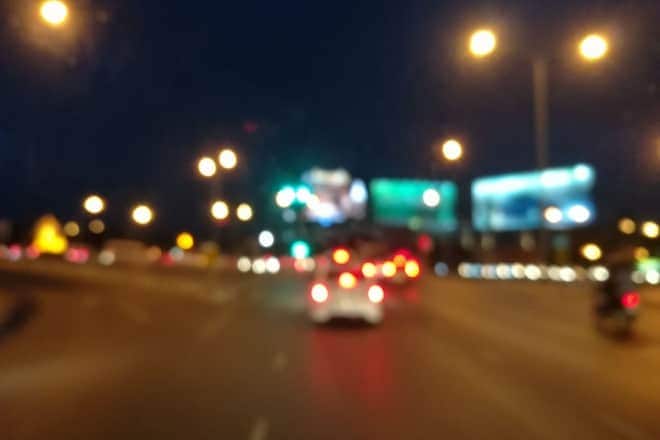
Why astigmatism lights are worse at night
The term “astigmatism lights” refers to how some people with uncorrected or undercorrected astigmatism may see light-producing objects at night. Most drivers rely on street and traffic lights to help illuminate the road after dark. But these lights can worsen visibility for drivers with astigmatism.
When driving at night, the pupils dilate to let more light inside the eye, which ideally allows you to see more detail in low-light conditions. However, this also means that more light enters through the irregular parts of the cornea and lens, increasing the scattering of light.
SEE RELATED: Why would someone’s vision only get blurry at night?
Tips for driving at night with astigmatism
Fortunately, there are ways to help minimize the effect astigmatism has on night driving. The following tips can be a good place to start:
- Get your vision checked. Your eye doctor can determine if astigmatism or another condition is causing your symptoms and ensure your vision prescription is up to date.
- Keep your headlights, windshields, windows and rearview mirror clean.
- Ensure your glasses are clean and smudge-free.
- Adjust your rearview mirror to the nighttime setting.
- Decrease the brightness of your car’s dashboard display.
- Use caution and practice safe driving.
- Avoid driving in bad weather.
Your eye doctor may provide additional tips for managing astigmatism and its effects.
How to reduce the effect of astigmatism on lights
The best way to manage the effect of astigmatism on lights at night or otherwise is to visit your eye doctor. They can assess your vision to determine if correction is needed and may prescribe one or more of the following:
Eyeglasses
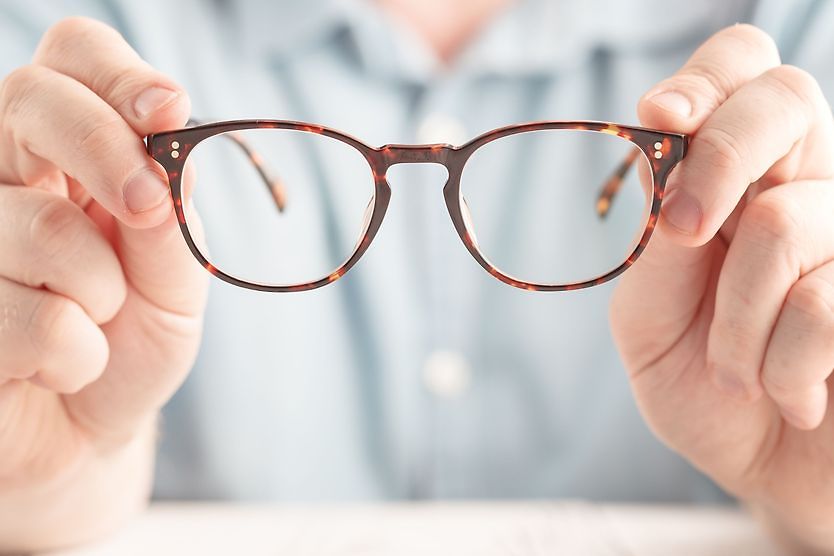
Eyeglass lenses for astigmatism contain a cylindrical component that helps light focus properly on the retina and sharpen your vision.
Adding an anti-reflective coating to your lenses can also help reduce glare and other visual effects around lights. If you already have an anti-reflective coating, your optician can check to make sure the coating hasn’t peeled or become defective in some way.
Contact lenses
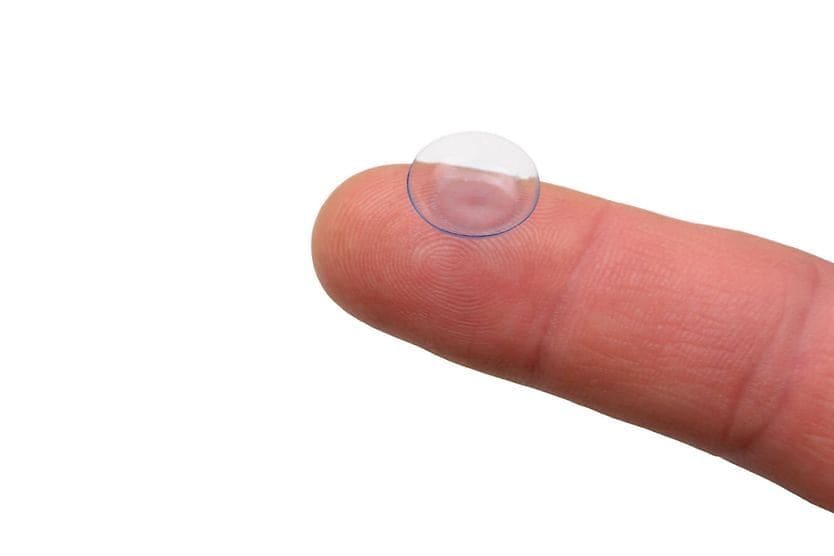
If you’d prefer not to wear glasses, contact lenses for astigmatism may be an option to consider. Soft spherical contacts are commonly used to correct mild astigmatism. Specialized lenses, such as soft toric contacts or gas permeable (GP) lenses, are often prescribed for moderate or severe astigmatism.
Orthokeratology
Also called “ortho-K,” orthokeratology involves wearing GP lenses overnight (they are removed upon waking). Ortho-K lenses gently reshape the cornea while you sleep, helping to temporarily improve your vision.
Corneal refractive surgery
Corneal refractive surgeries, such as LASIK (laser-assisted in-situ keratomileusis), can offer a more long-term solution to correcting low to medium levels of astigmatism. LASIK is a laser procedure that reshapes the cornea to help light focus properly on the retina. It’s important to note, however, that some people still see halos and other visual effects after having refractive surgery.
Other treatments
Your eye doctor may recommend treating other eye problems that may be contributing to the astigmatism, such as dry eye syndrome or corneal conditions.
When should you talk to an eye doctor?
Annual comprehensive eye exams are important for identifying vision- or eye-related conditions, including astigmatism. But if you notice vision changes in between those visits, such as blurry vision, light distortions or other issues, contact your doctor right away to schedule a visit. They can perform a comprehensive eye exam to see if astigmatism is affecting your eyesight.
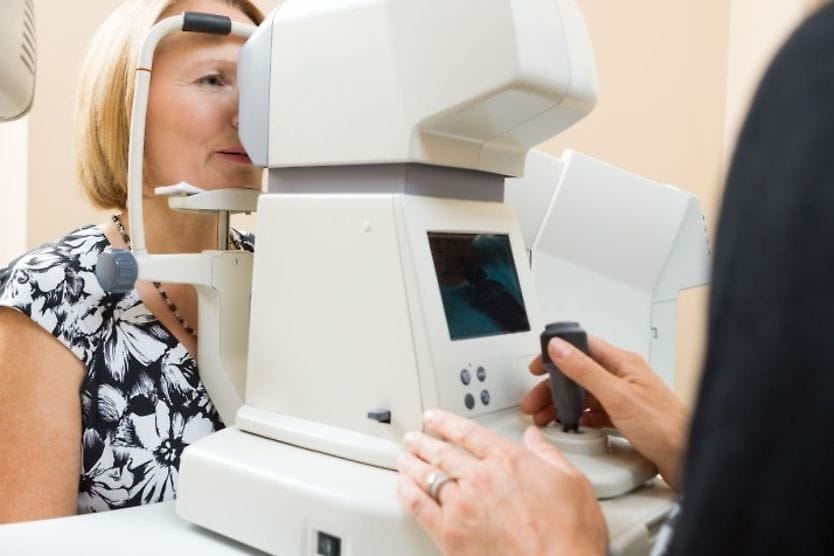
Eye doctors diagnose astigmatism through a series of tests, including a refraction. This assesses how light moves through your eye to focus on the retina, which helps determine if you have a refractive error and your prescription for vision correction (if needed).
Astigmatism and other vision conditions can interfere with your daily life. However, your eye doctor can provide a diagnosis and treatment options to help you see clearly.