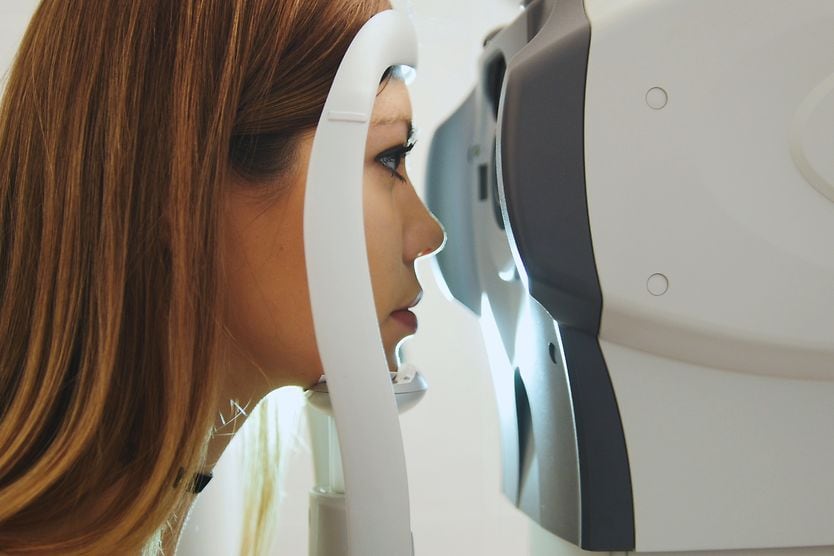
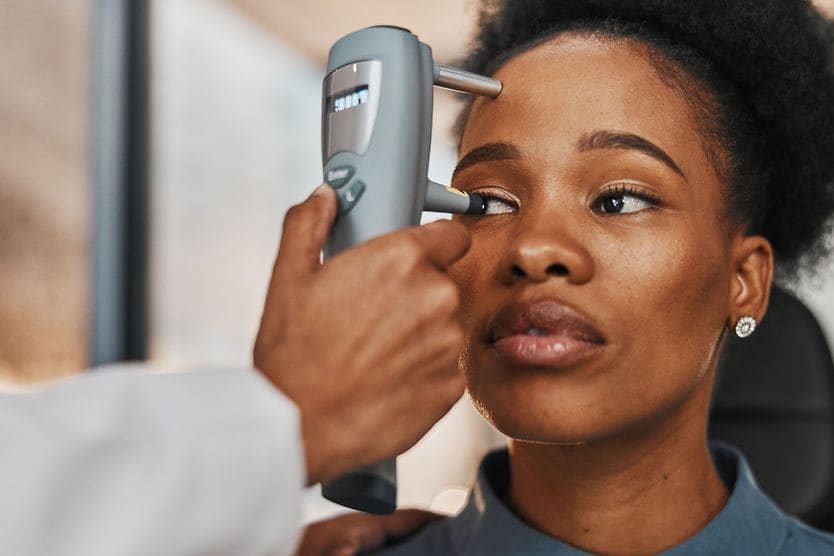
The dreaded air puff test: it won’t hurt, but you still don’t like it. Learn what it measures and why it’s important if you have a family history of glaucoma.
Discover how medical technology is advancing glaucoma diagnosis and management.
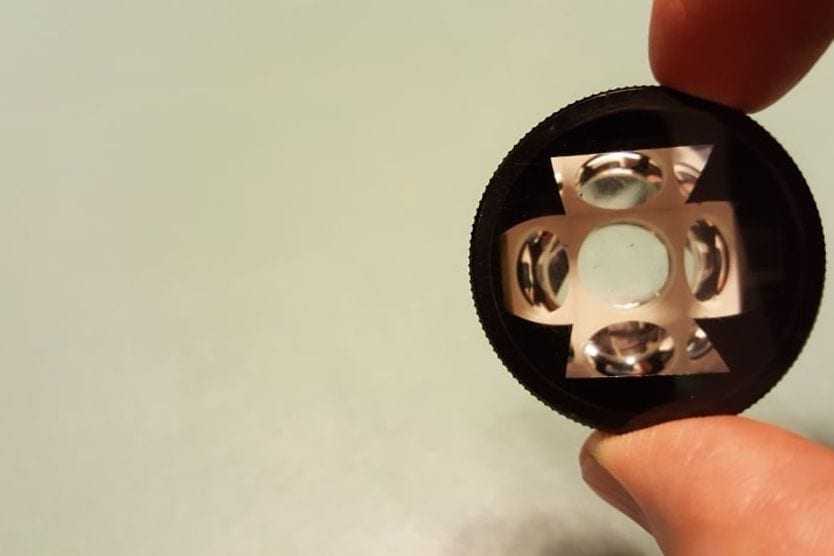
Gonioscopy is an important procedure that can help detect glaucoma and other serious eye conditions. Find out how it's done and what your results could mean.
Ocular hypertension (high eye pressure) significantly increases your glaucoma risk. Keep up with routine eye exams that include an eye pressure test.
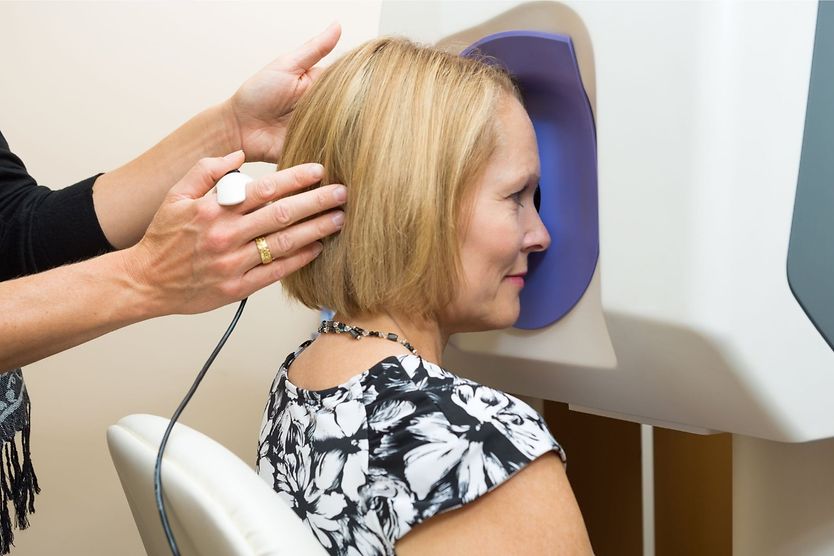
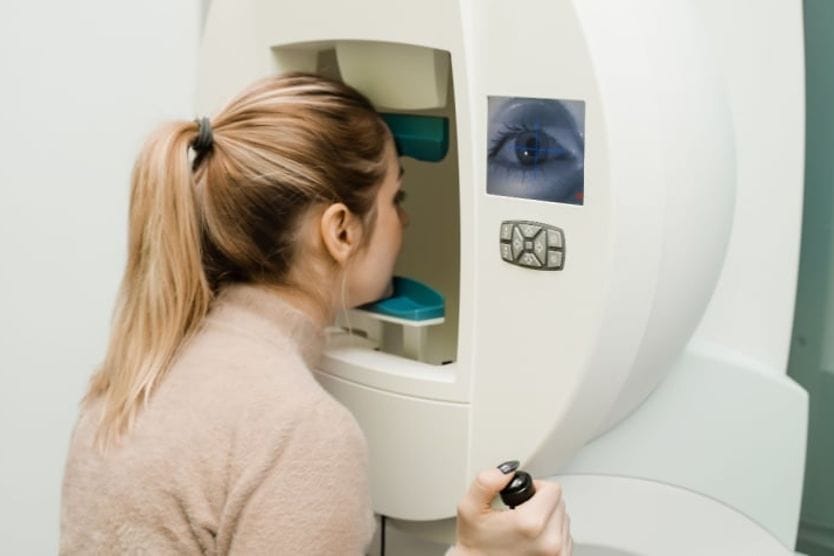
Visual field tests can detect central and peripheral vision problems caused by glaucoma, stroke and other eye or brain problems.
Peripheral vision is what allows you to see out of the corners of your eyes. Learn how it works, potential issues and answers to common questions.
The dilated portion of the eye exam lets your eye doctor get a better look at the retinas and optic nerves using magnifying lenses and special light sources.
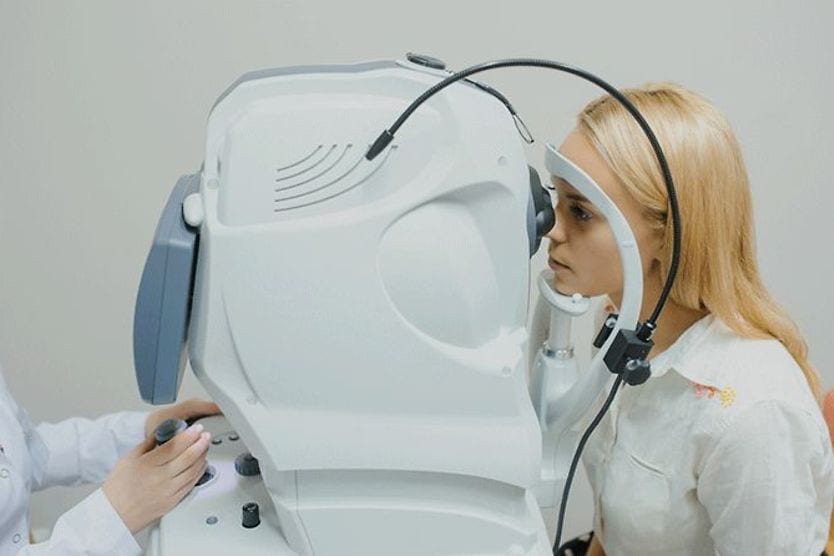
Optical coherence tomography (OCT) is a non-invasive imaging technique that provides detailed images and information about the retina.
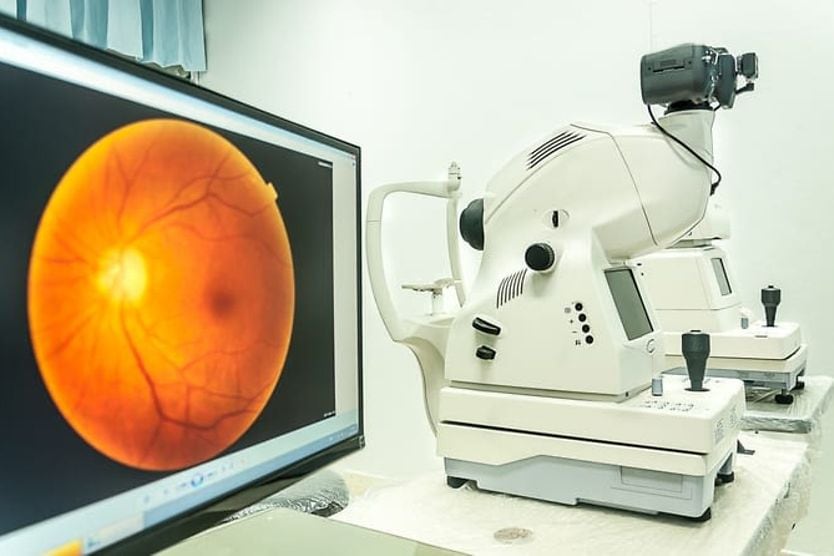
Ophthalmoscopy is a detailed examination of your retina and other structures in the back of your eye. It’s also called fundoscopy or a fundoscopic exam.