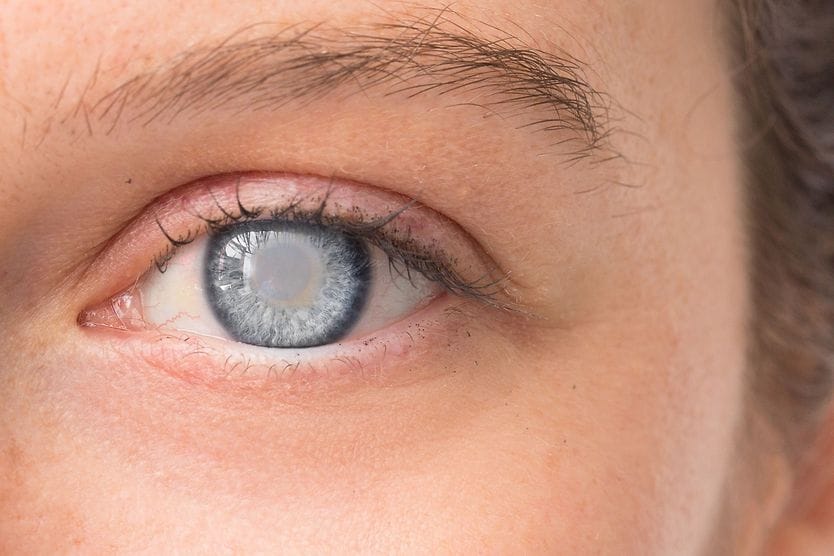
January is Glaucoma Awareness Month


What to know during Glaucoma Awareness Month
Glaucoma is a leading cause of blindness worldwide. It’s a disease that damages the optic nerve, the bundle of nerve fibers at the back of the eye that carries visual information from the eye to the brain. Glaucoma often has no early symptoms, so it is critical to get routine dilated eye exams.
While there is no single cause for glaucoma, elevated intraocular pressure (IOP) is one of its more widely known risk factors. If glaucoma goes undetected and untreated, it can lead to irreversible vision loss.
Why Glaucoma Awareness Month matters
More than 4 million Americans have glaucoma, and an expected 6.3 million will be affected by 2050. Globally, more than 80 million people have glaucoma, and it’s predicted that nearly 112 million will be affected by 2040.
The goals of Glaucoma Awareness Month are to:
- Educate people about the disease.
- Promote early detection through routine comprehensive eye exams.
- Prevent vision loss from glaucoma.
It’s estimated that more than 50% of people with glaucoma don’t even know they have it. It’s often referred to as “the sneak thief of sight” because there are typically no noticeable symptoms until after vision loss occurs. In fact, a person can lose up to 40% of their vision without realizing it. Unfortunately, once a person’s vision is lost to glaucoma, it usually can’t be restored.
SEE RELATED: How often should you get your eyes checked?
History of glaucoma
Glaucoma was first identified by the ancient Greeks and mentioned in writings dating as far back as 400 B.C. It was described by Hippocrates as glaykoseis, a blinding condition that more commonly affected the elderly.
It was around 2,000 years later, in 1622, that British surgeon Richard Bannister first noted the association between glaucoma and elevated eye pressure.
Who is at risk for developing glaucoma?
While glaucoma can affect anyone, some people may be at greater risk of developing the disease. People at higher risk can include those who:
- Have high eye pressure (IOP)
- Are over age 40
- Have a family history of glaucoma
- Have African, Hispanic, Northern European or Asian ancestry
- Have had an eye injury or eye trauma
- Use steroids and/or other medications on a long-term basis
- Have myopia (nearsightedness) or hyperopia (farsightedness)
- Have certain health conditions, including diabetes and hypertension (high blood pressure)
- Have a thin cornea and/or other eye issues
Your eye doctor will likely take all of these risk factors into consideration when detecting and diagnosing glaucoma.
Children and glaucoma
Glaucoma mainly impacts adults, but it can also occur in children in rare cases. As in adult cases, pediatric or developmental glaucoma is also often associated with elevated IOP. It’s estimated that around one in 44,000 Americans under the age of 20 have glaucoma. Globally, more than 300,000 children experience glaucoma.
Causes and risk factors for childhood glaucoma include (but are not limited to):
- Genetic predisposition, as may be the case with primary congenital glaucoma
- Pediatric cataract surgery
- Eye abnormalities such as Axenfeld-Rieger syndrome or aniridia
- Ocular inflammation or trauma
- Systemic conditions such as Sturge-Weber syndrome
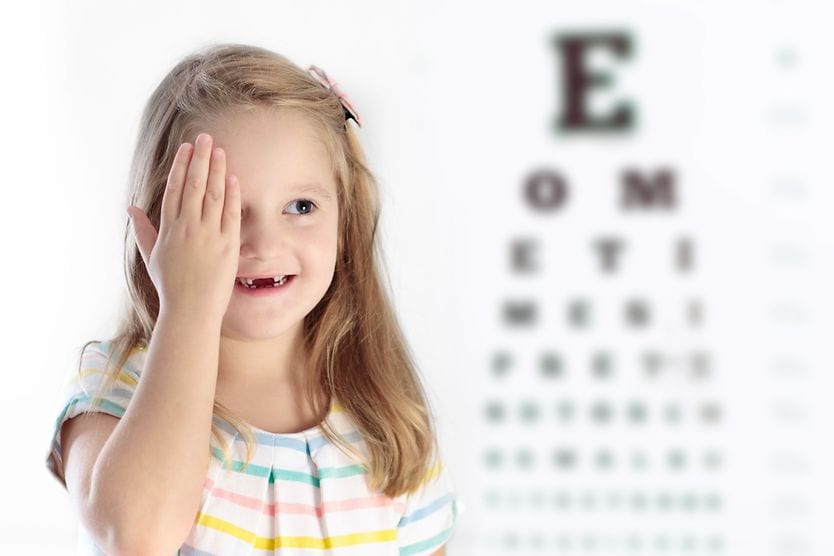
Most people (including children and their caregivers) do not notice symptoms of glaucoma until ocular damage has already occurred. This is why regular comprehensive eye exams are so critical, even for babies and young children.
SEE RELATED: Eye exams for children: Why they're important
How glaucoma is treated
Currently, there is no cure for glaucoma. But if it’s detected early enough, glaucoma treatment may be able to lower a patient’s eye pressure and maintain it at a healthier level. The goal is to manage the condition, stop its progression and help prevent future vision loss.
Glaucoma treatment typically consists of one or more of the following options:
- Prescription eye drops (the most common treatment)
- Prescription oral medications
- Laser treatments
- Surgery (micro-invasive and advanced)
When an eye doctor recommends a treatment plan, they’ve usually taken into consideration the type of glaucoma being treated and the stage of the disease. They typically monitor their patient’s progress and response to treatment and make adjustments to the plan as needed.
Advancements in glaucoma treatment
Researchers continue to look for new and potentially more effective ways to treat glaucoma. In recent years, advancements have been made in surgical techniques, treatment technologies and medication offerings.
What you can do to raise awareness
Even when it’s not Glaucoma Awareness Month, there are plenty of things you can do to help raise awareness. Here are a few ways to get started:
- Educate others – If you have glaucoma, share your story. Use your experience to help people understand more about the disease and how it has affected you.
- Promote annual eye exams – Encourage your family and friends to schedule their next eye exam. Talk to them about all the things your eyes can reveal about your health.
- Maintain your eye health – After your exam, follow your eye doctor’s recommendations to help protect your vision and preserve your eye health.
Early detection of glaucoma is key. If it’s been a while since your last eye exam, or if you’ve noticed any changes to your vision, schedule your next eye exam today.
The importance of routine eye exams
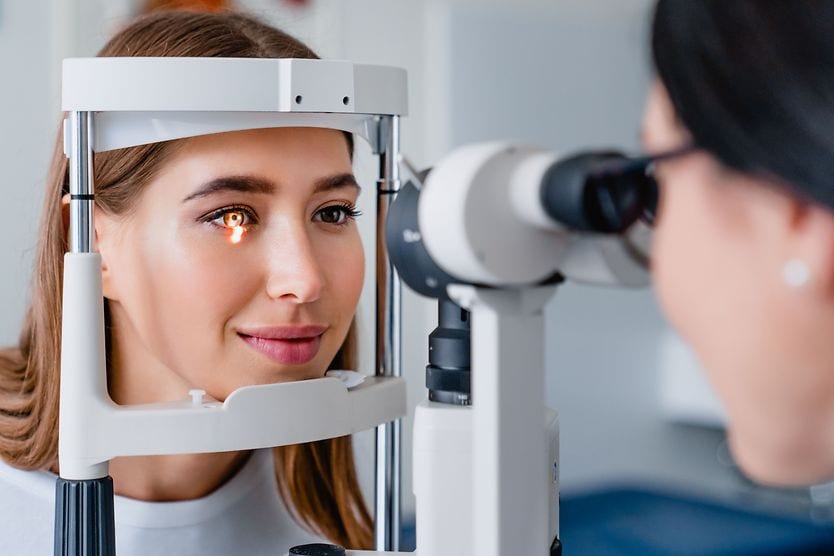
The optimal way to detect glaucoma early and help avoid preventable vision loss is with annual comprehensive eye exams. Like wellness and dental checks, eye exams should be part of your annual health care routine.
If you’re at higher risk of developing glaucoma, your eye doctor may recommend that you undergo further testing, such as optic nerve imaging, a peripheral vision test or a closer inspection of how your eye drains fluid. This testing can allow them to assess the health of the optic nerve and other structures inside your eyes in more detail.
A glaucoma diagnosis can be scary, but it doesn’t have to mean you will lose your vision. By adhering to your treatment plan and seeing your eye doctor for regular follow-up visits, you can help protect and maintain your vision.
Meredith Marmurek also contributed to this article.