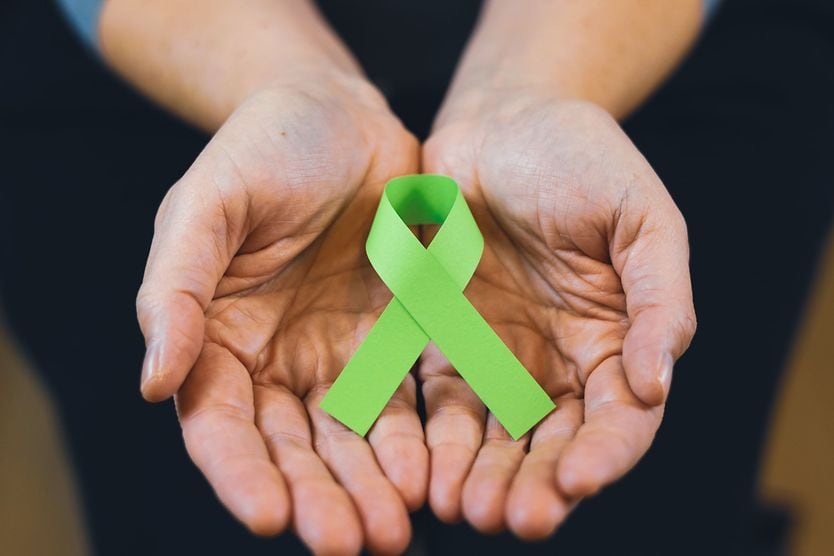
DeafBlind Awareness Week is the last week of June

History of DeafBlind Awareness Week
People who are deafblind have significant hearing and vision impairments that heavily impact their daily life. DeafBlind Awareness Week brings public attention to deafblind individuals and the challenges they face. The event also celebrates their contributions to society while promoting accessibility and inclusivity.
Helen Keller is probably the best-known person with combined hearing and vision loss. She’s also the reason DeafBlind Awareness Week exists. Since it was established in 1984, this event has been held the last week of June every year to coincide with Helen’s birthday on June 27. The awareness week will be held June 25 through July 1 in 2026.
About Helen Keller
At just 19 months old, Helen lost her hearing and vision due to an illness. Helen’s parents wanted her to be educated and learn to speak, so they hired Anne Sullivan to tutor Helen in 1887.
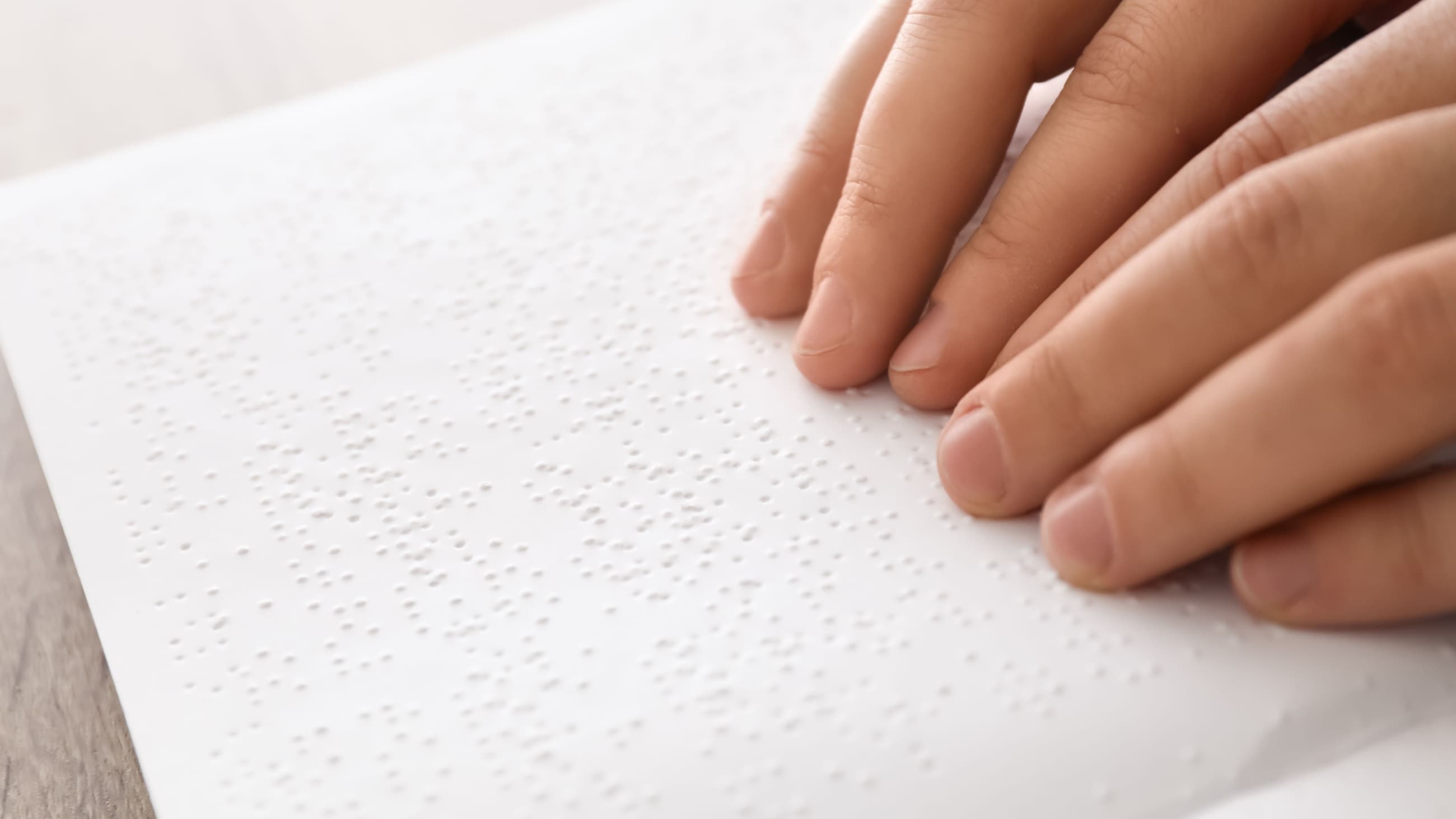
Anne helped Helen learn to communicate through finger spelling, sign language, tactile lip reading and speaking. Helen could also write block letters and read raised print and Braille.
Among her many notable achievements, Helen:
- Was the first deafblind person to graduate from college.
- Co-founded the American Civil Liberties Union (ACLU).
- Wrote The Story of My Life, her bestselling autobiography that is still in print in more than 50 languages.
- Won an Academy Award for Helen Keller in Her Story, a documentary about her life.
- Was awarded the Presidential Medal of Freedom by President Lyndon B. Johnson.
Why DeafBlind Awareness Week is important
Approximately 2.4 million people in the U.S. have a combined vision and hearing impairment severe enough to be classified as deafblind.
People living with deafblindness often face difficulties in daily life, including:
- Challenges with communication
- Social isolation
- Lack of independence
- Difficulty moving around safely
- Restricted activities
- Poor physical and/or emotional health
- Stress
DeafBlind Awareness Week helps increase understanding of the issues associated with deafblindness. It also promotes inclusivity and accessibility for deafblind people in the community.
Types and causes of deafblindness
A person can be born with deafblindness (congenital) or it can develop later in life (acquired or age-related):
Congenital deafblindness
This type of deafblindness happens at birth or shortly after. It is often genetic. Causes can include:
- Genetic disorders such as CHARGE syndrome
- Low birth weight
- Premature birth
- Prenatal infections
- Maternal drug use
Acquired deafblindness
Acquired deafblindness typically develops later in life after experiencing normal hearing and vision. Causes can include:
- Genetic disorders, including such as Usher syndrome
- Severe head injuries
- Neurological conditions such as multiple sclerosis
- Infections such as meningitis
- Extended use of or exposure to medications or toxins, including chemotherapy drugs, antibiotics and/or environmental toxins
Age-related deafblindness
This is a natural, gradual loss of vision and hearing that usually occurs in people over age 65. Causes can include:
- Age-related hearing loss
- Age-related vision loss from macular degeneration, cataracts and/or glaucoma
- Contributing age-related health conditions, including diabetes, cardiovascular disease and neurological disorders
Observing DeafBlind Awareness Week
Even if you don’t know anyone who is deafblind, you can still be an advocate. Here are some things you can do during DeafBlind Awareness Week to bring attention to this condition:
- Educate yourself – Visit websites like Helen Keller Services to learn about deafblindness and some of the resources that are available for deafblind people.
- Talk to your employer – There may be things your company can do to make your website more accessible and digitally inclusive.
- Contact your elected officials – Ask your local representatives to proclaim DeafBlind Awareness Week in your community.
- Spread the word on social media – Post about DeafBlind Awareness Week on your social media accounts.
AAV resources for DeafBlind Awareness Week
The more you know about deafblindness and DeafBlind Awareness Week, the better of an advocate you can be.
All About Vision (AAV) has resources to help you learn about the causes of blindness and the link between vision and hearing. We also have guides on how to create a safe environment for someone who is blind or visually impaired and what it’s like to live with a vision impairment.