Low vision: 10 coping strategies for people of all ages

Whether you’re a retiree with cataracts or the parent of a toddler with a congenital vision condition, there’s probably one question on your mind: How do I cope with low vision?
The answer lies in developing a plan to deal with the most common low-vision challenges.
People of all ages and abilities may have vision that cannot be corrected to the 20/20 standard. Some babies are born with low vision. Teens and young adults might have vision loss from car crashes or diabetes. Older folks are more prone to [glaucoma](https://www.allaboutvision.com/conditions/glaucoma/overview-of-glaucoma/ ) and age-related macular degeneration (AMD).
So, if you’re wondering how we can help visually challenged persons, there’s a lot of ground to cover.
These 10 strategies could help you get started:
1. Get educated
Start with the fundamentals — a specific diagnosis and treatment guidance from an optometrist or ophthalmologist. Read the educational materials you receive closely.
Make a list of questions for your eye doctor to answer in future visits. Local and state agencies serving the disabled can help you learn about transportation and mobility issues. Low vision might also qualify for some tax advantages.
LEARN MORE: How to make the internet easier to navigate with impaired vision
2. Prepare your home
Make it easier to detect details in rooms, furniture, hallways and more. Use color and contrast to help define the location and outline of furniture.
If you have a light-colored sofa, for instance, putting dark pillows on the sides can help define its boundaries.
3. Organize your belongings
Low vision requires making it as easy as possible to distinguish between various belongings.
That means: Don't toss screwdrivers in with your pizza cutter and extra extension cords. Socks, underwear, pants and blouses have to go in the same place every time.
Stow similar items in baskets and bins.
Organize coats in the hall closet by season or from lightest to heaviest. And remember the value of color and contrast to people with low vision.
4. Check out assistive devices
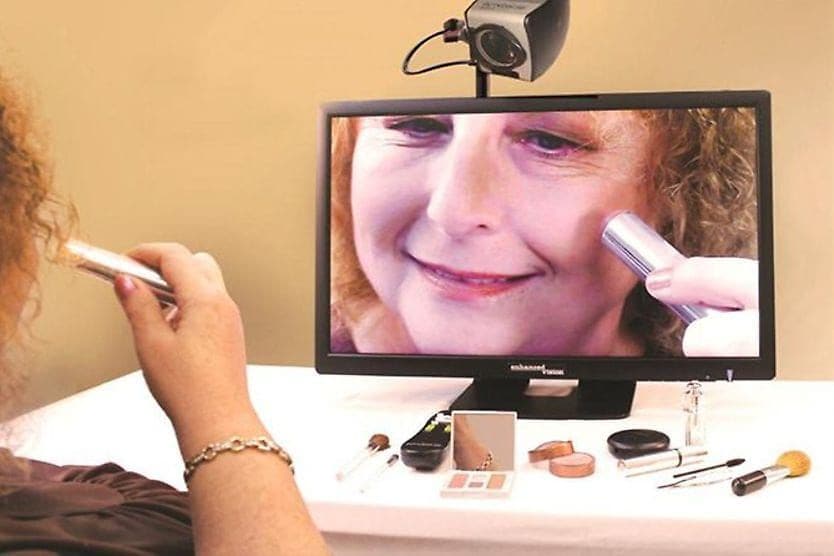
Magnifying glasses, closed-circuit TV screens and mobile apps are among the vast range of devices designed to help enhance people’s vision.
READ MORE: Low-vision aids for computer users
5. Consider mental health counseling
Humans thrive on social connections, and low vision can isolate people in ways that make it difficult to develop friendships and other meaningful relationships.
Declining vision can make people fear the future and worry about losing capabilities they once took for granted. Foggy vision can feel very frustrating.
Isolation, anxiety and depression often compound the difficulties of low vision. Ask your eye doctor to refer you to a mental health professional who has experience working with low-vision patients.
READ MORE: Vision loss and mental health: Learning to cope and overcome
6. Join a support group
Support groups introduce you to other people facing similar obstacles. Group members can tell you how they deal with everyday challenges and reassure you that you’re not the only one going through this. That kind of validation and support can help overcome feelings of isolation and alienation.
Just remember there’s no substitute for consulting with trained medical professionals, counselors and therapists. What works for somebody in your group might not work for you. A professional can help you understand why.
7. Prepare for emergencies
Low vision requires a three-part strategy for handling emergencies.
- Personal. Make sure you have a three-day supply of water, extra batteries for devices, food for service animals and so on.
- Environmental. Get your home ready for an emergency by placing important items in specific places that are easy to find.
- Community. Learn about resources for the disabled and how they work in an emergency.
8. Find out about job opportunities
Low vision might make it harder to find and keep a job. A good defense is to learn about local and regional resources that help people with low vision connect with employers.
Networking is one of the best ways to find out about specific job opportunities. Take the time to develop contacts with hiring managers and people in your support group who can tell you about jobs that do not get advertised. And seek out mentoring opportunities to find out how people like you have succeeded.
9. Engage your family
Family members should be a bulwark of support for people with low vision — but you have to put in the effort. A low-vision child needs brothers and sisters to pitch in. Aunts, uncles and cousins should be on the team too. Make sure the help is age-specific: What works for a toddler might not work for a teenager.
10. Learn braille
Some vision loss descends into complete blindness. While audio tools can “speak” books and articles and deliver voice commands to devices like phones and computers, they don’t work in every situation and most require electric power.
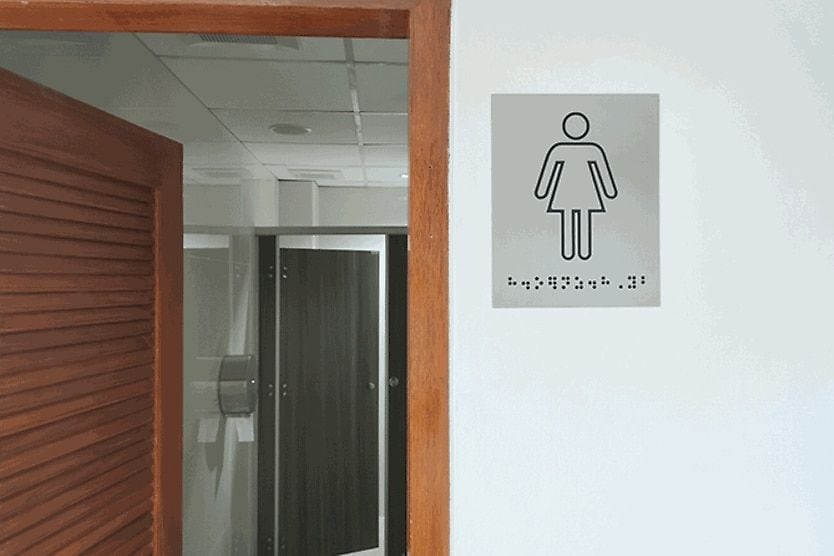
Braille consists of raised dots on a page or surface — no power required — adding to its versatility.