6 common lens coatings for glasses

What are lens coatings for glasses?
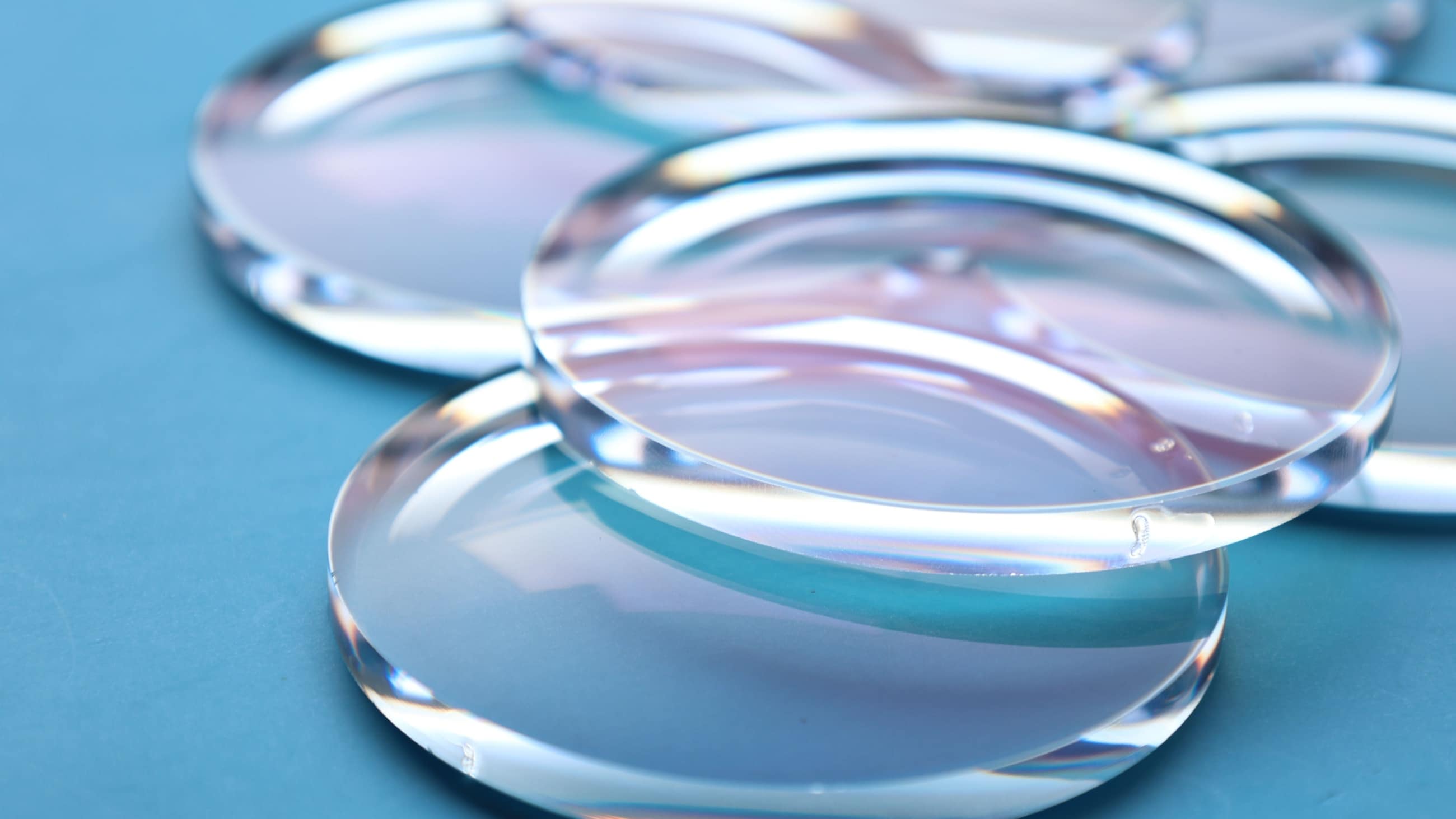
Lens coatings are a type of lens technology applied to eyeglass lenses to enhance the durability, performance and appearance of your glasses. This is true, whether you wear single vision, bifocal or progressive lenses. The types of lens coatings for your glasses depend on your daily activities. This includes how much time you spend outside and the wear and tear your glasses face.
If you’re thinking about purchasing new eyeglasses, you might want to consider the following eyeglass coatings and treatments:
Anti-reflective (AR) coating
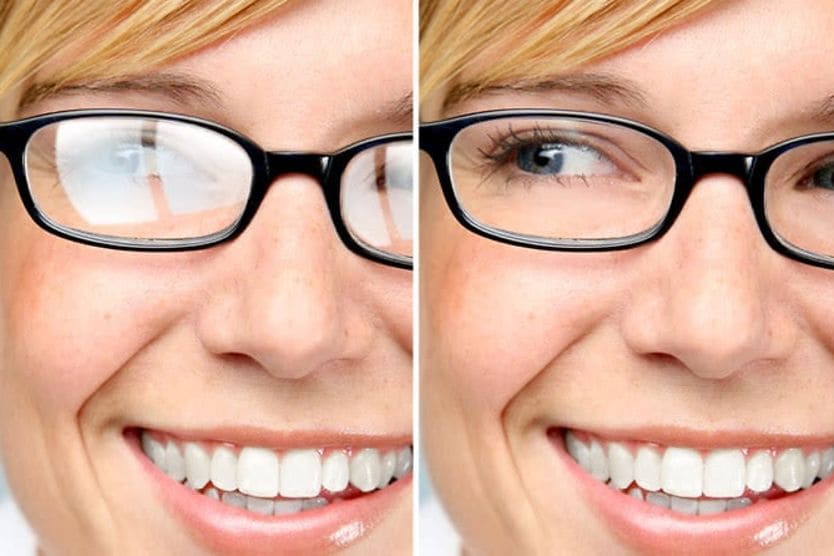
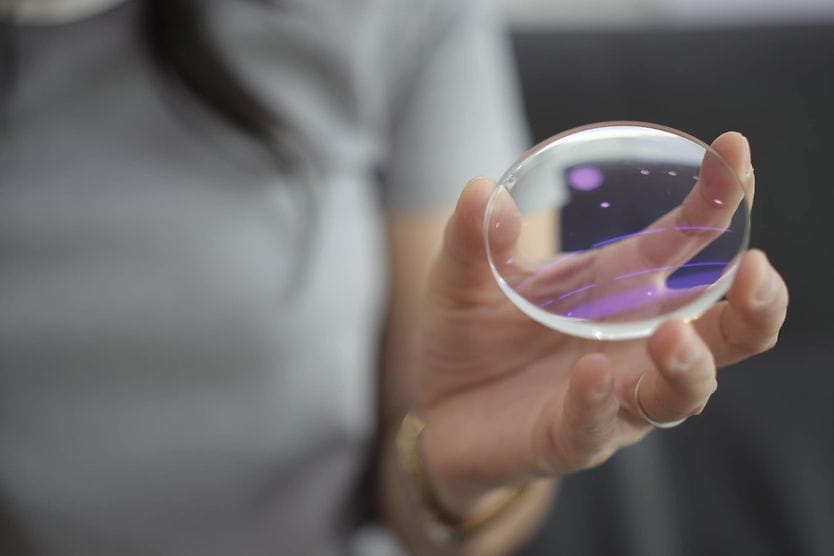
Anti-reflective coating (also called AR coating or anti-glare coating) is a thin, multi-layer coating that eliminates reflections from the front and back surfaces of eyeglass lenses.
AR coating on eyeglasses can provide many advantages, such as:
Making your lenses look almost invisible. This helps others focus on your eyes, not on any reflections from your glasses.
Eliminating glare caused by light reflecting from your lenses.
Providing better vision for night driving.
Offering more comfortable vision for reading and computer use.
AR coating is often recommended for all eyeglass lenses. This is particularly true for polycarbonate and high-index lenses, which reflect more light than regular glass or plastic lenses.
Aspheric lenses may also benefit from AR coating. Because these lenses have a flatter shape, reflections can be more noticeable. An anti-reflective coating can help maintain visual clarity.
For optimal comfort in all lighting conditions, eye care professionals usually recommend applying an anti-reflective coating to photochromic lenses. AR coating can boost light transmission in lenses for night driving. It also helps photochromic lenses with glare reduction in bright sunlight.
Ultraviolet (UV) coating
Another beneficial lens enhancement treatment is an invisible dye that blocks ultraviolet (UV) light.
Overexposure to ultraviolet light is thought to be a cause of cataracts, eye cancers and other eye problems. UV protection on eyeglass lenses keeps your eyes safe from harmful rays.
Regular plastic eyeglass lenses block most UV light. Adding a UV-blocking dye boosts UV protection to 100% for added safety. Other eyeglass lens materials, including polycarbonate and most high-index plastics, have 100% UV protection built in.
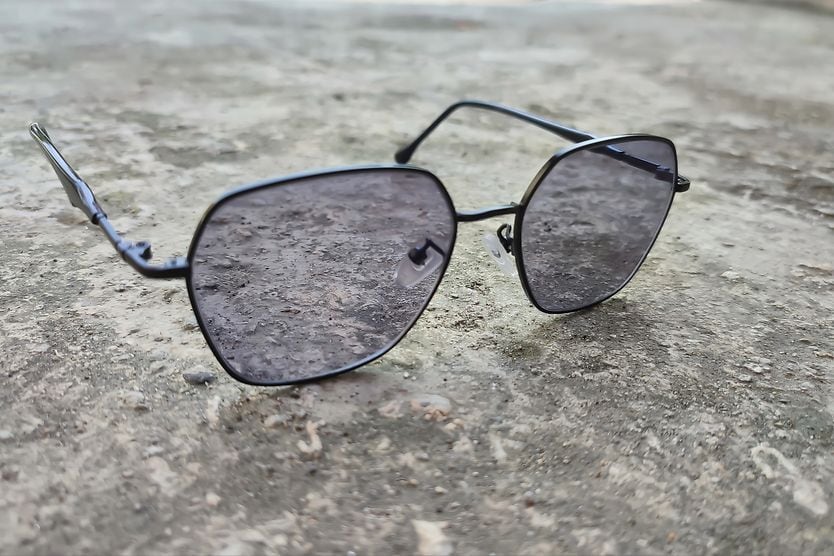
UV protection is separate from lens color. A darker lens does not necessarily provide more UV protection, and lenses with lighter tints can offer the same UV protection as very dark lenses. Photochromic lenses also block 100% of the sun’s UV rays without the need for an added UV lens treatment. These lenses are designed to darken when exposed to UV light and become clear again when UV exposure decreases.
READ NEXT: Can you further impair your vision with scratched lenses?
Scratch-resistant coating
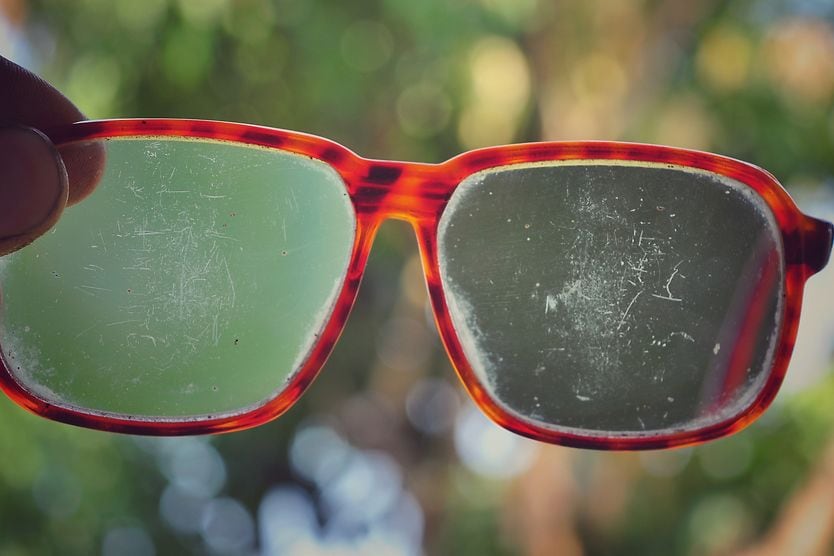
No eyeglass lenses — not even glass lenses — are 100% scratch-proof. However, lenses treated with a clear, scratch-resistant coating on both sides have a tougher surface. This makes them more resistant to scratches.
Today, most eyeglass lenses, including high-index lenses and lenses made of polycarbonate, have built-in scratch resistance.
Scratch-resistant coatings are sometimes optional. Make sure your optician knows that you want your eyeglass lenses to include hard coating for extra durability. Also, you may want to ask about the warranty on eyeglass lenses. It may be different for those treated with scratch-resistant coating.
Keep in mind that even the best scratch-resistant coating can’t completely protect your lenses from wear and tear. To keep your glasses looking new:
Store them in a cushioned case when not in use.
Wipe your lenses using a microfiber cloth.
Use the cleaning solution your optician recommends.
Also, be wary of products that promise to repair scratched lenses. These products can fill in scratches, but they can’t make them disappear. Certain AR coatings include scratch warranties as part of their pricing, and the higher-quality coatings typically offer more comprehensive warranties.
Anti-fog coating
If you live in a cold climate, eyeglass lenses can fog when you move from cold outdoor air into a warmer indoor environment. This can temporarily lower visibility. In some cases, it might raise safety concerns. This is especially true for those who need clear vision for urgent tasks, such as first responders.
Some eyeglass lens coating manufacturers offer factory-applied coatings intended to reduce lens fogging. These help reduce moisture on the lens, which prevents fog from forming.
This coating may keep lenses clearer by cutting down on condensation. It’s especially useful when temperatures undergo rapid changes. It may also lessen fogging during heated activities, such as various sports.
While anti-fog coatings are valuable in certain conditions, they are not ideal for daily wear because they are more sensitive to cleaning and handling. A separate pair designed for high humidity or safety environments often delivers a better experience.
Blue-violet light filtering coating
Blue-violet light* filtering lenses claim to work by selectively limiting the amount of ultraviolet and short-wavelength visible light that reaches the eye.
Many ads for blue light filtering coatings mention they can ease eye strain or prevent retinal damage from too much screen time. However, there isn’t much scientific evidence to support these claims. Though most people think of screens when it comes to blue light, the main source is actually from sunlight, even if you are indoors.
You might pick blue-violet light filtering coatings for comfort or style. But remember, they aren’t medically required and don’t prevent eye disease. For most, regular breaks, appropriate screen placement and proper lighting are key to staying comfortable during screen time.
Anti-smudge coating
Anti-smudge coatings are often added to modern anti-reflective lenses. They help keep the surface clear of everyday dirt and oils, minimizing moisture and buildup on the lens. As a result, lenses can remain clearer with everyday wear. These coatings feature hydrophobic and oleophobic technologies:
Hydrophobic – This changes how water behaves on the lens surface. Instead of spreading into a thin film, moisture gathers into small droplets that fall off the lens. This can be helpful in situations where lenses come into contact with rain or splashing water. Some lens sprays for glasses are also labeled as hydrophobic or water repellent.
Oleophobic – These properties focus on minimizing oil transfer from the skin. Natural facial oils can leave marks when you touch or adjust lenses. But oleophobic surfaces help reduce how much these oils stick to the lens. Fingerprints and smudges are less visible, so they’re easier to clean during regular upkeep.
Caring for lens coatings
If the coating on your glasses starts peeling, flaking or wearing away, you can typically take them to your eyewear provider. They can inspect the lenses and determine whether they need to be replaced. Although there are methods for removing coatings from lenses, including anti-reflective (AR) coatings, it is best to discuss with an eyewear professional first.
Hydrophobic and other lens coatings are typically designed to last for the life of the prescription. However, the lifespan of a coating can vary based on how well your glasses are cleaned and cared for.
If a coating begins to deteriorate sooner than expected, your eyewear provider can determine whether it may be covered under warranty.
*Blue-violet light is between 400 and 455 nm as stated by ISO TR20772-2018. (ISO: International Standards Organization – “Ophthalmic optics – Spectacles lenses – Short Wavelength visible solar radiation and the eye, FD ISO/TR 20772”)
Liz DeFranco, ABOC, NCLC, also contributed to this article.