Problems with your new glasses? How to solve them


What to do if you have problems with new glasses
Whether you buy eyeglasses online, in person at an optical store, or through your eye doctor, it’s not uncommon to notice some issues after you get them. Often, your eyes simply need time to get used to your new glasses. However, some problems may require adjustments to your frames or lenses.
Knowing how to address these issues can help ensure your glasses are comfortable and meet your vision needs.
Specific eyeglass problems and solutions
Problems with new glasses can arise for various reasons, from the fit of the frames to making the adjustment to multifocal lenses. Here are a few common issues and what to do if they occur:
Ill-fitting frames
Eyeglasses that don’t fit correctly can lead to discomfort and other concerns. For example, frames that are too tight on your nose, temples or ears can cause pressure, soreness and headaches. Glasses that slide down your nose or fit too loosely can make it difficult to see clearly through the lenses. They may also require frequent readjusting.
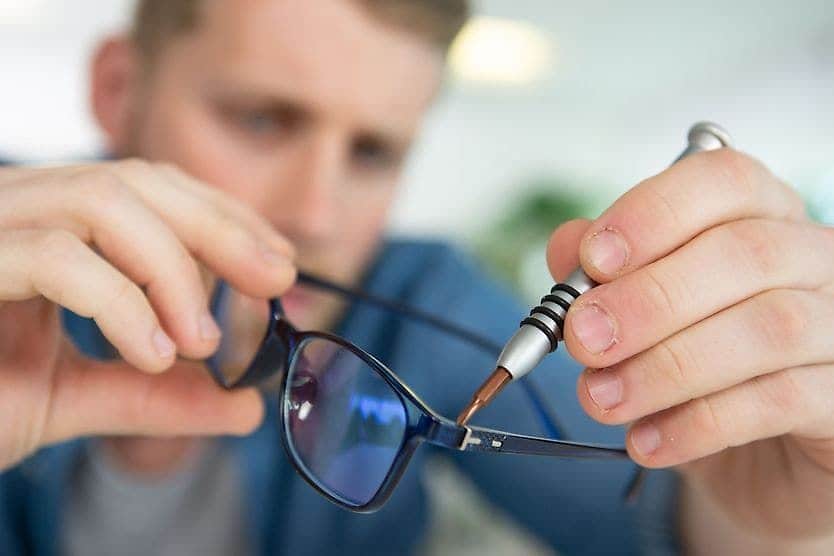
Many of these issues can be resolved by visiting your local optician. They can often make adjustments to improve the comfort and fit of frames that are too tight or too loose. These adjustments may include:
- Tightening or replacing screws
- Changing or repositioning nose pads
- Bending the temples (arms) of the frames
It’s appropriate to visit an eye care professional for frame adjustments rather than attempting them yourself. They have the necessary tools and techniques to make these adjustments safely and effectively.
Reflections
Reflections in eyeglass lenses happen when light bounces off the lens surfaces. Reflections can be distracting and make it difficult for others to see your eyes clearly. They can occur in various lighting conditions, both day and night, indoors and outdoors.
In addition to being distracting, reflections may:
- Contribute to eye strain and fatigue
- Reduce your visual clarity
- Interfere with your night vision
- Impede eye contact
- Affect the appearance of your glasses
If you experience this issue, your eye care professional may recommend replacing your lenses with ones that include an anti-reflective (AR) coating. This is designed to let more light pass through the lens instead of reflecting off of it.
While the coating may carry an additional cost, it may improve visual clarity and comfort for some people. A premium AR coating may also have a limited warranty against scratches. Ask your optician for more details.
Trouble adapting to progressive lenses
Adapting to progressive lenses can be challenging at first, especially if you’re new to wearing them. Unlike traditional bifocals or trifocals, which have distinct lines separating different lens powers, progressives have a gradual transition in prescription strength from top to bottom. This allows for clear vision at multiple distances without any visible lines.
However, this gradual change in power can create areas of blur or visual distortion, especially along the sides of the lenses. Learning to look through the correct part of the lens is essential for seeing clearly at different distances.
It can take some time to adjust to wearing progressive lenses. You can often help reduce this adjustment period by following these steps:
- Have your lenses fitted by a licensed eye care professional.
- Wear your new glasses consistently.
- Point your nose in the direction of your gaze (rather than just moving your eyes).
- Give yourself time to adjust to your new lenses.
If you still have trouble adapting to progressives, visit your eye care professional. They may be able to adjust the frame or lens position to improve your comfort and visual clarity. However, if you choose to have your progressive lenses replaced with bifocal or trifocal lenses, you might not be refunded the difference in cost, depending on the doctor’s office or store’s policy.
Sensitivity to light
If you notice sensitivity to bright light when wearing your new glasses, let your eye doctor know. They can check your vision prescription and lenses for accuracy and rule out any underlying issues.
Once any necessary adjustments have been made, you can explore lens options such as:
- Photochromic lenses – These automatically darken when exposed to ultraviolet (UV) light and return to a clear or lighter tint when indoors. They may help your eyes adapt more comfortably as you move between different lighting conditions. Photochromic lenses can also be an option if you don't want to buy a separate pair of prescription sunglasses.
- Anti-reflective lens coating – This reduces glare from streetlights and oncoming headlights during nighttime driving which may improve your visual comfort.
Eye strain and discomfort
Some people experience eye strain and other discomfort when adjusting to a new glasses prescription. These symptoms may include:
- Eye fatigue
- Headaches
- Nausea
- Dizziness
These symptoms can occur if you’re new to wearing glasses or if your eye prescription changes. Certain factors can affect how quickly you adjust to them, including:
- Your age
- The type of lenses you’re wearing
- What they’re correcting (such as near or distance vision)
This discomfort is typically temporary and resolves as your eyes adapt to your glasses, usually within a few weeks. However, it’s important to let your eye doctor know if any symptoms persist.
Altered depth perception
A new glasses prescription can sometimes affect your depth perception, which is your ability to judge distances accurately and see objects in three dimensions. This can make it feel as though objects are closer or farther away than they actually are.
This issue might occur if your vision prescription changes significantly or if you’re wearing multifocal lenses for the first time. In many cases, the issue resolves as you get used to wearing your new glasses.
If depth perception problems continue or interfere with your daily life, let your eye doctor know. While this may be resolved through a prescription adjustment or switching to a different type of lens, it can also be a sign of other eye or vision issues.
Blurry or distorted vision
Your vision may appear a little blurry or distorted when you start wearing new glasses. This is especially true if your prescription has changed or if you’re wearing multifocal lenses, such as progressives. It’s usually only temporary and typically improves as your eyes adjust to your new specs.
In some cases, however, blurry or distorted vision could be due to factors like lens positioning or prescription errors. Contact your eye doctor if you continue to experience these symptoms when wearing glasses.

If you can't see clearly when driving with your new glasses, return to your eye doctor for a recheck of the lenses and prescription.
Eyeglass replacement and refund policies
Buying your glasses from a reputable eye doctor’s office or retailer can help give you peace of mind. Many offer satisfaction guarantees, replacements or refunds if you have problems with your glasses or you’re not completely happy with your purchase.
When shopping for glasses, look for a warranty or return policy that covers defects in materials or manufacturing errors. This helps ensure you can either replace the glasses or receive a full refund if needed.
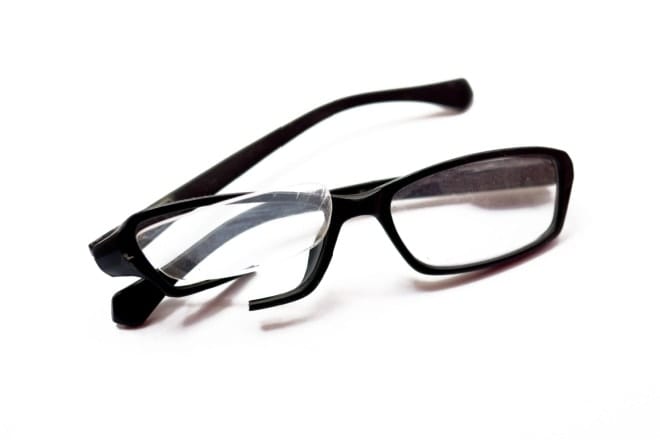
Eyeglass frames damaged due to a manufacturing defect may be eligible for a refund or replacement. However, many replacement and refund policies do not cover damage caused by misuse or abuse of the glasses.
When to have your lenses checked
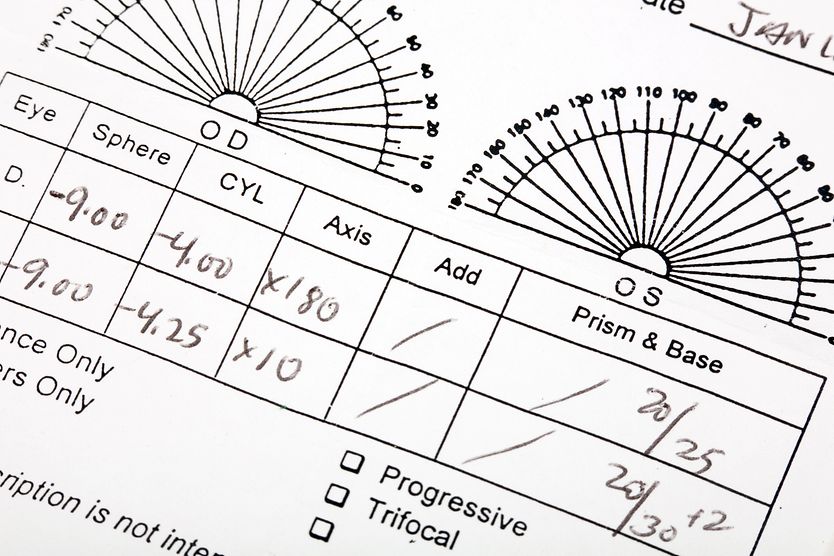
If you suspect your glasses weren't made correctly, bring them to the eye doctor who prescribed them. Your doctor and optician can check the lenses to make sure they match your prescription. This service is usually provided at no additional cost.
Sometimes the lenses are made correctly and do not appear to be defective, but your vision may have changed. In that case, your eye doctor might examine your eyes and recheck your vision to see if any changes have occurred since your last exam.
Many doctor’s offices and retail opticals will remake the lenses at no charge if they were made incorrectly or your eye doctor updates your prescription soon after your purchase. Policies vary, but many cover only one prescription change within a specified period of time. Certain restrictions may also apply.
What if you just don't like your new glasses?
Some doctor’s offices, retail opticals and online sellers guarantee your satisfaction with your glasses — even if you simply don't like them — by offering a refund or a credit for their purchase price. If they do, you must typically return the glasses within a specified time frame (such as within 30 days of purchase).
Policies vary with some offering replacements and refunds at no extra charge. In other cases, a small fee or "co-payment" may be necessary to replace eyeglass frames or lenses.
Because glasses are a significant investment, consider carefully reviewing their replacement and refund policies before you buy.
READ NEXT: How to put lenses back in your glasses