What do blue light glasses do?
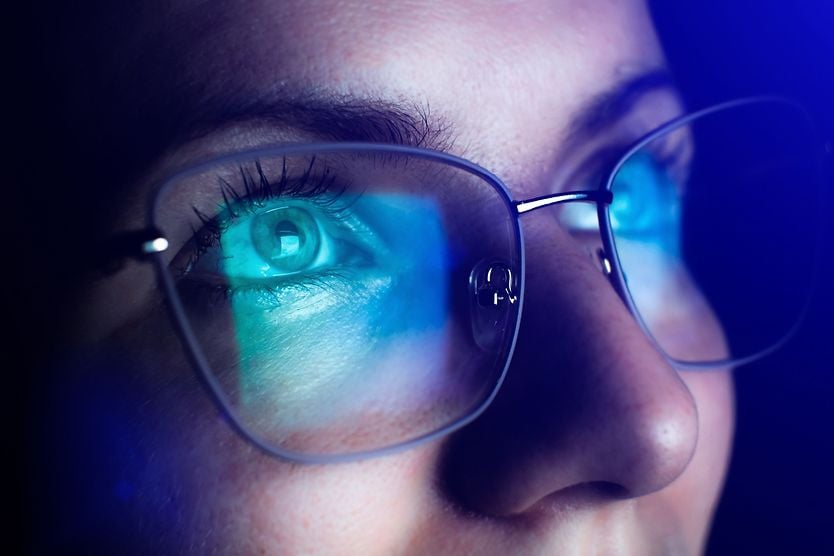
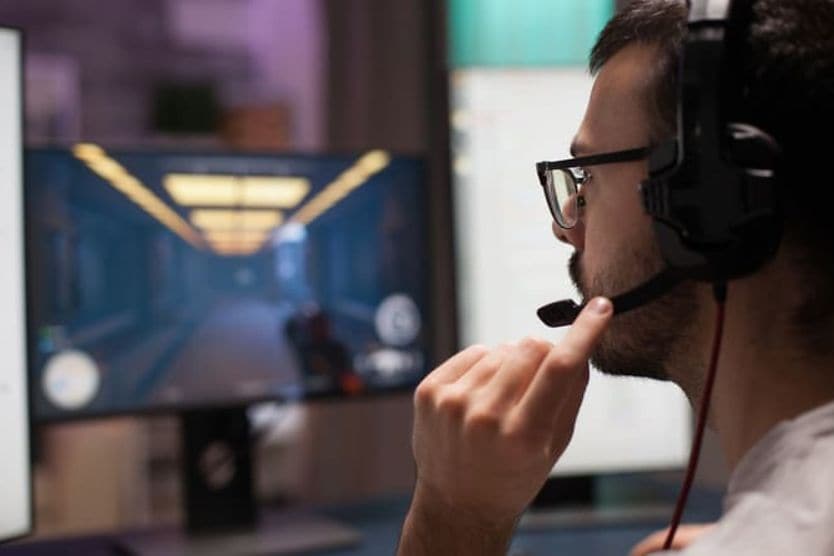
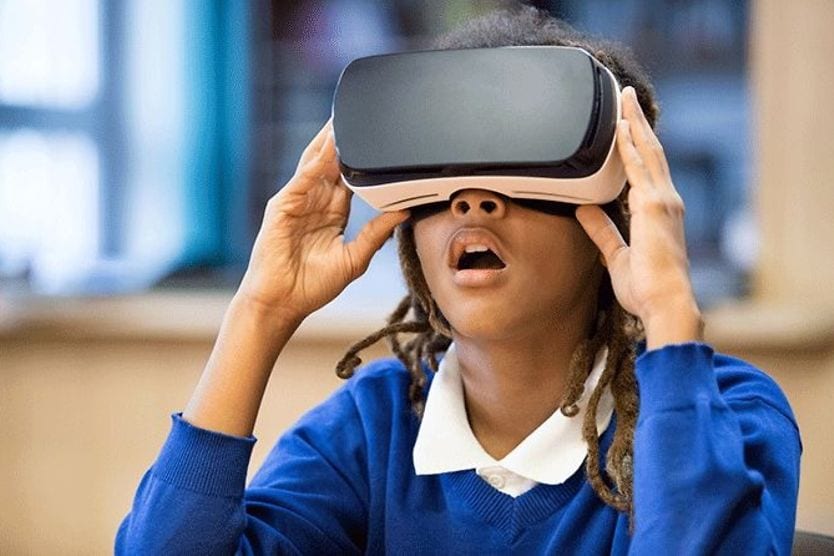
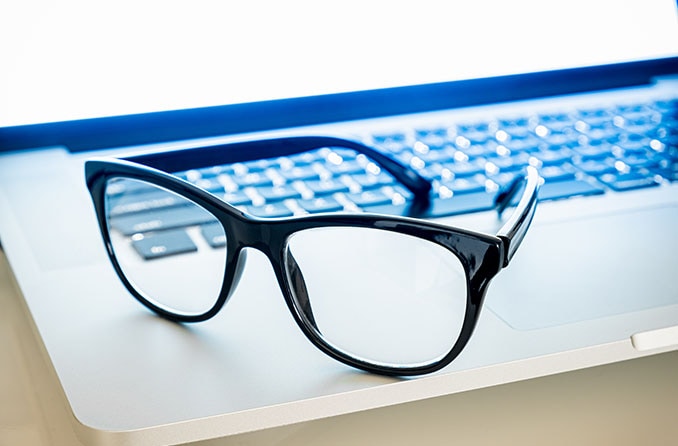
Blue light glasses filter some of the high-energy blue-violet light emitted from electronic devices like smartphones, computers and TVs. Even your average indoor light bulb can give off blue light.
Blue light glasses go by a few different names. You might hear them called blue light blocking glasses or blue light filter glasses. Sometimes, they're just called blue blockers. Even though many types of blue light glasses are called ‘blue-light blocking,’ it’s more accurate to say that they filter light.
Could you benefit from blue light filtering glasses? Let's find out.
SEE RELATED: How computer glasses are different
How blue light filtering glasses work
When something produces light, different colors vibrate at different wavelengths. The blue-violet light is called high energy visible (HEV) light. That's the part that most closely resembles the sun's potentially damaging blue light.

Click here to view infographic
Naturally, artificial blue light is much weaker than the sun's blue light. But the average American now spends so much of their time indoors in front of digital screens that the lower rate of exposure starts to add up.
Blue light glasses filter a percentage of this light with a special coating that reflects some of the blue light away from your eyes. It’s important to note that blue light glasses typically filter blue-violet light, which is higher energy, but not blue-turquoise light, which impacts sleep/wake cycles. How high the percentage and the type of blue light that is filtered depends on which glasses you buy.
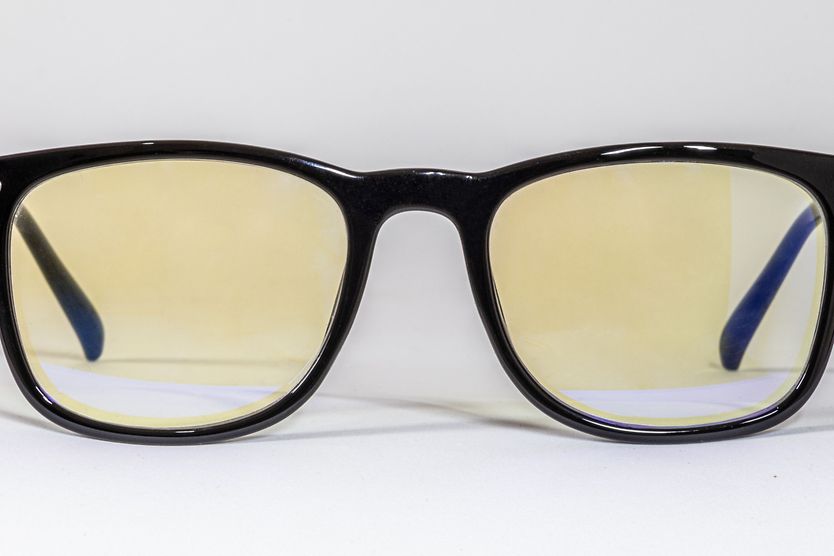
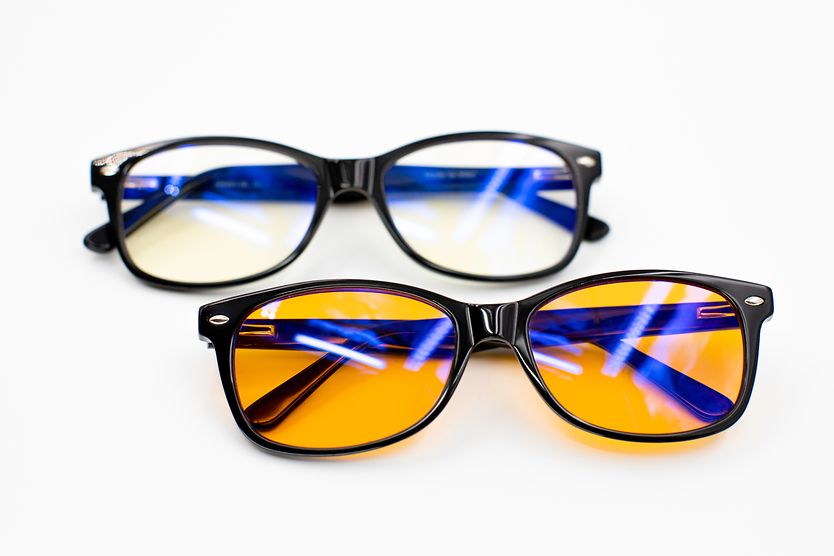
Some blue light glasses have a yellow tint, while others look clear. Typically, lenses that look more yellowed tend to filter more blue light than their clearer counterparts.
SEE RELATED: Blue light can be good and bad
Do you really need blue light filter glasses?
It might help to approach blue light glasses from a trial-and-error point of view.
To help with eye comfort (especially after excessive screen time), blue light glasses can be worth looking into.
Practicing good screen hygiene
With or without blue light glasses, practicing eye-friendly screen habits can be a helpful way to reduce your eye strain and the effects of computer vision syndrome.
Symptoms of digital eye strain often include blurry vision, headaches and dry eyes. The strain of focusing on screens may even trigger ocular migraines.

The 20-20-20 rule can be easy to remember and practice: For every 20 minutes you're using a digital screen, look at an object at least 20 feet away for 20 seconds.
Lifestyle adjustments like regular practice of the 20-20-20 rule, taking extended screen breaks and using your phone's dark mode can supplement any benefits you experience with blue light filtering glasses.