Sustainable contact lens solutions: What’s available for eco-friendly consumers?

Why contact lens solutions need a green fix
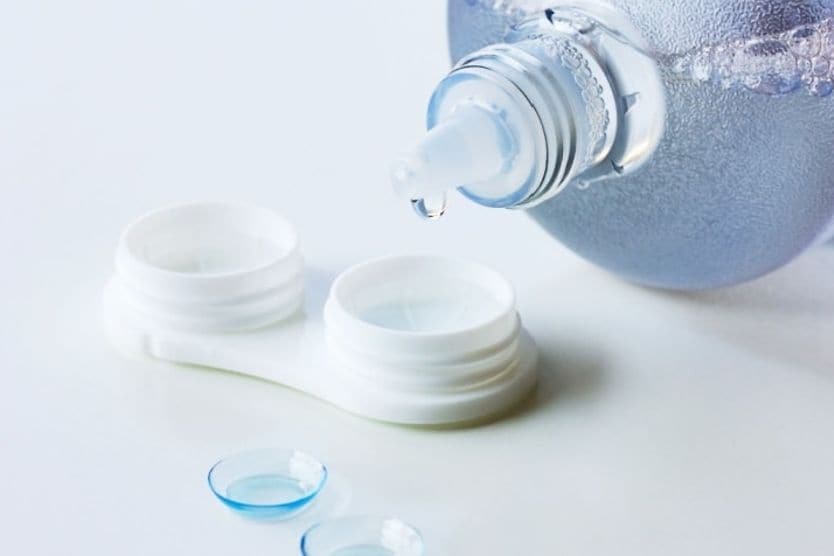
If you’re among the 150 million people using contact lenses, your lens solution choices matter. The products used to clean and store lenses can create significant plastic waste. This includes bottles, caps and packaging materials. Some contact lens solution brands now offer products designed to reduce packaging waste or incorporate recyclable or recycled materials.
Sustainability is becoming an important factor to contact lens wearers. Manufacturers have responded by offering greener options in contacts, solutions and lens care products. Eco-friendly packaging is the new normal and specialty recycling programs are becoming much easier to access.
Eco-conscious consumers now have more choices than ever. Understanding what makes a contact solution sustainable can help you make informed decisions for yourself and the environment.
Plastic waste problem
Contact lens solutions create a significant eco footprint. It may be surprising to learn that contact solution bottles create more plastic waste than contact lenses.
One environmental impact study found that a single lens solution bottle weighs more than all the daily disposable lenses a person would use over 2.5 years. For context, each bottle of solution typically lasts around one to two months for someone with reusable contacts.
Millions of contact lens users around the world create a steady stream of plastic waste. To find more sustainable options, companies must look at the full life cycle of their products. This means thinking about ingredients, packaging and disposal methods.
READ MORE: How sustainable eyewear can help reduce environmental impact
Why it matters: Cutting trash keeps oceans cleaner
Improper disposal of contact lens solution, bottles and packaging contributes to plastic waste and pollution. Plastics, like those in contact lenses and contact solution bottles, break down into microplastics.
Research shows these tiny microplastics now affect every ecosystem on Earth. Ocean life has been hit especially hard, but microplastics are causing significant problems for human and animal health around the world. The particles can be ingested through food or inhaled from the air. And because they’re so small, they’re very hard to remove.
Fortunately, products with biodegradable ingredients are eco-friendly. They break down more easily, which lessens their impact on the environment and the population.
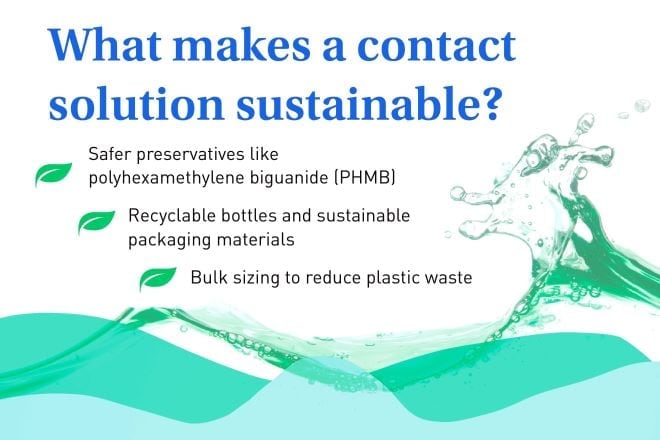
What makes a contact solution sustainable?
A sustainable contact lens solution may use fewer harsh chemicals. It may also have packaging that breaks down when you throw it away.
Eco-friendly formulas
Some formulas avoid using certain preservatives. Preservatives are important because they keep bacteria from growing so lenses are safe for daily use.
One common preservative is polyhexamethylene biguanide (PHMB). Recent studies have shown that PHMB is safe for the environment at current usage levels. But because it breaks down slowly, it can cling to soil particles for months. This raises concerns about long-term buildup in the ecosystem.
Some contact solution brands use eco-friendly formulas that avoid harsh chemicals. They also use recyclable bottles and sustainable packaging materials. This provides a greener option for daily lens care.
Smarter packaging
Contact lens solution packaging is another environmental issue. Packaging includes:
- Bottles and bottle caps
- Instruction pamphlets
- Outer boxes
Recyclable materials **
You can usually recycle contact lens solution bottles with your other bathroom plastics. Choose bottles made from recyclable plastics like PET (type 1) or HDPE (type 2). Most recycling programs accept both material types.��
When shopping, look for brands that use recycled plastic in packaging. This reduces the need to produce new plastic.
Bulk sizing **
Larger bottles usually use less plastic for each ounce of solution. This cuts down on packaging waste. One 16-ounce bottle produces less waste than four bottles of four ounces each — even though they hold the same amount.
Some brands offer larger bulk-size bottles of contact solution to help reduce consumer costs and plastic use.
Recycling and disposal options
Numerous companies have implemented plans to generate less waste by making recycling more accessible. One way to do this is to incorporate more recycled and recyclable materials into the product manufacturing process. This also makes it easier for you as a consumer to practice your own sustainability initiatives.
Some programs are available that accept items that your household recycling program may not take. So, before you throw away anymore contact lens care supplies, check to see if any products can be recycled instead. For example:
Household recycling programs typically accept:
- Standard- and bulk-size plastic contact solution bottles (with the caps removed)
- Paper-based packaging products like boxes and patient information leaflets
Certain recycling programs can pick up:
- Contact solution bottle caps
- Small plastic pieces from solution bottles like tamper-proof seals
- Sample-size bottles of contact solution
- Contact lens cases
- Eye drop bottles and caps
- Single-dose vials for eye drops
If you aren’t sure what items will be accepted, check with your local recycling authority. You may be able to recycle more than you think.
The future of sustainable contact solutions
Watch for trends like refillable systems and concentrated formulas as companies continue to make contact lens care more eco-friendly.
Benefits of switching to “green” contact solution
Using less plastic and choosing biodegradable materials helps reduce microplastic pollution in the ocean. Less waste means better health and a happier planet. Here are a few other ways that eco-friendly products can benefit both you and the planet:
Eye safety and comfort
Eco-friendly contact solutions may contain fewer harsh preservatives and chemicals. With less of these additives, “green” products tend to be tolerated better by sensitive eyes.
For example, hydrogen peroxide-based (HPB) cleaning systems are considered eco-friendly. This is because they neutralize (break down) into saline, which is gentler on the environment than multipurpose solutions.
Plus, HPB cleaning systems are preservative-free, so they can help people with sensitive eyes avoid irritation. Ask your eye doctor about cleaning your lenses eco-style with an HPB solution system.
Ease of use
“Green” contact lens solutions should maintain the same quality levels as traditional products. You shouldn’t need new skills or hard-to-find equipment for them to make an eco-impact.
Another easy way to make a difference is to buy solution in bulk. Large bottles cost less per ounce than smaller bottles, so you can save money while cutting down on waste. Bulk purchasing also reduces transportation costs, whether you buy online or in person.
How to pick eco-friendly lens care
You can be Earth-conscious with your contact lens solution choices without making major sacrifices. Here are some practical steps to reduce your environmental footprint:
Shop smart
Check the bottom of your solution bottle for the recycling symbol and number. This shows if you can include the bottle with your household recycling items. If not, the materials may be accepted by a specialty recycling program.
To help reduce waste with your purchases:
- Select brands that use packaging made with recycled materials.
- Buy in bulk or in larger sizes when possible.
Ask about product formulas and brand goals
Research manufacturers' environmental commitments before purchasing. Look for transparency about ingredients, packaging materials and recycling programs on their websites.
Ask your eye doctor about sustainable eye care during your next appointment. Doctors stay informed about the latest products and technology. They can tell you which options may protect the environment and support your eye health.
Start small
Start small if you're hesitant about making a complete switch. Try an eco-friendly solution or green brand next time and see how it works for you. Consider your eye doctor’s recommendations and tips about switching products.
Also, keep in mind that the most sustainable product is one that works well for your eyes. If a solution causes irritation or doesn't clean well, it will likely go to waste.
Give eco-friendly products a try. This way, you help the planet and your eyes at the same time.
READ NEXT: Are there sustainable contact lenses?