What are photochromic sunglasses and how do they work?


What are photochromic sunglasses?
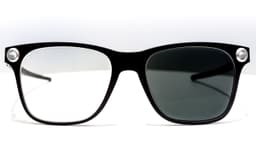
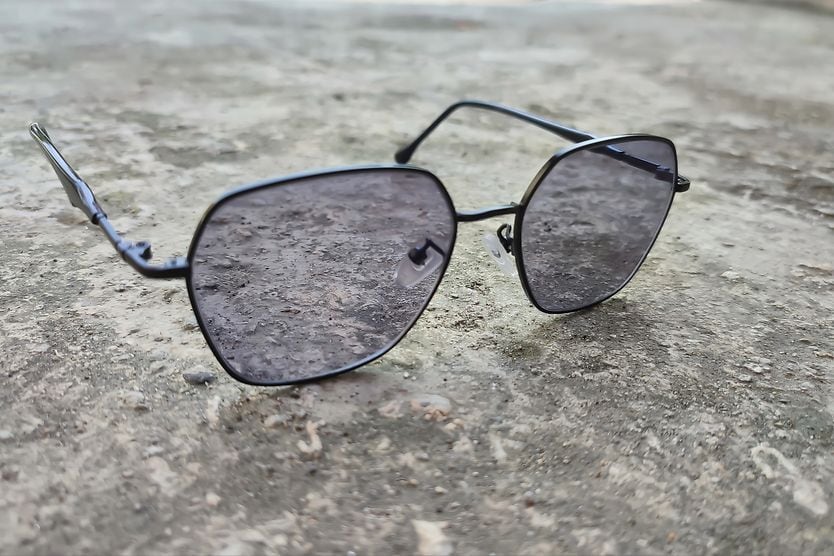
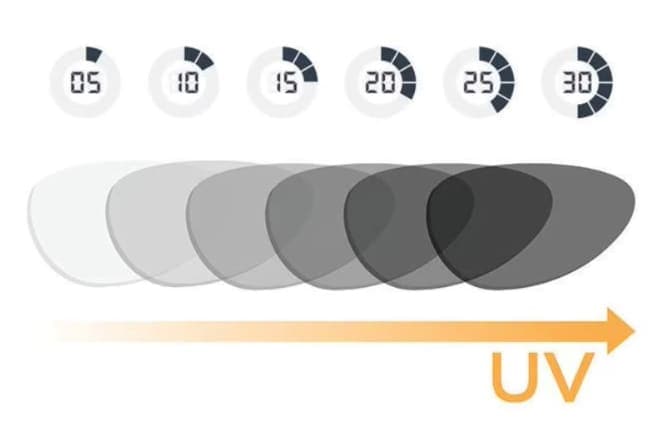
Photochromic lenses are also sometimes referred to as light-responsive lenses. They darken when exposed to sunlight and return to relatively clear lenses with a subtle tint when indoors. This means wearers can use one pair of glasses for both vision correction and tinted sun protection.
These lenses are designed to be used in a variety of environments. Their light-responsive technology allows them to adapt as light conditions change. This way, wearers don't need to carry two pairs of eyewear: a pair of regular eyeglasses and a pair of prescription sunglasses.
Photochromic lenses absorb harmful ultraviolet (UV) light regardless of light conditions. This means they help keep your eyes healthier over time, making them a convenient option for everyday use.
How do photochromic sunglasses work?
Photochromic lens technology has been in use for many years, though the way these lenses are made has changed over time. Advancements have improved their performance and made them more accessible to eyewear users.
How do photochromic lenses darken?
The first photochromic lenses were glass. They worked by using a chemical reaction with silver chloride or silver halide. When exposed to sunlight, the lenses would darken.
Thanks to progress in optical science, today's designs use a new approach. Current lenses use a special photochromic molecule that shifts when it meets UV rays. These updates in technology have expanded the options in lens tints and materials.
Fading back to clear
Photochromic lenses return to their original, resting state when removed from UV light. This includes when you go indoors or when it is dark at night. How much the lenses adjust to light can vary by brand and model. Some options may take longer to respond to changes in brightness.
Types of photochromic lenses
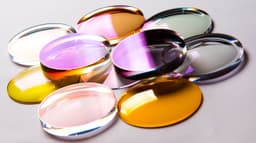
Though they were first made of glass, today’s photochromic lenses are available in a variety of materials. However, the technology may perform better with some materials than with others.
Benefits of using photochromic sunglasses
Photochromic lenses combine everyday glasses and sunglasses. They offer vision correction all the time, along with tinted comfort in sunny settings.
UV protection and eye health
Many photochromic lenses provide 100% UV protection every time you step outside. This built-in safeguard can help support long-term eye health. If you don’t use eyewear with 100% UVA-UVB lens protection, you could be at higher risk for developing cataracts and age-related macular degeneration (AMD).
Convenience and versatility
Photochromic sunglasses offer both prescription lenses and sun protection in one pair. They are useful for both indoor and outdoor activities, like working in the office or having a picnic outside.
There are many lens materials, colors and styles to choose from. You can customize them to match your vision needs and lifestyle.
Choosing the optimal photochromic sunglasses
A few important features can help you select the ideal pair of photochromic lenses for your visual comfort, clarity and protection:
- Lens material – Polycarbonate lenses are durable, thin and lightweight. This makes them ideal for active lifestyles. High-index lenses keep stronger prescriptions thinner and lighter for everyday comfort.
- Frame style – Select frames that flatter your face shape and skin tone.
- Added lens coatings – Photochromic lenses are often compatible with other lens treatments, including an anti-reflective coating. This can help reduce glare, especially during nighttime driving.
Care and maintenance of photochromic glasses
Proper care helps photochromic lenses last longer and perform well. Keep these tips in mind when you clean your glasses:
- Choose gentle cleaning methods – Rinse lenses with mild soap and water, or use a cleaning spray that is safe for eyeglass lenses.
- Dry with care – Use a microfiber cloth designed for eyewear. Do not use your shirt or another rough fabric.
- Keep away from chemicals – Avoid household cleaners. They can wear down special lens treatments and coatings.
FAQs
Learn more about whether photochromic lenses may be right for your vision needs:
Do photochromic lenses filter blue light?
Some photochromic lenses filter blue light, but levels may vary. Check individual product details for more information.
Do photochromic glasses make good computer glasses?
Photochromic lenses are relatively clear when you’re indoors with a subtle tint. This allows for easy wear during everyday tasks, such as using a computer. If the lenses also have an anti-reflective coating, they may help improve visual comfort by reducing glare.
If you experience eye strain after digital screen use, it’s important to:
- Blink frequently
- Take breaks
- Keep your eyes lubricated
If you continue to struggle, your eye doctor can provide additional tips for relief.
Who should wear photochromic sunglasses?
Photochromic lenses are a helpful option if you don’t want the hassle of both prescription glasses and sunglasses. Photochromic glasses may also be more affordable because you don’t have to buy two separate pairs. This could be a benefit for anyone who tends to misplace or forget their sunglasses.
Are photochromic glasses worth it?
Before deciding if photochromic lenses are right for you, you should consider:
- How often you are outdoors
- Whether you live in a warm or cold climate
There are also pros and cons to consider, including:
Pros of photochromic lenses
- You would only need one pair of glasses for indoors and outdoors.
- Many of them block 100% of UVA-UVB radiation.
- They reduce glare, which can help improve visual comfort.
- They adjust automatically to changing light.
- They come in different colors and styles.
Cons of photochromic lenses
- They don’t always darken fully in the car.
- They take a few minutes to lighten indoors.
- They can have a slight tint inside.
- They usually cost more than standard clear lenses.
- They are not always a full replacement for sunglasses.
You should also research the quality of the photochromic lenses you are looking to buy, as it can vary.
Should I get photochromic lenses or prescription sunglasses?
If trying to choose between photochromic lenses and prescription sunglasses, look at the differences in convenience and cost. Also consider your vision needs and lifestyle. Many people enjoy photochromic lenses because they’re convenient for daily wear.
Photochromic lenses react to UV light, but they may not darken fully behind a car windshield since most UV rays are already blocked. They may also not fully darken in very hot weather. If you need lenses that stay shaded in all bright conditions, or you’ll be outside or driving for extended periods of time, a pair of permanently tinted sunglasses may be the ideal option.
When were photochromic lenses developed?
Photochromic lenses were originally made of glass when they were developed in the 1960s. These early lenses worked using silver compounds. They reacted to sunlight, changing from clear to tinted.
Making the most of photochromic lenses
Photochromic lenses are designed to offer visual comfort and UV protection in one pair of glasses. They adapt to changing light, making them a versatile option for everyday wear. With the right pair for your needs, they can help simplify daily routines and support your eye health.
If you think photochromic lenses may work for you, an eye doctor can recommend which option best suits your needs.