Can sunglasses also filter blue light?

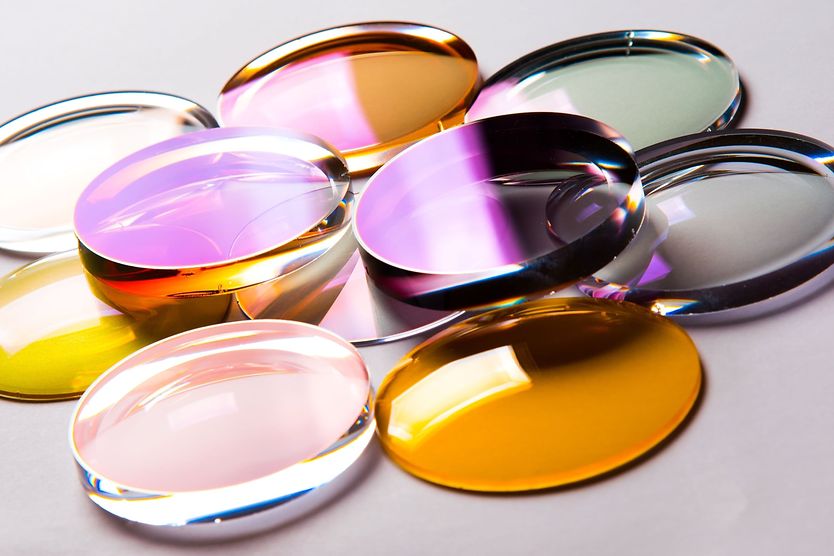
Do the same sunglasses that block the sun's damaging ultraviolet (UV) rays also filter blue light from the sun and your digital devices? It really depends on the lens tint — yellowish tints, for example, filter some high-energy blue-violet light, while darker orange tints may be required to filter lower-energy blue-turquoise light.
What are your options for blue light filtering?
Are there better blue light filtering options than wearing your sunglasses while indoors looking at your digital devices? You may have heard of blue light glasses.
Let’s explore if and when sunglasses make sense to help filter potentially harmful blue-violet light rays, and how you can help keep your eyes comfortable while viewing your digital devices.
Does wearing sunglasses while on the computer help filter blue light?
Many sunglasses are designed to block help UV rays and help reduce glare. When it comes to reducing blue light to help keep your vision comfortable while working at your computer, certain sunglasses lens tints can help reduce the blue light exposure from the screen.
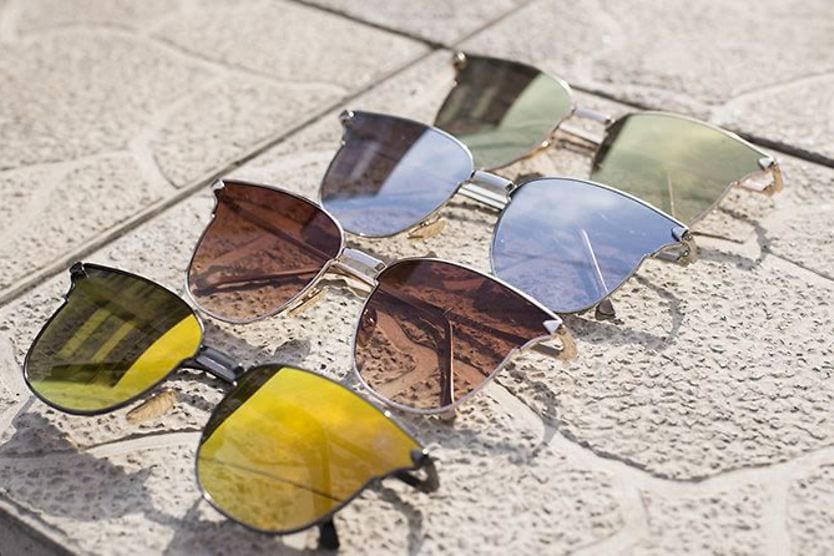
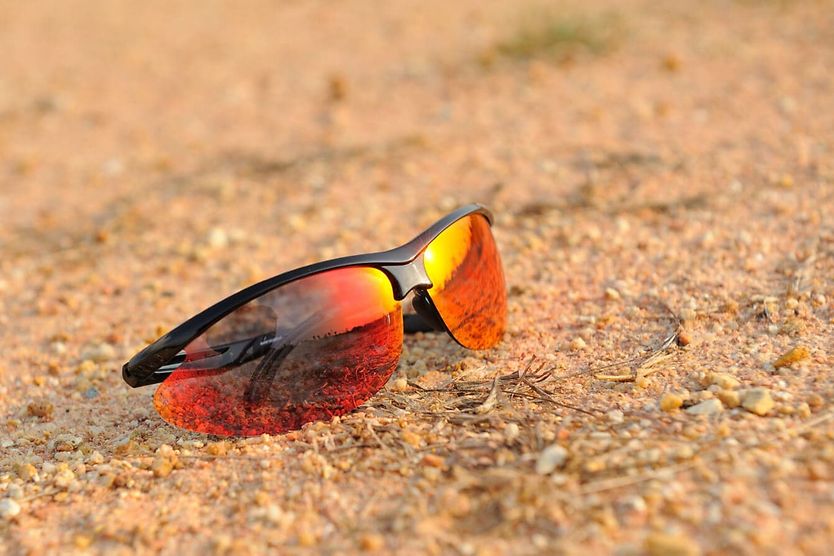
When shopping for shades that also filter blue light, look for yellow, orange, dark amber, copper or brown lens tints. These colors typically work to filter blue light and heighten contrast, making them appropriate for indoor and outdoor activities.
Ask your eye care provider for suggestions and lens coating options for sunglasses that will help reduce exposure to both UV and blue light rays.
QUESTIONS ABOUT SUNGLASSES LENS TINTS? Visit an optical store near you.
What is blue light glare?
Blue light exposure and excessive screen time generally go hand in hand, but should you be concerned with blue light glare from your digital devices?
Not necessarily. Blue light is one color on the light spectrum that you see on a daily basis, and getting a healthy amount of blue light is actually important for regulating our sleep–wake cycle.
The main source of blue light is sunlight, not your laptop. It is also important to remember that blue light emission can also vary, depending on the manufacturer, device and brightness settings.
Can blue light from screens hurt your eyes?
You’re probably aware that staring at your computer or smartphone for hours isn’t exactly helpful for your vision. But why?
According to eye health organizations, spending too much time in front of a screen that is held too close to the eyes can lead to eye strain, dry eyes, headaches, and neck and shoulder pain.
To help reduce your digital eye strain, it’s important to wear protective computer eyeglasses or minimize your screen time.
SEE RELATED: What are blue light glasses? Do you need them?
Are sunglasses the right way to filter blue light?
Sunglasses help reduce exposure to some blue light. How much? That may depend on the tint of your sunglass lenses.
Would blue light glasses be an appropriate solution? Maybe, but it is important to keep in mind that it is accurate to say that these glasses filter blue light and that the amount of blue light that is filtered can differ, depending on the tint.
Another option for blue light filtering? Photochromic lenses help you adjust to light indoors and outdoors, protect you from the sun’s damaging UV rays and filter some of the blue light from all those screens.
So, what should you do?
When you’re outside working on your laptop on the patio or a balcony, your sunglasses can help filter blue light rays.
But when you’re inside playing a game, looking for jobs online, reading a favorite book or spending hours working on a big presentation for work, blue light glasses or computer glasses are a way to ensure comfort while using digital devices.
And if you want three-in-one filtering (UV, blue light and bothersome light) all in one pair of glasses (no need for eyeglasses and those easy-to-lose sunglasses), photochromic lenses are an option.
WHAT ARE THE RIGHT BLUE LIGHT GLASSES FOR YOU? Research your options and shop for eyewear at an optical shop near you or at an online eyewear retailer. Blue light glasses typically filter higher-energy blue-violet light, with wavelengths from 400nm to 455nm, not lower-energy blue-turquoise light (465nm to 495nm).
Not all products that claim to filter blue light will filter both blue-violet light and blue-turquoise light. Ensure your blue light glasses filter the correct type of blue light for your desired purpose. In addition, not all screens are LED-based, and the type of blue light emitted may vary by manufacturer or device setting. And remember, the main source of blue light (including blue-violet light) is usually sunlight, even indoors.
Blue-violet light is between 400nm and 455nm as stated by ISO TR20772-2018. (ISO: International Standards Organization – “Ophthalmic optics – Spectacles lenses – Short Wavelength visible solar radiation and the eye, FD ISO/TR 20772”)