Non-prescription sunglasses: What to know before buying
Many people love wearing sunglasses — and a number wear non-prescription sunglasses.
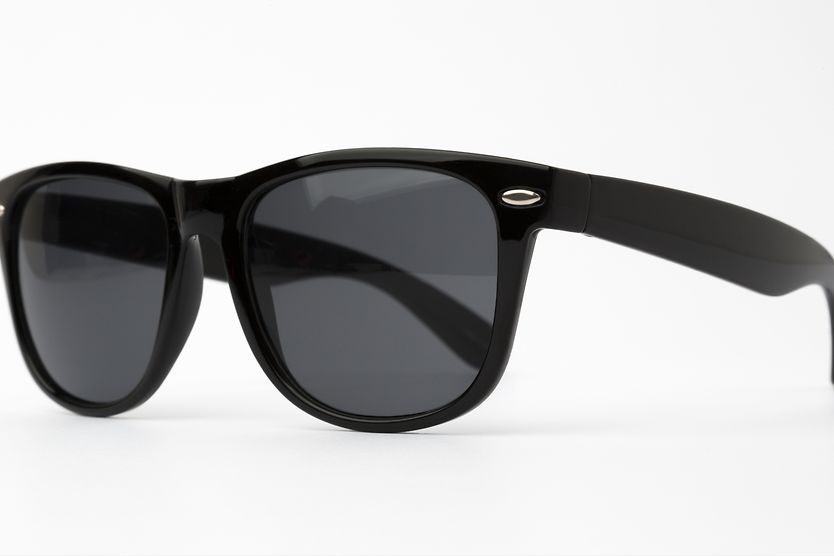
Non-prescription sunglasses (also called "plano" sunglasses) are sunglasses that contain no lens powers to correct vision conditions. As their name suggests, you do not need a prescription from an eye doctor to purchase non-prescription sunglasses.
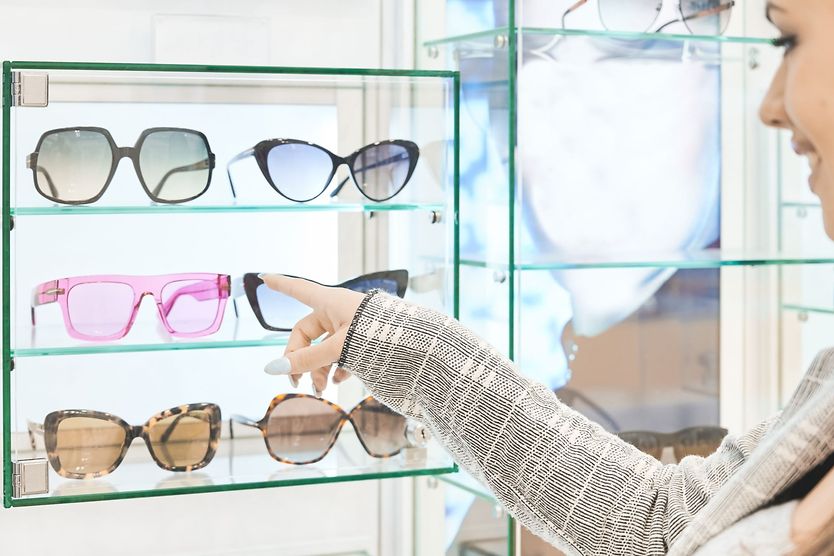
And non-prescription sunglasses are sold in many places — from doctors' offices to high-end boutiques to gas stations. Prices can range from low-cost to expensive, depending on features, materials, and whether they are generic sunglasses or designer sunglasses.
Choices of non-prescription sunglass frames and lenses are extensive.
Non-prescription sunglasses when you need vision correction
Many people who have nearsightedness, farsightedness or astigmatism choose to correct their vision with contact lenses and wear non-prescription sunglasses with their contacts.
The alternative is to wear prescription sunglasses rather than contact lenses and non-prescription sunglasses.
If you need vision correction and you find a pair of non-prescription sunglasses you really like, your eye care professional may be able to replace the plano lenses with prescription lenses of the same color.
Another option may be to have LASIK (laser-assisted in situ keratomileusis) or other refractive eye surgery to correct your refractive error and then wear non-prescription sunglasses without contact lenses.
Essential features
No matter where you choose to buy non-prescription sunglasses, it's important to purchase only sunglasses that block 100 percent of the sun's harmful ultraviolet (UV) rays.
Overexposure to UV rays can lead to serious eye conditions over time, including permanent sun damage to the front surface of the eye (cornea), cataracts and even certain cancers.
The amount of UV protection non-prescription sunglasses provides has nothing to do with the color or density (darkness) of the lenses. UV radiation is invisible and is not significantly impacted by lens tints. It's the lens material and coatings on sunglass lenses that block UV rays.
Many non-prescription sunglasses will have a label or tag attached to the lenses that indicates the level of UV protection the sunglasses provide. If you're not sure how much UV protection your non-prescription lenses provide, take them to an eye doctor or optical store near you to be analyzed.
If your sunglasses don't provide sufficient protection, your eye doctor or optician may be able to order new lenses that provide 100 percent UV protection.
Enhancements
For even greater comfort when wearing non-prescription sunglasses, consider looking for styles that feature anti-reflective coating on the back surface of the lenses. This can reduce glare from light reflecting off the back of the lenses when the sun is behind you.
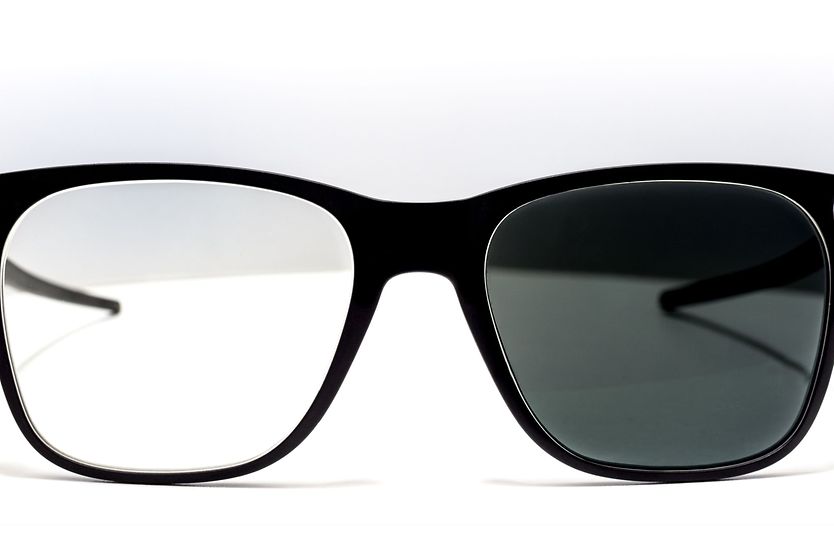
Another option is to purchase non-prescription sunglasses with photochromic lenses that are relatively clear indoors with a subtle tint and automatically darken outdoors in sunlight. These lenses are typically only available at optical stores or eye doctors' offices. You can ask an optician to show you a demo of these sun-activated tinted lenses.
And if you want optimal protection from glare caused by light reflections, you might consider non-prescription sunglasses with polarized lenses. These lenses have a special filter in the lens material that reduces glare from water and other surfaces that reflect light (like snow, sand, cement and automobile windshields).
Polarized lenses may reduce eye strain outdoors and can be especially beneficial for seeing beneath the surface of water when boating or fishing.
Have an eye exam first
Before purchasing non-prescription sunglasses, schedule an eye exam with an eye doctor near you.
Even though you may see well enough to pass a driver's vision screening without glasses, you might be able to see clearly with prescription sunglasses. Only your eye doctor can tell you for sure.
READ NEXT: Non-prescription glasses: What to know before buying them