How do silicone hydrogel contacts compare with hydrogel contacts?
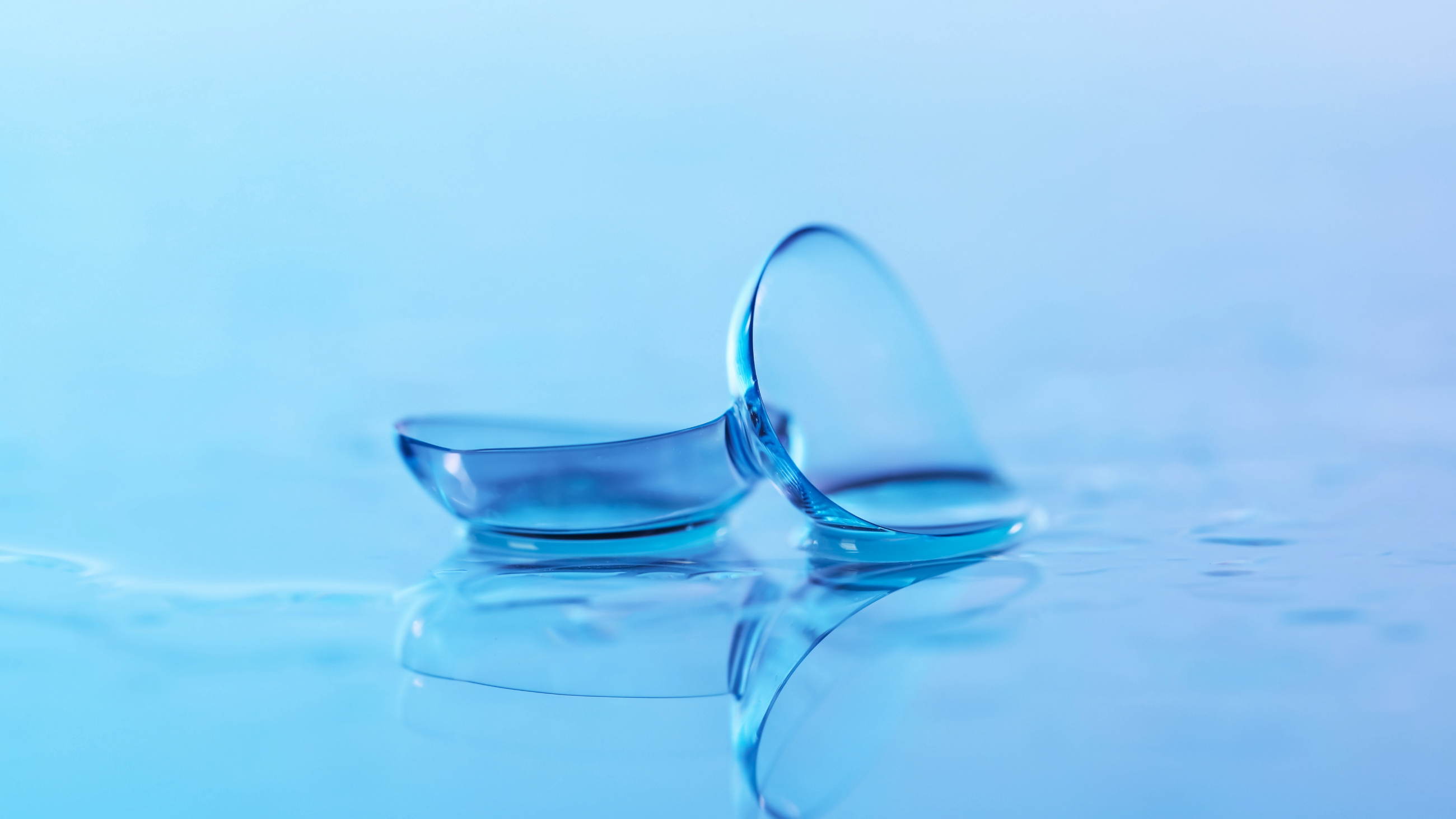

What are silicone hydrogel contact lenses?
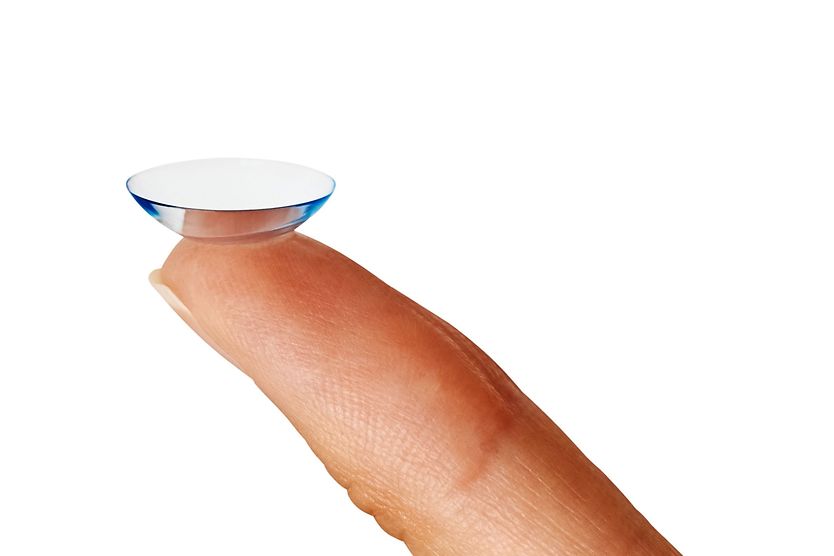
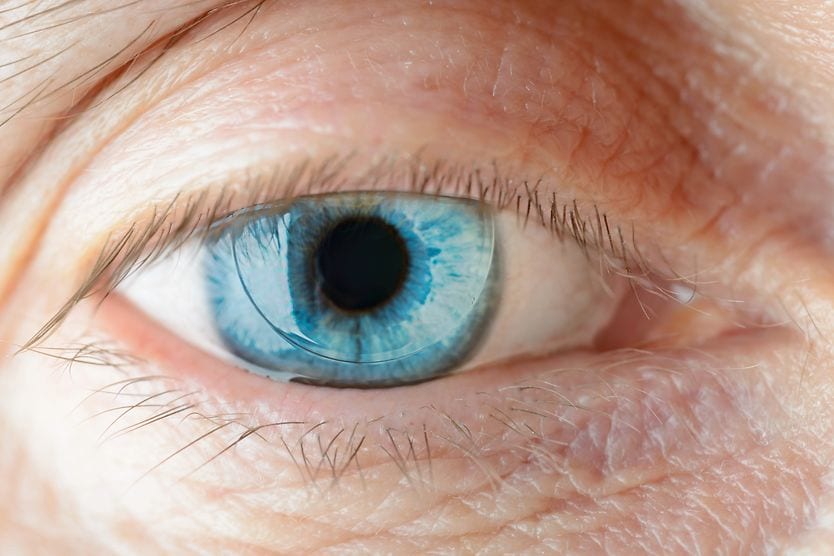
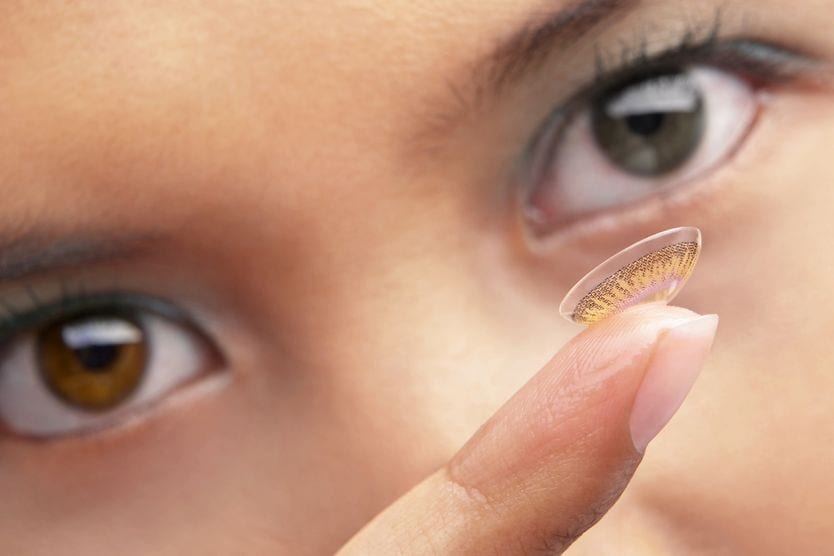
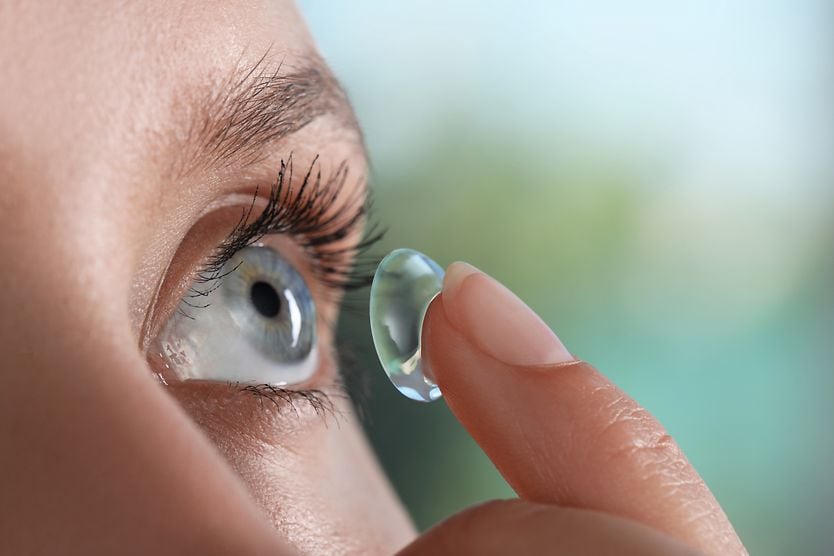
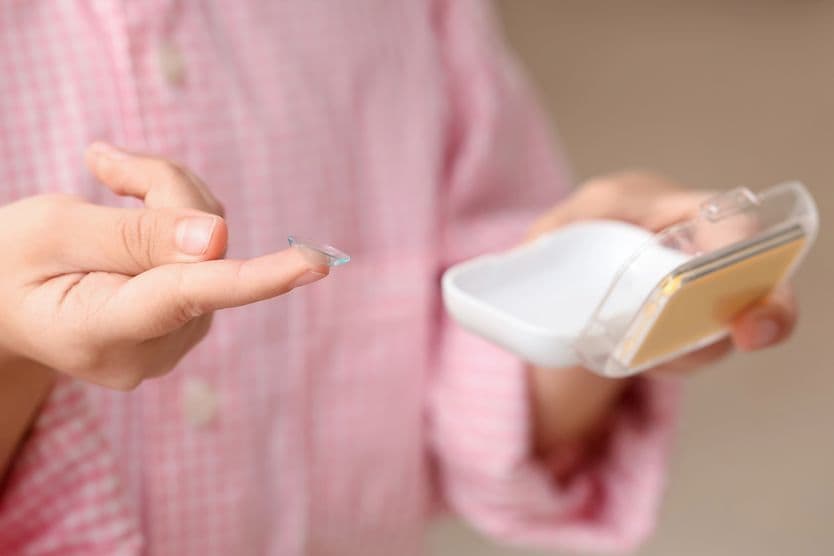
Silicone hydrogel contacts are a type of soft contact lens made of silicone and hydrogel, a gel-like plastic material. Their design allows more oxygen to pass through the lens and reach the eye’s surface when compared with traditional hydrogel soft contacts.
Contacts made of silicone hydrogel emerged in the late 1990s following numerous technological advancements in the field. The first set of U.S. Food and Drug Administration (FDA) approvals of lenses in this category occurred between 1999 and 2001. Since then, various types and designs of these lenses have been developed to meet a variety of needs.
Most soft contact lenses prescribed today are made of silicone hydrogel materials.
What are hydrogel contact lenses?
Hydrogel contacts are soft lenses made from hydrophilic (water-loving) plastic materials. In these contacts, water carries oxygen through the lens to the eye’s surface.
Traditional soft contact lenses are made of hydrogel materials. These lenses were first developed in the late 1950s and early 1960s, with the first FDA approval for soft lenses occurring in 1971.
Silicone hydrogel vs. hydrogel contact lenses
Silicone hydrogel and hydrogel contacts differ in a few key ways, though they’re both available in soft contact lens options. Understanding these differences can help you have an informed discussion with your eye doctor about which lens type is ideal for you.
Oxygen flow
A very important factor in contact lens wear is oxygen permeability, or the ability of oxygen to reach the cornea (the clear, dome-shaped structure at the front of the eye). Some lens materials allow more oxygen to pass through to the eye than others. When the cornea’s oxygen supply is significantly reduced, a condition called hypoxia (lack of sufficient oxygen) can develop. Hypoxia can cause corneal swelling, blurry vision and other complications.
Silicone hydrogel materials can help reduce the risk of developing corneal hypoxia due to contact lens wear. In fact, these soft lenses can increase oxygen permeability up to five times more than hydrogel contact lens materials.
Water content and wettability
Hydrogel contacts typically have a higher water content than silicone hydrogel contacts, which helps them stay naturally hydrated. Silicone hydrogel contacts tend to have a lower water content, which can make them feel less moist. To address this, manufacturers often incorporate wetting agents into the material to help maintain their moisture and improve comfort.
Wettability is the ability of the lens to stay hydrated and lubricated while worn on the eye. Lens materials with lower natural wettability, such as silicone hydrogel, may dry out more easily, which can potentially lead to irritation of the inner eyelid and discomfort.
Lens options
Both silicone hydrogel and hydrogel contact lenses are available in a range of lens types and designs, including:
- Spherical – Used to correct myopia (where distant objects appear blurry) or hyperopia (where near objects appear blurry).
- Toric – A type of contact lens used to correct astigmatism (blurry vision at all distances).
- Multifocal – Used to correct presbyopia (age-related changes in the eye that cause near objects to appear blurry). These lenses help provide clear vision at all distances.
- Multifocal toric – A contact lens that is used for patients who need both astigmatism and presbyopia to help manage their vision.
- Other specialty lens designs – Such as custom contact lenses.
- Myopia management – Soft lenses designed for children with myopia, a specialty category designed to help slow the progression of nearsightedness.
They’re also available in a variety of wear options and replacement schedules, such as:
- Daily disposable
- Daily wear (weekly, biweekly or monthly)
Silicone hydrogel lenses are also available in extended (or continuous) wear options, which means they may be approved for overnight wear. However, it’s important to discuss wearing contacts overnight with your eye doctor. Sleeping with your contacts in can increase the risk of infection or other complications and may not be recommended.
Although silicone hydrogel materials transmit more oxygen, they have not been shown to lower the overall risk of serious eye infection linked to overnight wear compared with traditional hydrogel lenses.
LEARN MORE about daily vs. monthly contact lenses.
Pros and cons of silicone hydrogel contacts
Like all contact lens materials, silicone hydrogel carries both advantages and disadvantages. Considering these factors can help you and your eye doctor determine if this option or another is right for your vision needs and lifestyle.
Silicone hydrogel advantages
Silicone hydrogel contacts are the most commonly prescribed type of soft contact lens. Key advantages of this lens material may include:
- High oxygen permeability
- Considered by many people to be comfortable
- Known for their durability
- Decreases the risk of corneal hypoxia
- Can be a good option for long-term wear
Silicone hydrogel disadvantages
There are also a few potential drawbacks of these lenses, such as:
- May be higher in cost
- Lower level of wettability
- Tendency to build up lipid deposits on the lens surface
- May be less comfortable for certain wearers (due to greater lens awareness)
Pros and cons of hydrogel contacts
Though hydrogel contacts have largely been replaced by silicone hydrogel materials in modern practice, they can still be an ideal option in some cases.
Hydrogel advantages
These lenses offer a range of benefits, such as:
- Typically lower cost
- Widely available
- Generally comfortable
- Durable for daily use
Hydrogel disadvantages
Some of their potential drawbacks may include:
- Low oxygen permeability
- Less suitable for extended wear
- Tend to collect protein deposits on the lens surface
- Potential dryness (during wear time)
Who might benefit from silicone hydrogel contacts?
Silicone hydrogel contact lenses may potentially be ideal for people who:
- Are new to wearing contact lenses (since their stiffness may lend to easier insertion and removal)
- Plan to wear contact lenses for many years
- Need to wear their contacts for long periods of time (such as all day)
- Tend to have dry eyes
- Are unable to wear hydrogel contacts
It’s important to note that while some people seek silicone hydrogel contact lenses for dry eyes, they’re not specifically designed for this condition. However, some eye doctors prescribe them for people with eye dryness because their high oxygen permeability may help support corneal health during contact lens wear.
Who might benefit from hydrogel contacts?
Hydrogel contact lenses may potentially be ideal for those who:
- Desire a lower-cost contact lens solution
- Only need or want to wear contacts for short periods at a time (such as socially or when playing sports)
- Are unable to wear silicone hydrogel contacts
How an eye doctor helps you choose the right contact lenses
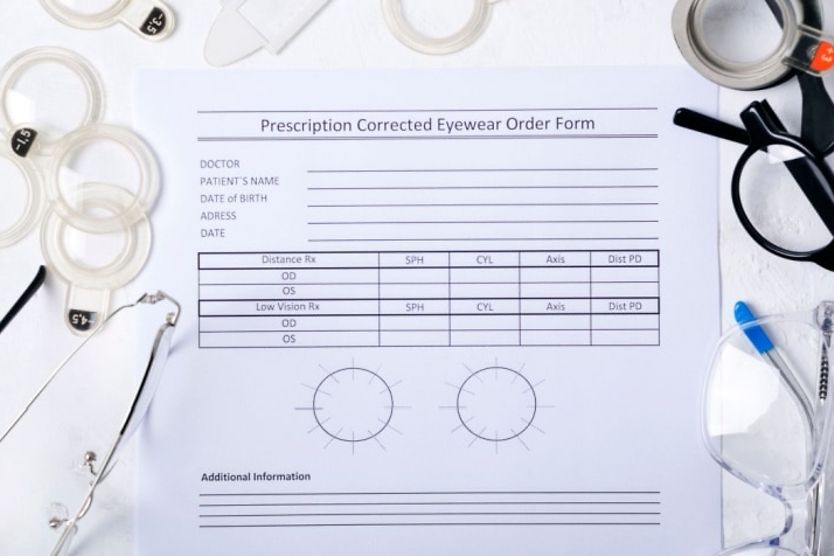
A wide variety of contact lens materials, types and designs are available. Your eye doctor can explain the different types of contact lenses and help determine the ideal option for you. They may consider factors like your eye health, lifestyle and vision needs to assist in making the safest choice for your vision correction.
To learn more about silicone hydrogel, hydrogel and other lens options, contact your eye doctor to schedule a contact lens exam.
READ NEXT: Can you buy contact lenses without a prescription?