Megalocornea: Causes, symptoms and management

What is megalocornea?
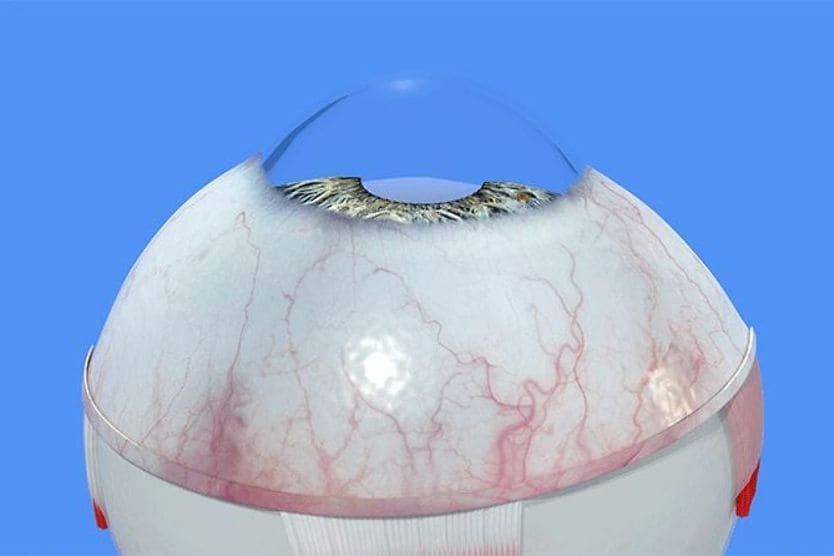
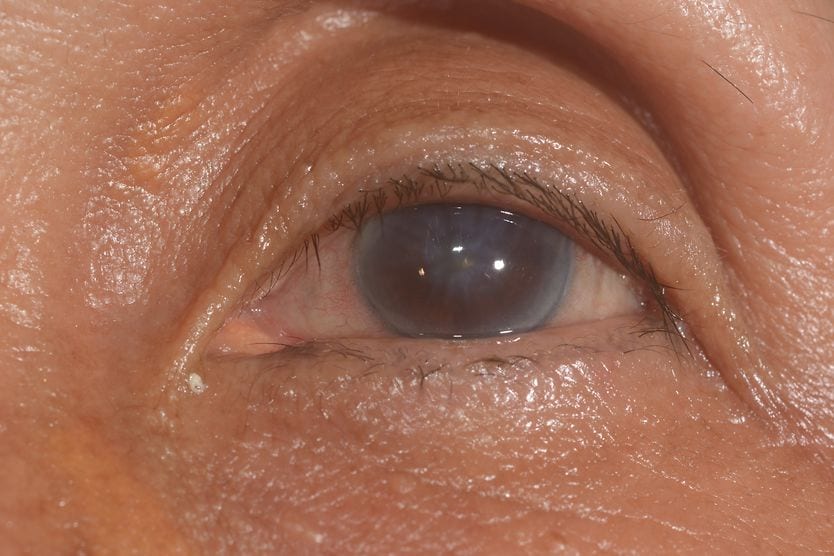
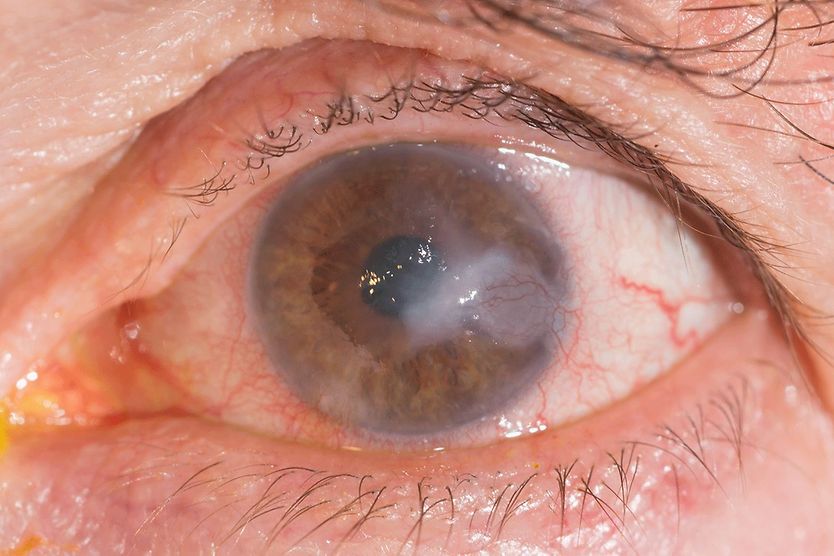
Megalocornea is a genetic condition that affects the cornea, the clear dome at the front of the eye. It makes your cornea larger than normal. It can occur as part of an underlying condition or happen on its own. In general, the vision symptoms associated with megalocornea are mild and can be corrected with glasses or contact lenses. It can be associated with a higher risk of other eye conditions like glaucoma and early cataract, so ongoing monitoring to maintain optimal vision is recommended.
Megalocornea is a rare eye condition, but researchers don’t know exactly how rare it is. It’s congenital, meaning you’re born with it. It’s more common in males, but its overall prevalence is unknown. It’s sometimes confused with anterior megalophthalmos, but these are technically different conditions on a spectrum. Megalophthalmos describes when other parts of the anterior segment (the front of the eye) are also larger than normal, whereas the cornea is the only enlarged structure in megalocornea.
Causes and risk factors of megalocornea
The majority of cases of megalocornea are caused by an inherited mutation in the CHRDL1 gene. The CHRDL1 gene codes for a protein called chordin-like 1, sometimes still referred to by the older name ventroptin. Chordin-like 1 normally helps control eye growth and development. When the protein is missing or does not work properly, the cornea and the structures behind it develop larger than they should.
The mutated gene is inherited through the X chromosome. Inheritance is X-linked recessive. This means you usually need to inherit two copies of the mutated gene to get the disease. However, males only have one X chromosome, so they only need one copy to develop the condition. This pattern of X-linked inheritance is the reason megalocornea is more common in males.
Megalocornea is called isolated or primary megalocornea when it happens on its own. When it’s caused by an underlying condition, it’s called syndromic or secondary megalocornea. It could be a sign of several syndromic conditions, including:
- Marfan syndrome – A genetic condition that results in your connective tissue being weakened and “loose.”
- Frank-Ter Haar syndrome – A genetic condition resulting in certain facial features, skeletal abnormalities and developmental delays.
- Neuhauser syndrome – A genetic condition that involves megalocornea and intellectual disability. Sometimes, it was referred to as megalocornea mental retardation (MMR) syndrome.
If megalocornea is diagnosed in a newborn, they should be evaluated for any of these underlying diseases or abnormalities. These cases are often initially evaluated by a pediatric ophthalmologist and the patient should receive routine eye exams with their ophthalmologist or optometrist depending on the required treatment.
Families in whom a CHRDL1 change has been identified are usually offered genetic counseling. Relatives may be offered testing to clarify who carries it. A change can also arise unexpectedly in a child with no family history. CHRDL1 is also not the only genetic route to an enlarged cornea. Several other genes, and some chromosome changes, can cause megalocornea to develop as one feature of a broader syndrome.
SEE RELATED: Your baby’s vision: How it develops and what to expect
Symptoms and diagnosis of megalocornea
Primary megalocornea may have no symptoms, or they may not show up until adulthood. A typical symptom is refractive error. A refractive error is when the shape of your eye causes light to focus abnormally. Myopia (nearsightedness) and astigmatism (blur due to an uneven curvature of the eye) are especially common.
SEE ALSO: Explained: Rare conditions associated with high myopia in children
Clinical features of megalocornea
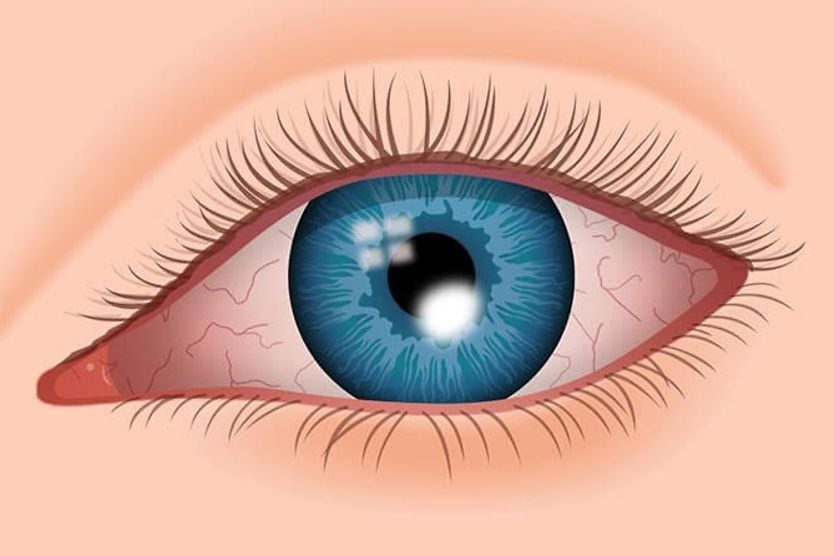
The primary feature of megalocornea is a larger-than-normal cornea. The cut-off is typically a horizontal diameter of about 13 millimeters or more in adults, with a lower threshold in infants. There may also be abnormalities in other parts of the eye. For instance, the iris (the colored ring in the eye) might be thinned. The anterior chamber (where fluid flows in and out) might also be deeper.
An enlarged cornea together with raised eye pressure points instead to congenital glaucoma, which is a more urgent condition.
The lens is attached to fine fibers called zonules, and in megalocornea those fibers are often weak. This can make the lens sit slightly off-center or shift out of position. Studies of affected eyes have found a loosened or displaced lens in roughly three-quarters of cases, along with an enlarged ciliary ring behind the iris and cataract developing earlier than usual.
Diagnostic techniques
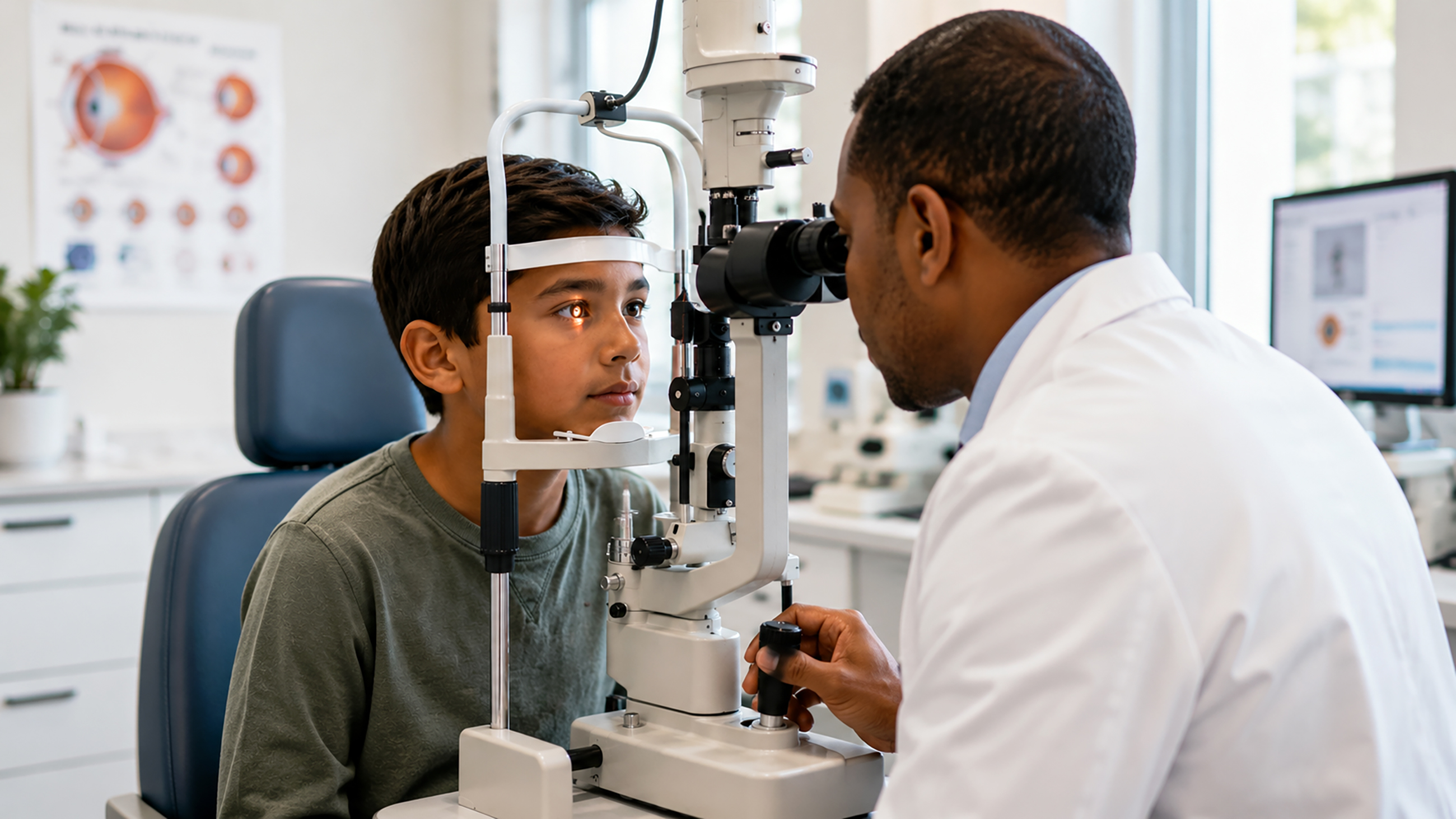
Megalocornea is usually diagnosed during an eye exam. The eye doctor may perform tests, like a slit lamp exam, to rule out other conditions. Congenital glaucoma is especially important. This can occur when parts of the eye that drain fluid don’t develop correctly. The lack of proper fluid drainage can cause pressure inside the eye to rise, which, over time, can damage the optic nerve (the structure that connects the eye to the brain). This is referred to as glaucoma.
For diagnosis, eye doctors measure corneal diameter and eye pressure together. They may also look for an anterior chamber that is deeper than normal. While the diagnosis of megalocornea is made through examination, genetic testing can also help confirm the diagnosis.
SEE RELATED: How DNA health testing can detect eye diseases
Treatment and management of megalocornea
Megalocornea cannot be cured, but its effects can be treated. Many people with this condition require no treatment beyond glasses or contact lenses, or may not need any treatment at all.
Even if treatment is minimal, regular eye exams are important. They’ll help identify any complications early.
Surgical interventions
Surgery may help some conditions caused by megalocornea. For instance, photorefractive keratectomy (PRK) may help manage myopia or astigmatism. This is a type of laser surgery that can reshape the cornea in order to correct refractive errors. This procedure is a consideration, but it is not a routine option to treat megalocornea.
Megalocornea may lead to a condition that needs surgery, including cataracts. Cataracts occur when the natural lens of your eye becomes cloudy. Cataract surgery is the most common surgical intervention related to megalocornea. The anatomy of eyes with megalocornea can make this surgery more difficult. Special techniques or materials may need to be used.
Corneal transplantation can replace your cornea with a healthy cornea from a donor. However, this procedure is typically performed when the cornea is severely damaged and is not a routine treatment for megalocornea.
Non-surgical management
Eyeglasses or contact lenses can help with most vision problems. However, given the large size of the cornea, contact lens fitting can be challenging, and special contacts, such as scleral lenses, are often necessary. Eye drops that lower eye pressure may be prescribed to treat associated glaucoma. It is recommended to see an eye doctor at regular intervals for monitoring with eye pressure checks, optic nerve assessment and examination of the drainage angle.
However, in some instances, glaucoma associated with megalocornea may require surgery.
Prognosis and long-term outlook
In general, megalocornea has a good prognosis. In many cases, there may be no symptoms besides a refractive error.
While megalocornea typically isn’t dangerous on its own, it can increase the risk of developing other eye conditions, like glaucoma or cataracts. This can be especially true for megalocornea caused by an underlying disease.
Megalocornea causes a unique eye anatomy. This may make it more difficult to treat complications, especially cataracts. Regular eye exams can help you identify these risks early.
Emerging research and advances in megalocornea
Genetic markers and variants are being researched for megalocornea and other diseases. Advances in genetic research can help identify which mutations can cause the disease. They could also help with genetic testing. Researchers are also looking at whether female gene carriers have specific physical characteristics. For instance, some females who carry the gene may have a thinner cornea.
Sometimes, there are special considerations for surgery in a patient with megalocornea. New techniques and materials are a topic of study, especially for cataract surgery and refractive surgery.
Tips and resources for living with megalocornea
Megalocornea cannot be cured, but there are long-term management strategies for its associated effects. Normal protective measures, such as using protective eyewear during activities (like sports) to prevent damage to the cornea, are recommended. Similarly, if a patient wears contacts, good hygiene should be practiced to prevent infection.
The National Organization for Rare Disorders (NORD) and the Genetic and Rare Diseases Information Center (GARD) both maintain rare disease directories that can point you toward condition-specific groups and reliable information. Patient support groups, like the Rare Disease Educational Support Program, can also help provide education and resources. Such groups may be especially helpful for megalocornea that happens alongside another condition.
Understanding and managing megalocornea
A key part of living with megalocornea is regular follow-up with your eye doctor. It doesn’t typically cause significant visual impairment. However, it could lead to earlier development of conditions, like cataracts or glaucoma. Regular appointments will help keep your vision clear and your eyes healthy.