New COVID-19 Variants May Present With Red, Itchy Eyes


Can COVID-19 cause red, itchy eyes from conjunctivitis?
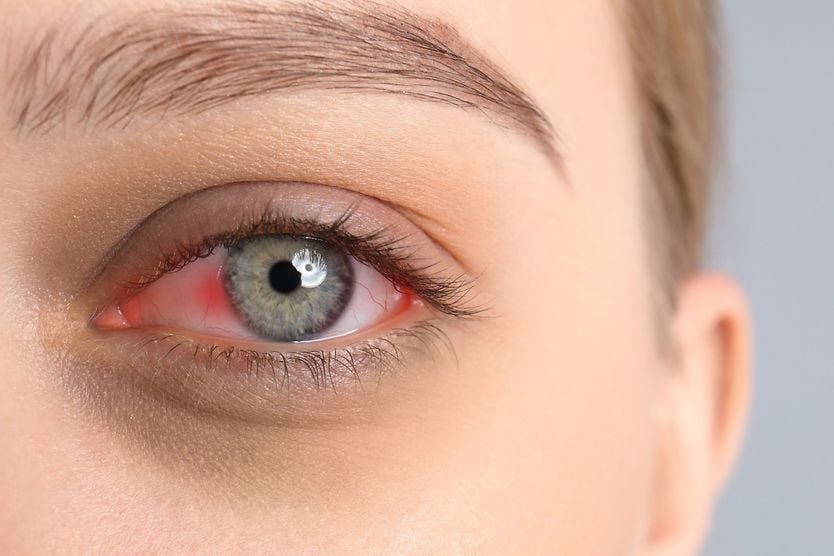
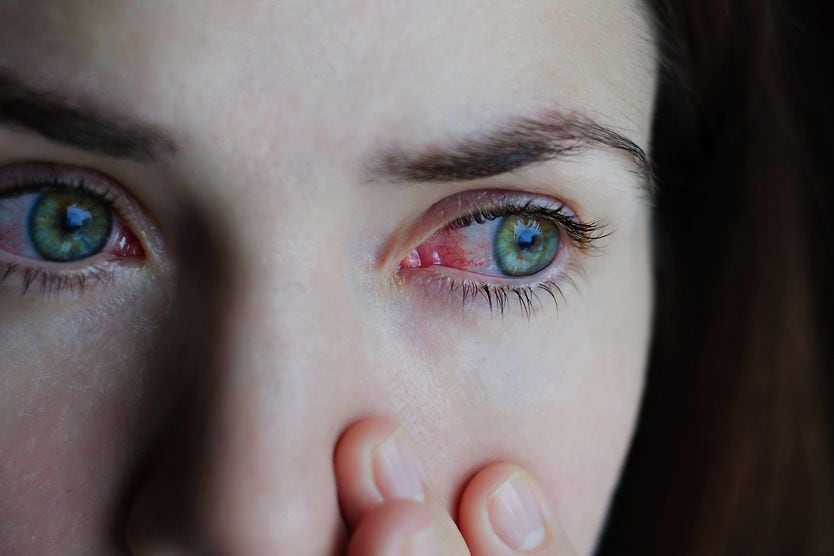
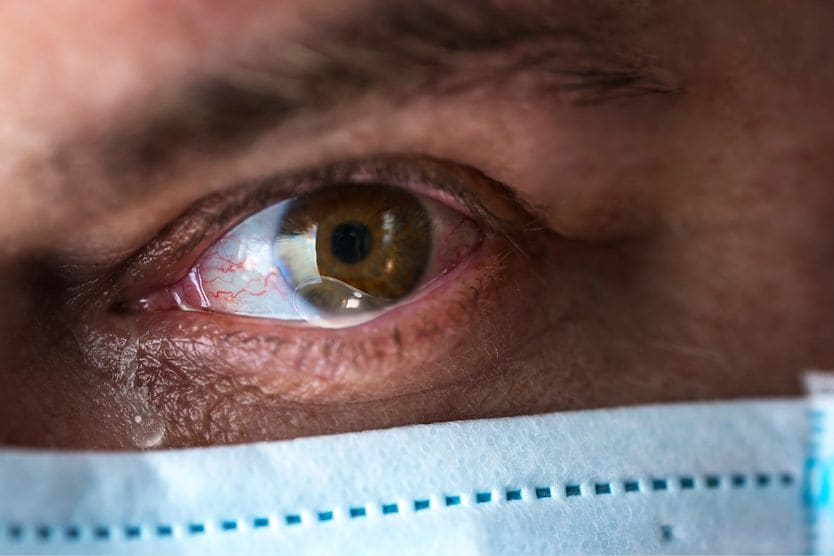
COVID-19 can cause red, itchy eyes from conjunctivitis (pink eye), although this is usually not a common symptom. However, different variants of the virus are thought to cause slightly different types of symptoms.
For example, the Omicron variant called Arcturus seemed to increase the risk of conjunctivitis in young patients. The XFG variant, also called Stratus, is known for its “razor blade” sore throat symptom.
Earlier COVID-19 studies found that eye symptoms occurred in only about one in 10 patients. A more recent review found that around 11% of COVID infections cause eye symptoms, and 88% of those are caused by pink eye.
Health experts have suggested that it may make sense to test for COVID-19 if someone has pink eye, especially with respiratory symptoms. This appears particularly true for children.
What do we know about COVID-19 and conjunctivitis?
When COVID-19 infection causes eye symptoms, conjunctivitis is the most common cause. But overall, eye issues are not reported as frequently as fever, runny nose, cough and fatigue.
The implication is that the Arcturus variant affected the eyes more than other COVID-19 variants have so far. But experts have cautioned that itchy, red eyes are common in the spring due to seasonal allergies, and it is not yet clear whether new variants may cause pink eye symptoms. With that said, they still recommend testing to rule out COVID-19.
What are common eye symptoms of COVID-19?
A recent meta-analysis looked at the most common eye symptoms reported in nearly 40 studies by more than 8,000 patients with COVID-19. It found that conjunctivitis was by far the most common eye condition — reported in 90% of cases when the eyes were affected during a COVID-19 infection.
The most frequently reported eye symptoms were:
- Dry eye or foreign body sensation (16%)
- Eye redness (13%)
- Tearing (13%)
- Itching (13%)
- Eye pain (10%)
- Discharge (10%)
The conclusion of the analysis was that about one in 10 COVID-19 patients showed at least one eye symptom. As more information becomes available about new variants, the frequency of COVID-19-associated conjunctivitis will become better understood, and additional studies will reflect the new data.
How does COVID-19 cause conjunctivitis?
Conjunctivitis is an inflammation of the thin, clear tissue that covers the inside of the eyelids and lies above the whites of the eye. Researchers have found that the COVID-19 virus is present in the eye’s tear film. Exposing the conjunctiva to a virus can cause it to become inflamed and irritated.
Symptoms that usually accompany conjunctivitis include:
- Redness
- Sensitivity to light
- Watery eyes or eye discharge
- Itching
- Pain around the eyes
- Overall swelling and irritation
It is difficult to know if a particular virus is the cause of specific symptoms. But it is not uncommon for viruses that cause a respiratory illness to also cause conjunctivitis.
How to lower your risk of COVID-19 and viral conjunctivitis
The COVID-19 virus is spread mainly through contact with respiratory droplets. It is contagious, even if a person doesn’t show any symptoms. There are several simple ways to prevent the spread of viral infections.
To help prevent spread:
- Stay up to date on immunizations.
- Wash your hands frequently.
- Don’t go out in public if you are sick, and avoid close contact if others are sick.
- Avoid touching your eyes, mouth or nose.
- Direct sneezes away from other people.
- Wear a face mask when possible.
- Disinfect surfaces regularly, and use hand sanitizer.
- If you suspect that you are infected with COVID-19, take a test to prevent spreading the virus to others.
When to see a doctor
If you or your child have cold or flu-like symptoms and/or symptoms of pink eye, it may be beneficial to contact your doctor’s office, in addition to taking a COVID-19 test.
Currently, conjunctivitis is not a common symptom in individuals with COVID-19. But like with the Arcturus variant, it is possible that conjunctivitis may be added to the list of common COVID-19 symptoms again in the future.