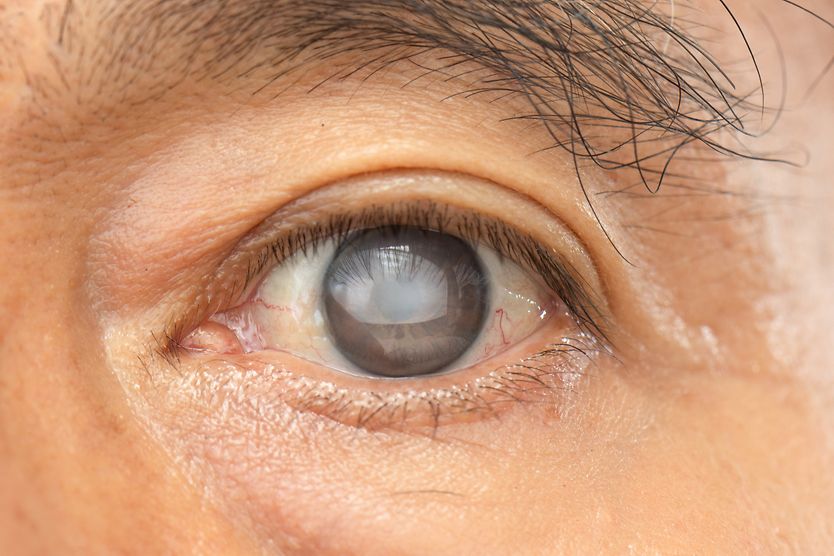
Is it possible to get rid of cataracts naturally?

Currently, the only proven ways to remove cataracts are traditional cataract surgery and laser cataract surgery.
But what if you can’t afford cataract surgery? Are you out of luck if you have an eye condition that makes surgery dangerous or impractical?
Researchers are finding promising signs that medications might one day treat cataracts without surgery — but only after more research. A few animal studies have produced intriguing results with medications. The sticking point is whether they’ll work on humans.
If surgery is the only option, then why are there so many so-called natural remedies for cataracts on the market? And what do we know about home remedies for cataracts?
Cataract surgery vs. natural and nonsurgical remedies
Cataract surgery swaps the natural lens with a synthetic replacement. The surgery is considered safe and effective, but there’s always a slight risk of complications.
These complications underscore the importance of finding ways to reduce or eliminate cataracts without surgery. If you’ve been diagnosed with cataracts, it’s only natural to want non-surgical alternatives. Unfortunately, they just aren’t available yet.
With age, cataracts can form when some of the proteins within the eye’s lens degenerate into small clumps that interfere with the lens’s natural transparency. The exact cause of this change is not known, which is one reason why proven nonsurgical and natural treatments for cataracts have been so elusive.
That has not stopped researchers and doctors, particularly naturopathic doctors, from trying to find them. However, the effectiveness of home remedies for cataracts has not been established definitively in experiments with human subjects. That means the talk about alternatives is more speculation and anecdotal evidence than medical fact.
Are there any homeopathic remedies for cataracts?
Homeopathic remedies have been around for centuries. They typically involve small doses of naturally occurring substances. Experts suggest a healthy degree of skepticism about the effectiveness of homeopathic treatments, including those said to be alternatives to cataract surgery.
That’s not to say science is ruling out the efficacy of homeopathy for cataracts. Experts published a review of studies pointing to three compounds — lanosterol, 25-hydroxycholesterol and rosmarinic acid — that helped clear up cataracts under certain conditions. The review noted that further research on those compounds could produce promising nonsurgical treatments for cataracts.
Homeopathic cataract remedies may help some people in ways that experiments cannot detect.
However, it is important to talk with your eye doctor before trying them. Some home remedies you read about may be safer than others, and some may cause interactions with medications you’re already taking.
- Apple cider vinegar. You may find references to apple cider vinegar for cataracts. Again, this is a home remedy that has no proven effectiveness. It could help because apples contain antioxidants, which are generally good for eye health, but the lack of scientific evidence is cause for caution.
- Honey. You might have heard that honey can cure cataracts. While natural honey has anti-inflammatory and anti-bacterial properties that can be good for overall health, there’s little evidence that it has any impact on cataracts.
- Medical plants. A study looked at dozens of medicinal plants and natural products used for cataracts. While the study does not conclusively identify plants that will prevent the need for cataract surgery, it did provide context on biochemical processes in the human body that might contribute to cataract formation. Understanding these processes can help you make smarter dietary decisions that can improve eye health.
SEE RELATED: Cataracts: marijuana and CBD
Nutrition, diet and cataracts
Your diet can help your body heal quickly and limit damage from inflammation and other risks. This can bolster the strength of your eyes, which in turn may reduce cataract risks or slow their advancement.
- Eating more fruits and vegetables. Your body’s metabolism includes a process called oxidation that can damage tissues throughout the body, including the eyes. Compounds called antioxidants counteract these forces. That’s why you’ll often see recommendations to eat fruits and vegetables that contain lots of antioxidants.
- Avoiding fatty processed foods. Studies have associated consumption of high-fat and processed foods with higher rates of cataracts. These foods also contribute to obesity and other risky conditions that you’re better off avoiding.
- Trying more fish. Seafood usually has high levels of omega-3 fatty acids that might prove beneficial to eye health.
A few studies have found that taking vitamin and mineral supplements might be helpful, but the overall body of research is inconclusive.
Is it wise to seek out natural remedies for cataracts?
Scientific studies cannot prove or disprove the efficacy of every supplement or treatment for every person. You can find people saying, “product X worked great for me” and discover it does no good for you. And supplements or herbal remedies might work for you even though the science says otherwise.
When it comes to your eye health, the ideal path is to follow proven science, maintain a cautious, skeptical view of unproven treatments and consult with an eye care professional before trying anything that might affect your vision.