When Are Cataracts Bad Enough To Require Surgery?

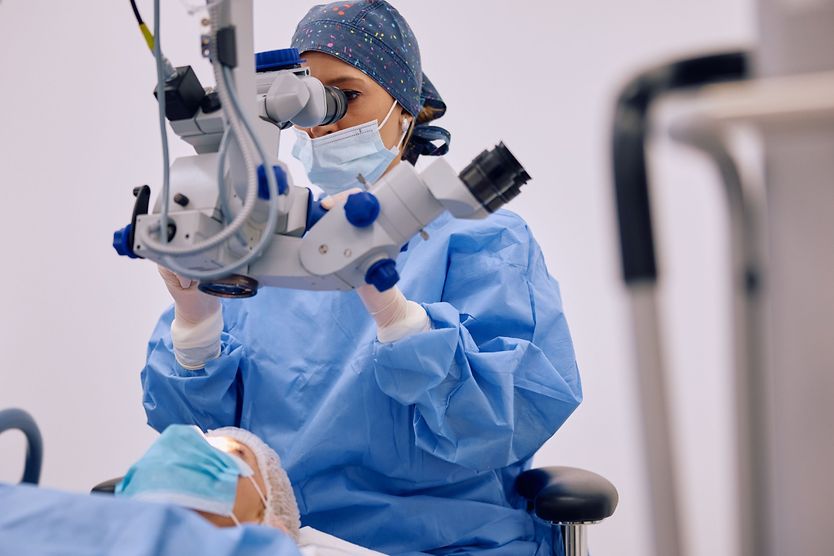
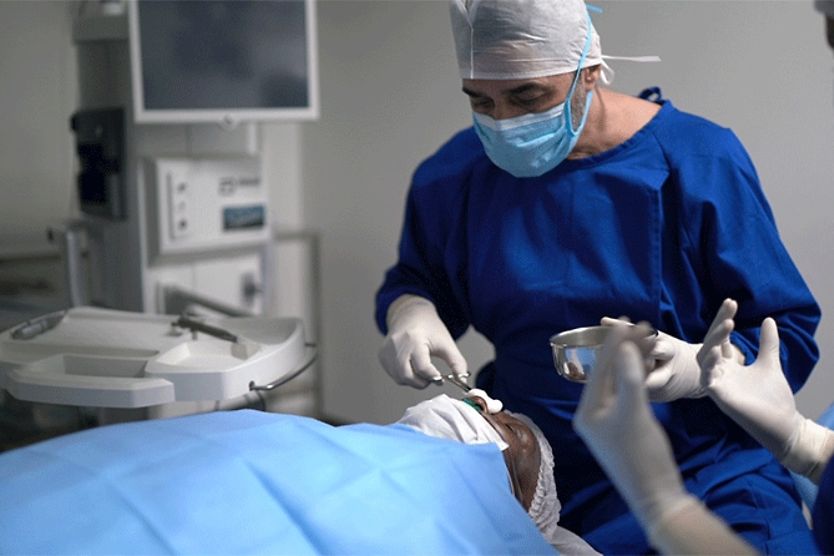
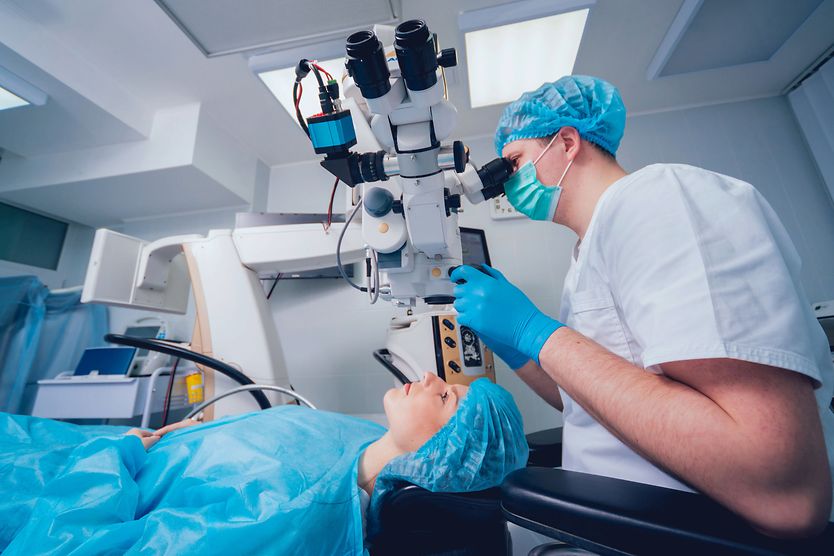
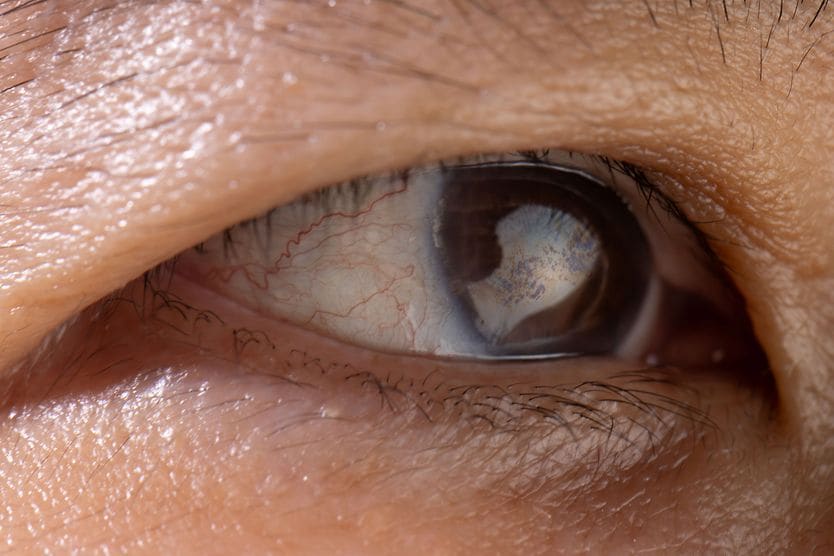
When is the "right time" to have cataract surgery? If you are noticing vision problems and have been told you have cataracts, it's likely your cataracts are bad enough to require surgery.

In some cases, people experience bothersome vision problems such as glare and halos at night even before their eye doctor notices significant clouding of the lenses in their eyes during a dilated eye exam. This condition — called dysfunctional lens syndrome — often is reason enough for many people to consider cataract surgery, especially if they need better visual acuity for driving at night.

If your night vision is blurry and headlight glare is bothersome when you drive, you may need cataract surgery.

However, financial considerations and insurance requirements also are factors when considering the best time to have cataract surgery.

Some insurance companies (including Medicare) consider cataract surgery to be "medically necessary" and a covered service only after the cataract has caused corrected visual acuity to be reduced below a specified level. Often, this criterion is 20/40 or worse (20/40 is the legal vision requirement to get an unrestricted driver's license in most states).

Be sure to review the details of your insurance policy with your insurance agent or your eye doctor's staff so you understand if your vision qualifies you for coverage of your cataract surgery as a medically necessary expense.

If you plan to pay for your cataract surgery completely out-of-pocket, you can have the procedure done at any time, provided your cataract surgeon feels you are a good candidate and that you will benefit from surgery.

More Articles
illustration of the four main steps in cataract surgery

Cataract Surgery: Procedure, Description, Options

Everything you need to know about cataract surgery. Find out how surgery is done, how to prepare and the risks involved with cataract treatment.

woman in a car after having cataract surgery

How Long After Cataract Surgery Can You Drive?

You can't drive yourself home, but you may be able to drive the day after cataract surgery. Here's what your doctor will check before clearing you to drive.

Can Cataract Surgery Correct Astigmatism?

Learn about whether cataract surgery can fix astigmatism from eye surgeon Vance Thompson, MD.

Can Cataract Surgery Correct Lazy Eye?

Cataract surgery corrects vision loss caused by a cloudy lens. Can it also correct amblyopia (lazy eye)?

Does Medicare Cover Cataract Surgery in 2025?

Medicare covers cataract surgery costs when it's

posterior capsular opacification

What Are Secondary Cataracts (Posterior Capsular Opacification)?

Posterior capsular opacification is also known as a

doctor performing laser cataract surgery on patient

Laser Surgery For Cataracts

Laser cataract surgery uses lasers instead of handheld tools during certain parts of the procedure. Find out who could benefit most from this modern surgery.

Cataracts: Articles on Causes, Symptoms & Treatment

Learn about cataracts with our articles on causes, symptoms, and treatments to help you maintain healthy vision.

doctor performing laser cataract surgery on patient

Cataract Surgery Video: What to Expect During & After Cataract Surgery

Are you a candidate for cataract surgery? Learn the symptoms that may indicate a need for cataract surgery; what to expect during and after cataract surgery.

Will I Need Glasses After Cataract Surgery?

Cataract surgery may be able to reduce or eliminate your need for eyeglasses. Find out more.