Introduction to water sports sunglasses
Choosing sunglasses or “shades” for water sports can be a struggle. It’s recommended to find a pair that fits your face and makes sense to wear during your preferred water sport. The goal for water sports sunglasses is to protect your eyes from the sun’s harmful rays and the intense reflection off the water.
If you go windsurfing, for example, you wouldn’t worry about losing your sunglasses while catching a big wave. Nor would you want to fear rough waters damaging your lenses on a kayaking trip.
No one pair of sunglasses is optimal for every type of water sport. But it is recommended to look for shades that provide sun protection, anti-glare and durability for your specific needs.
Key features to look for in water sports sunglasses
Certain features can make a difference in your clarity, performance and safety on the water. Here are some sunglass features to consider:
Impact resistance
Sunglasses can become damaged or the lenses can shatter if they are hit hard enough, which can happen during certain water sports. Look for sunglasses with lenses that are less likely to shatter, such as those made from plastic or polycarbonate. Since some of these lenses can scratch more easily, you might consider adding a scratch-resistant coating for further lens protection.
Anti-fog lens coating
Sunglasses that have ventilation help prevent your lenses from fogging up. Sunglasses can become foggy due to condensation, which happens when warm, moist air from your skin contacts a cooler lens surface. The more ventilated your sunglasses are, the less they will tend to fog up.
Your sunglass lenses will likely get wet while you are participating in water sports, which can make it difficult to see. A hydrophobic coating helps prevent fogging and creates surface tension on your lenses. This repels the water and keeps your vision clearer.
For optimal performance, consider lenses with both hydrophobic (water-repelling) and oleophobic (oil-repelling) lens coatings. These coatings will help “waterproof” your sunglasses and protect them from exposure to the elements.
READ MORE: Common lens coatings for glasses
Floating sunglasses

Sudden or abrupt movements can cause your sunglasses to come off and fall into the water. Sunglasses made from materials that tend to float, such as lightweight plastics or bamboo, can be helpful for this situation. If they slip off, you can pick them right back up off the surface of the water.
Wraparound frames

Due to their unique design, wraparound sunglasses are more likely to stay in place during water activities. They can also shield your peripheral vision from the sun, glare and even wind that may dry out your eyes.
In addition to these features, be sure to consider sunglasses with full ultraviolet (UV) protection. Polarized sunglasses are an option too. Here’s why:
UV protection: Shielding your eyes from harmful rays
Protecting your eyes from the sun should be a top priority when selecting sunglasses and even more so when on or near the water.

UV exposure can increase the risk of eye damage and certain eye diseases. Look for sunglasses that provide 100% UV protection or UV 400-blocking protection. UV 400 provides nearly 100% protection from harmful ultraviolet light rays. It blocks light rays with wavelengths up to 400 nanometers, including UVA and UVB rays. Sunglasses should indicate this amount of protection on their label.
Polarized lenses: Reducing glare for better clarity
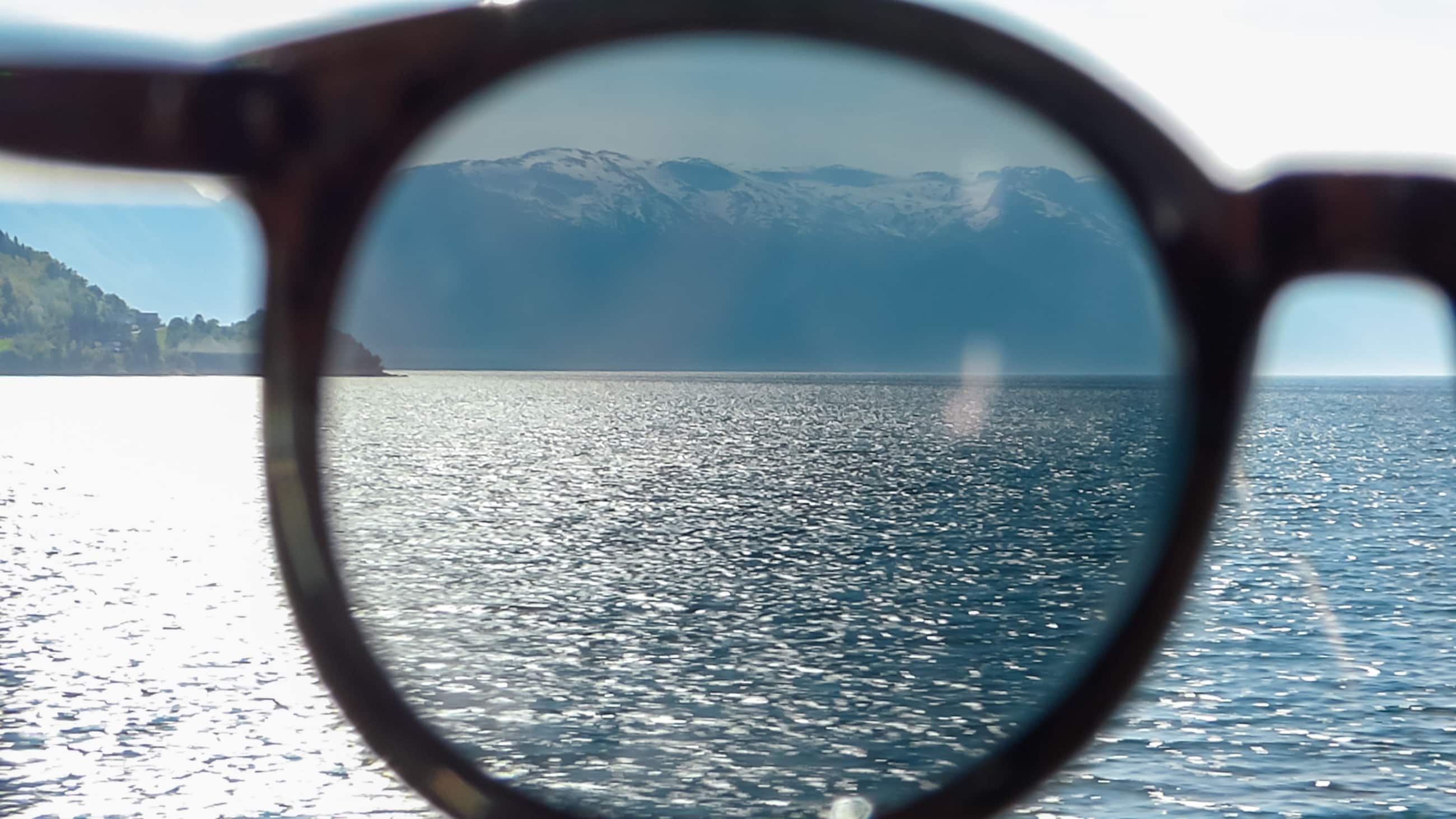
Polarized sunglasses are highly recommended for use during water sports to prevent intense glare. Glare is caused by light reflecting off smooth, shiny surfaces like water, which can make it hard to see clearly.
Polarized sunglasses have an anti-reflective coating that blocks light reflecting off the water. This can help reduce glare and discomfort while allowing you to see more clearly when looking beneath the surface of the water, which is great for fishing and boating.

Polarization and UV protection are not synonymous, so be sure the polarized sunglasses you choose also have the proper UV protection.
Choosing the right sunglasses for your water sport
Specific water sports, like kayaking, windsurfing and kiteboarding, may require certain features beyond UV protection and impact resistance. Here are some things to consider for each:

Kayaking: Navigating sun and water
Kayakers can face several challenges due to sun glare and water reflection. To overcome these factors, consider features, such as:
- Polarized lenses
- Lightweight frames
- Buoyant materials
- Hydrophobic lens coatings
- Anti-fog lens coatings
Blue and gray lens tints are also ideal for very bright conditions. Each of these features is also helpful for those who enjoy water sports, like canoeing and paddleboarding.
Kiteboarding: High-speed eye protection
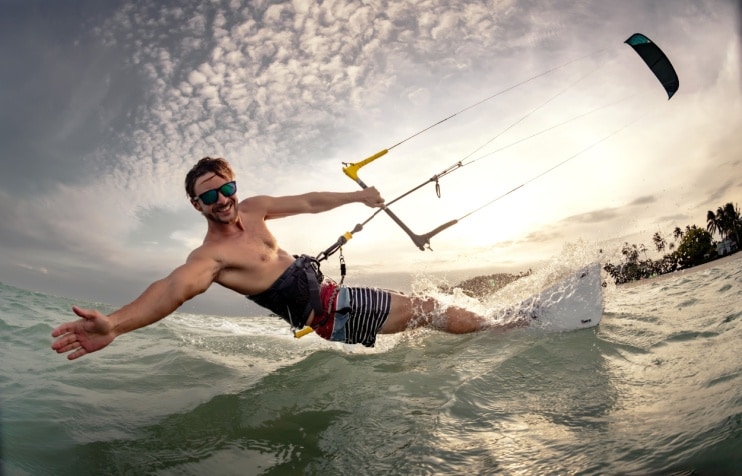
When kiteboarding, shielding your eyes from wind and other elements is crucial. Important sunglass features to look for include:
- Polarized lenses
- Frames with an adjustable head strap (or wraparound frames)
- Ventilated frames
- Hydrophobic lens coatings
Both hands are used at the same time in kiteboarding, so adjusting your sunglasses can be challenging. Make sure your frames are comfortable and protect you from wind, water and sun as best as they can.
Windsurfing: Tackling wind and waves
Windsurfing involves high winds and a risk of colliding with the water at high speed. During this water sport, wind and water protection are vital. Sunglasses for windsurfing should include features, such as:
- Polarized lenses
- Frames with an adjustable head strap
- Ventilated frames
- Hydrophobic lens coatings
- Anti-fog lens coatings
They should fit securely and comfortably for long wear since it can be difficult to adjust your frames while riding.
Maintenance tips for water sports sunglasses
Cleaning and storing your sunglasses properly can help them last. Here are some tips to keep in mind when caring for your sunglasses:
- Store your sunglasses in a protective case when they’re not in use.
- Clean your sunglasses properly.
- Ask an optician to make fitting adjustments when needed.
Clean your sunglasses after every use, too. Sweat, sunblock, sand and salty debris can cause buildup that may impact their quality. Smudges and dirt can also settle in your sunglasses, especially in high-impact environments.
If you have any questions about caring for your water sport sunglasses, be sure to ask your eye care professional.
Elevate your water sports experience
Sunglasses with advanced lens coatings, durability and sun protection can be a smart choice for any water sports enthusiasts. Whether you enjoy water sports professionally or recreationally, it’s important to protect your eyes while on the water.
Keep these tips in mind as you search for that perfect pair of shades. You can also consult your optician or eye doctor for professional recommendations.