5 signs your glasses don’t fit

You’ve found what appears to be the ideal set of eyeglass frames to match your unique style, but the fit falls flat.
Here are some common signs your eyeglasses may not be the right fit for you (and how to make fixes).
1. Nose sliding
Do your glasses slip down your nose when you tilt your head? You may have a low nose bridge.
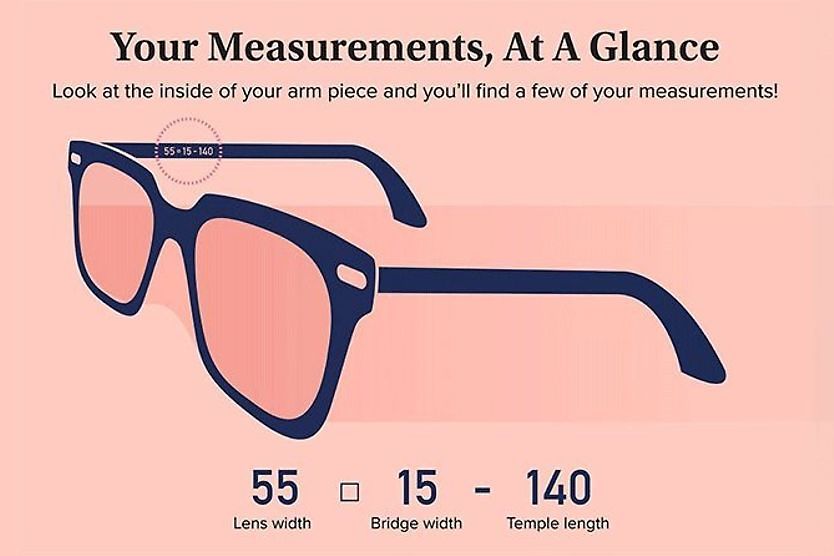
It is recommended to look for eyeglasses suited for lower nose bridges, such as rectangular or horn-rimmed, and pay attention to bridge width.
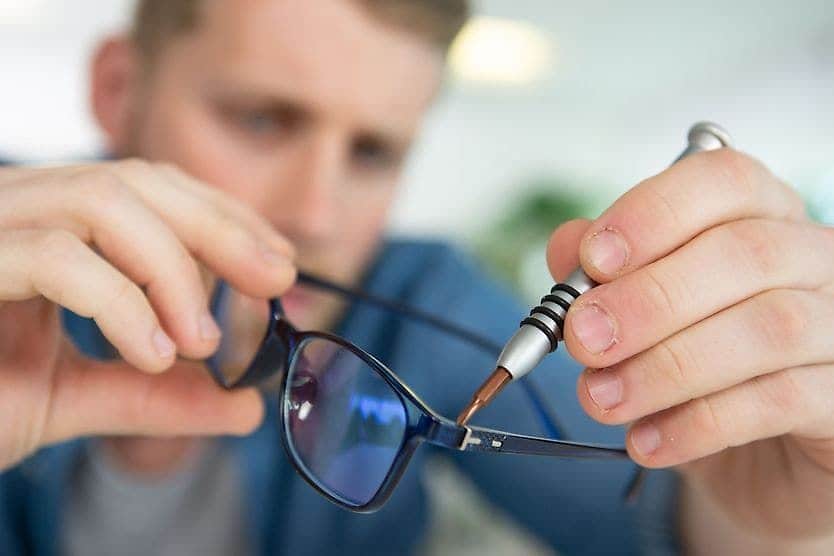
If you have glasses with nose pads, try adjusting these by squeezing them inward to rest on your nose.
2. Looseness
When you do a double-take, do your glasses take off? They may be too loose around your ears.
Try running your glasses under warm water and bend the temple arms down slightly.
Alternatively, you might consider investing in smaller-sized frames better suited to your unique face shape.
3. Pinching
Do your glasses leave unsightly spots on your nose bridge?
While many eyeglasses sit on top of the nose, metal frames rely on nose pads to evenly distribute weight. When they’re set incorrectly, they can leave marks and cause painful pinching.
You can adjust your nose pads so they are flush against your face or have your optician make the adjustment for you. He or she may even recommend you go with a different nose pad material such as silicone or acetate.
If you are noticing pinching with plastic frames, your frames may be too heavy or your bridge width may be too small. Consider lighter weight lenses and frames with a slightly wider bridge.
4. Tightness
Do your glasses leave marks on your cheeks? Your eyeglasses may be too tight at the temples or around the ears.
Again, you can run your glasses under warm water to make a temple arm adjustment. But this time, bend the arms up instead of down.
If you are still experiencing discomfort, you may need to invest in larger frames.
5. Eye strain
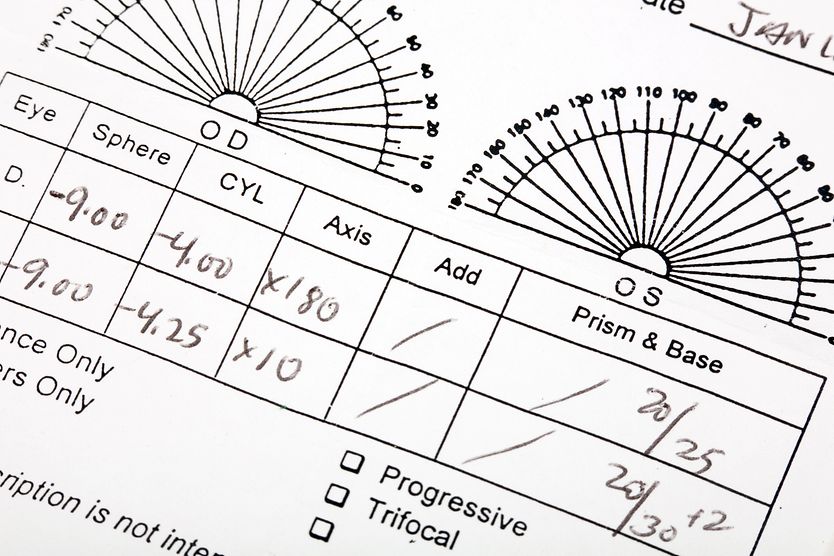
Even if you found the right size frames, you may still experience eye strain or headaches. This could be a sign that your pupillary distance (PD) was measured incorrectly.
PD, the distance between your pupils, drives comfort in how well your glasses will fit, and it’s just as important as your prescription when ordering eyeglasses online. You can learn more about this important measurement and how to find it in our online pupillary distance guide.
For the ideal glasses to fit your face and to potentially reduce discomfort caused by poor-fitting glasses, it is recommended to schedule an eye exam today.