The COVID-19 vaccine: Will it affect your vision?


COVID vaccines and vision
Fear of side effects, vision problems included, is the biggest reason why some people are hesitant to get a COVID-19 vaccine. Currently, there’s no evidence that any of the available COVID-19 vaccines cause widespread vision-related side effects.
The vast majority of vaccine side effects are mild.They do not include eye- or vision-related symptoms.
These common side effects include:
- Pain, redness and/or swelling in the arm where you got the injection
- Fatigue, headache, muscle pain, chills, fever and/or nausea
These common reactions usually go away within a few days.
SEE RELATED: The controversial use of ivermectin as a COVID-19 treatment
Eye problems connected to other vaccines
While the COVID-19 vaccines have, so far, not caused notable side effects related to vision, vaccines for several other conditions have been linked to eye and vision problems.
Seasonal flu vaccine
In rare cases, some patients who’ve received the flu vaccine experienced mild symptoms, like eye redness, eye pain and blurred vision.
Common side effects of the flu vaccine include:
- Soreness, redness or swelling at the injection spot
- Headache
- Fever
- Nausea
- Muscle aches
Measles-mumps-rubella (MMR) vaccine
Some research has shown that optic neuritis is a rare complication from the measles-rubella (MR) vaccine. Optic neuritis is inflammation affecting the optic nerve that sends signals from the back of the eye to the brain.
Common side effects of the MMR vaccine include:
- Fever
- Mild rash
- Swollen cheek or neck gland
- Temporary joint pain (mostly in teenage and adult females)
Rare side effects include short-term seizures and low platelet count. In extremely rare cases, the MMR vaccine can cause deafness, long-term seizures, coma or brain damage.
Chickenpox and shingles vaccines
One study found rare instances of corneal inflammation in children (chickenpox) and adults (shingles) after they received the zoster virus vaccine for both conditions.
Common side effects from the chickenpox vaccine include:
- Soreness and a mild rash at the injection spot
- Temporary joint pain and stiffness
- Fever
For the shingles vaccine, common side effects are:
- Soreness, redness and swelling at the injection site
- Tiredness
- Muscle pain
- Headache
- Shivering
- Fever
- Stomach pain and nausea
Measles can cause eye problems
Around the world, measles causes as many as 60,000 cases of blindness each year. Other potential vision issues associated with measles include:
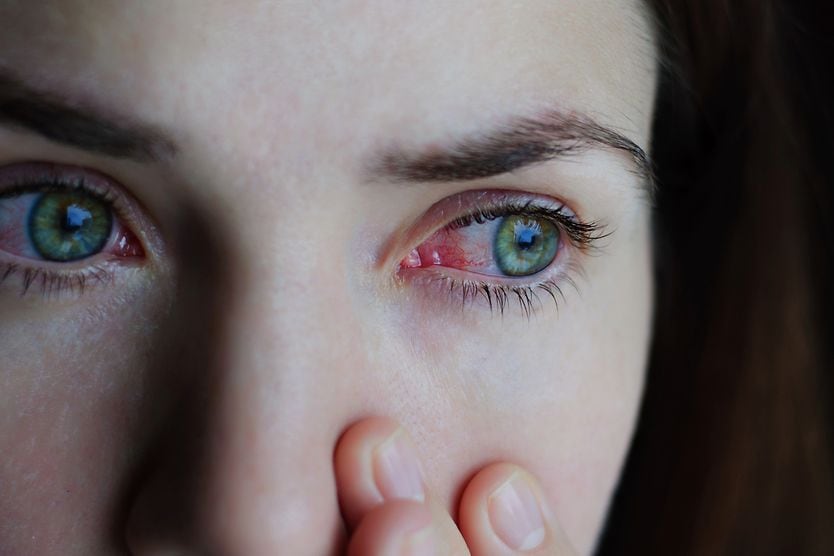
- Red and watery eyes triggered by pink eye (conjunctivitis)
- Keratitis and scarring of the cornea
- Retinopathy
- Optic neuritis
- Childhood blindness
The measles vaccine is the best option for preventing the disease and, therefore, preventing measles-related vision problems.
SEE RELATED: 6 ways measles can affect eyesight
Shingles vaccine can prevent vision problems
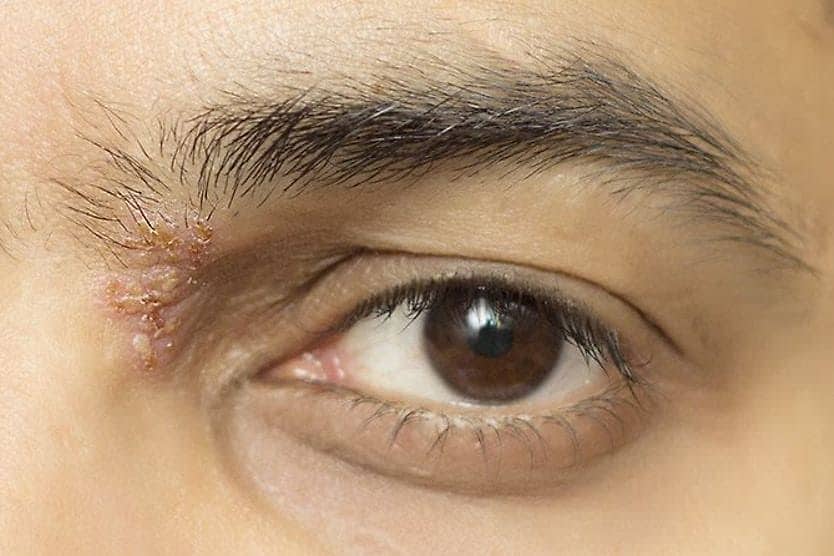
It is recommended that people 50 and over get the shingles vaccine to prevent herpes zoster ophthalmicus (HZO), an eye infection which can cause blindness.
If the shingles virus infects the nerves of the eye it can lead to:
- Eyelid rash
- Conjunctivitis (pink eye)
- Corneal infection and inflammation
- Blurry vision
- Sensitivity to bright light
- Pain and swelling inside the eye called uveitis
- Swelling of the optic nerve behind the eye
- Corneal breakdown requiring a cornea transplant
- Acute retinal necrosis
SEE RELATED: Shingles in the eye (ocular shingles)
COVID eye problems in children
While COVID-19 vaccines haven’t been tied to serious vision issues, researchers have detected eye problems in a number of children with the disease itself.
A recent review of multiple studies found that the most common eye problems in children included:
- Eye discharge
- Conjunctivitis (pink eye)
- Eye rubbing
- Eye pain
- Eyelid swelling
Currently, the most common pediatric symptoms overall are fever and cough, according to the CDC.