Exotropia Types, Symptoms and Treatment


What is exotropia?
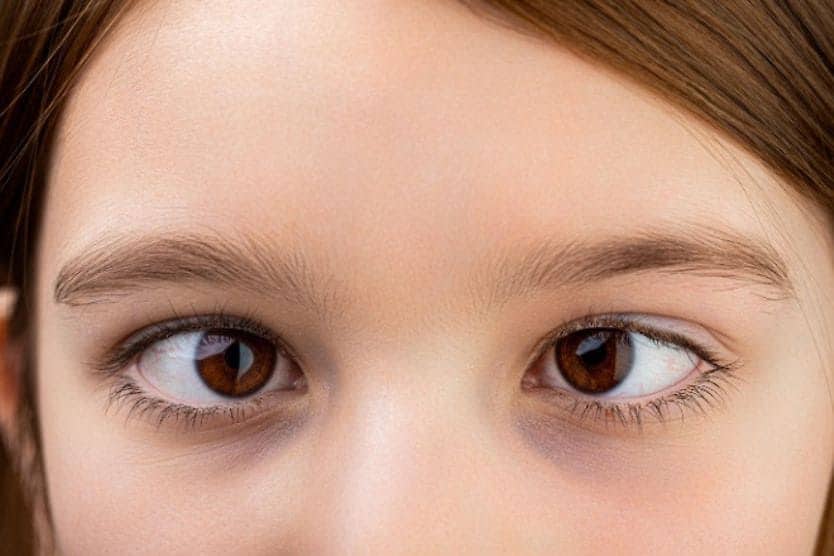
Exotropia is an outward turning of one or both eyes. It is a common type of eye misalignment accounting for about one -quarter to one-third of childhood strabismus cases in the United States. There are different types of exotropia based on the onset and frequency of presentation.
A person’s exotropia may be visually noticeable either all the time or just sometimes. It can be present at birth or occur later in life. This condition can usually be managed or treated, but the strategy will vary based on type and severity. In some cases, the condition may resolve on its own.
Esotropia is another type of strabismus. The main difference between exotropia and esotropia is that in exotropia, the eye turns outward, while in esotropia, the eye turns inward toward the nose.
Types of exotropia
Each type of exotropia can have different causes and levels of severity.
Intermittent exotropia
Intermittent exotropia is the most common type of the condition. By adulthood, around 1% of people in the U.S. develop some degree of intermittent exotropia. This is when the eye drift only happens occasionally, often as a result of:
- Fatigue
- Illness
- Gazing into the distance or daydreaming
- Focusing on faraway objects
In some cases, intermittent exotropia can become more frequent or persistent over time. It’s important to manage exotropia at an early age to prevent the development of amblyopia, commonly known as lazy eye.
Some children with intermittent exotropia may develop refractive errors, such as nearsightedness, as they grow. This is thought to result from multiple factors, rather than a single factor, and the relationship between these conditions is not yet well-established.
Congenital (infantile) exotropia
Congenital exotropia, sometimes called infantile exotropia, can happen at birth or early on in life. It is often noticed between 4 and 6 weeks of age.
Mild cases often don’t need to be treated and go away on their own between the ages of 6 and 8 weeks.
If you continue to see misalignment in your child’s eyes beyond a few months of age, contact an eye doctor for an exam.
Acquired exotropia
Exotropia can be acquired as a result of other health conditions, especially those that affect the brain, such as:
- Stroke
- Trauma
- Down syndrome (although esotropia is more common)
- Cerebral palsy
- Brain tumor
Other conditions, such as cataracts and glaucoma, can also increase the risk of developing acquired exotropia.
Sensory exotropia
When vision is reduced in one eye, binocular vision — the ability of both eyes to work together — can become impaired. Without clear vision from both eyes, the brain may struggle to maintain proper eye alignment, causing the weaker eye to drift outward. This condition can develop at any age.
Consecutive exotropia
Consecutive exotropia can develop after surgery that was performed to correct esotropia.
Some research shows that factors such as vertical misalignment or difficulty with binocular vision increased the risk of developing consecutive exotropia after a procedure. If you’re considering eye alignment surgery, talk to your eye doctor to understand whether you're at increased risk.
SEE RELATED: Exophoria: What is it and how does it affect vision?
Exotropia symptoms
The most noticeable feature of exotropia is an outward turning of the eye away from the nose.
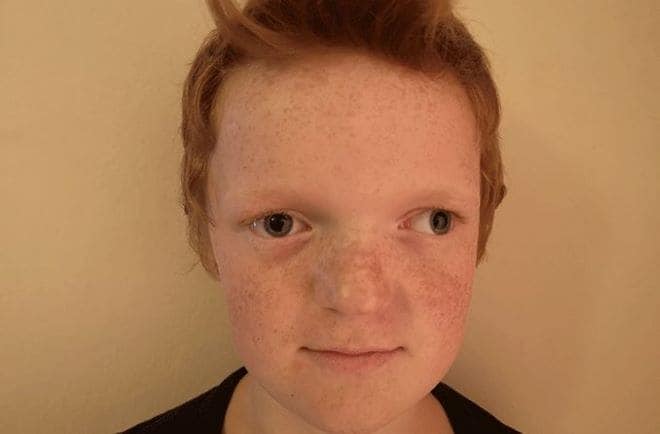
But there are symptoms that can occur in addition to — or as a result of — this misalignment, including:
- Eye strain
- Blurry vision
- Headaches
- Light sensitivity
- Reduced depth perception
- Decreased vision in the affected eye
Exotropia symptoms can vary in frequency. If you experience one or more symptoms, talk to an eye doctor for further evaluation.
What causes exotropia?
Exotropia occurs when something changes the way the eye muscles work together with the brain.
The condition can be inherited or acquired due to another health condition, including stroke, trauma or a cataract.
Some cases of exotropia occur without any apparent health problems or family medical history. In these cases, the cause is considered unknown.
Diagnosing exotropia
An eye doctor can diagnose exotropia by checking for symptoms, evaluating family medical history and performing a comprehensive eye exam that includes tests such as:
- An eye alignment test, also known as a cover test
- A depth perception test
- A corneal light reflex test
A cycloplegic refraction may also be performed. During this test, special eye drops are placed onto the eye to temporarily relax the eye’s focusing muscles. This allows the eye doctor to measure refractive error more accurately.
SEE RELATED: Why kids’ eye exams are so important
Exotropia treatment
Exotropia can sometimes be corrected with glasses, but surgery may be necessary to restore proper eye alignment. Treatment will vary depending on the severity of exotropia.
Some cases will have a relatively simple treatment plan, such as prescribing minus lenses, bifocals or prism, while others may require surgery. Cases of intermittent exotropia, which occur occasionally, may only need monitoring.
Nonsurgical exotropia treatment
If exotropia is constant, an eye doctor may recommend:
- Prescription eyeglasses to correct any refractive error
- Placing a patch over the stronger eye to strengthen the weaker eye
- Vision therapy, which includes exercises and activities to improve eye alignment
Surgical intervention for exotropia
Some cases of exotropia will require surgery on the lateral rectus muscle or the medial rectus muscle to realign the eyes.
For children with congenital exotropia, surgery is usually recommended early in life to maximize vision benefits and reduce the risk of complications.
Adults can also choose to have exotropia surgery, but the procedure may only affect the appearance of the eyes.
Don’t wait to treat exotropia
Exotropia is usually treatable, but it can get harder to treat as it progresses. An eye doctor can help manage the condition and its symptoms. Early treatment in young children can reduce the risk of vision loss later in life.
READ NEXT: How to spot convergence insufficiency in children