How to reduce eye floaters naturally: Facts vs. myths


Are there natural remedies for eye floaters?
Eye floaters — the small spots, threads or shapes that drift through your vision — are very common and often harmless. Most people don't need medical treatment for floaters, but they can be distracting or annoying.
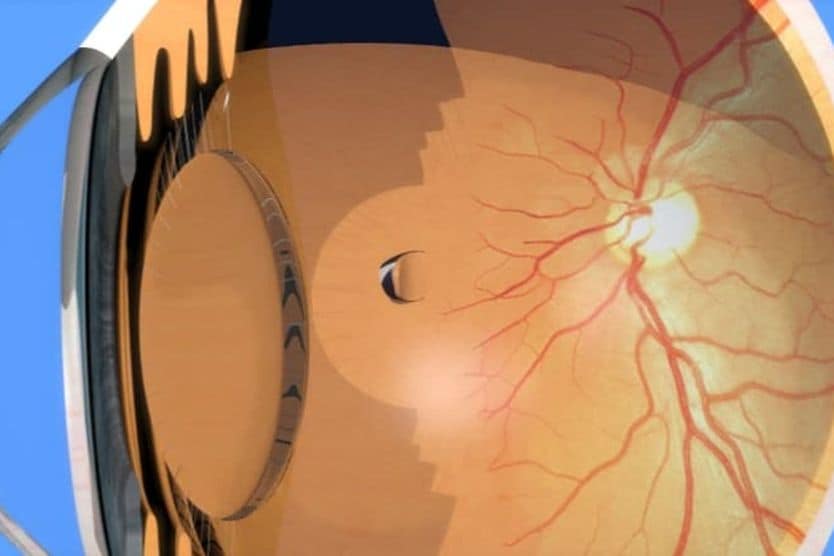
Eye floaters are basically tiny clumps that form within the gel that makes up the eye's vitreous body. Sometimes they can be due to natural aging, past eye infections or having high myopia.
While it's hard to remove eye floaters completely, there may be ways to help them become less noticeable.
Here's what current research says about several eye floater remedies:
Hyaluronic acid
Hyaluronic acid eye drops are often used after eye surgery to reduce inflammation and help with the recovery process. It has also been used as over-the-counter dry eye treatment.
While there may be a connection between eye floaters and the hyaluronic acid already in your body, there is no scientific evidence that hyaluronic acid eye drops or supplements reduce floaters or make them less noticeable.
Consult an eye doctor before using hyaluronic acid or any other eye drops or supplements to address floaters on your own.
Diet and nutrition
Though they may not target floaters specifically, getting enough nutrients in your diet can help support overall eye health. Some of these nutrients are:
Zinc
Vitamins A, C and E
Proper hydration and a healthful diet can also provide the necessary nutrients to support eye health. However, so far, dietary changes have not been proven to reduce or remove floaters.
SEE RELATED: How to choose eye and vision supplements
Rest and relaxation
If your body isn’t getting enough sleep or rest, it can cause stress on the eyes, which could make floaters seem more apparent. Be sure to get an appropriate amount of sleep each night to help prevent exhaustion.
If floaters cause general irritation, consider placing a cool or warm compress over the eyes to soothe them. While this may help relieve some tension, it won't affect the eye floaters themselves.
Protect your eyes from harsh light
Eye strain — especially from staring at a computer screen for long hours — won't cause floaters, but it may make them more noticeable. Taking frequent breaks and limiting screen time can reduce your risk of digital eye strain, a condition that may increase your awareness of floaters.
Certain lighting can make you more aware of floaters as well. Consider dimming indoor lights when they are too bright for your eyes or trying lamps instead of overheads. On the contrary, if you're trying to read in a dimly lit room, you may need to increase the light to prevent eye strain.
If bright, outdoor environments seem to aggravate floaters, wearing sunglasses with proper ultraviolet (UV) protection could also make them less noticeable.
Floaters naturally fade on their own
Patience is a virtue. Floaters don’t necessarily disappear for good, but they often move out of your field of view or become less noticeable over time. Talk to an ophthalmologist if your floaters bother you or interfere with your daily life.
Currently, there are no non-surgical medical treatments for eye floaters. Surgical treatments may include pars plana vitrectomy and YAG laser vitreolysis. Usually, though, ophthalmologists recommend trying to learn to ignore the floaters unless they have a large impact on quality of life.
If considering laser surgery, note that there’s less evidence to support its efficacy. Ask your eye doctor about success rates, complications and other things you should know if you are considering surgery for your eye floaters.
If your floaters increase dramatically or are accompanied by flashes of light or a shadow over part of your view, see an eye doctor immediately. It may indicate a medical emergency, such as a tear in the retina, retinal detachment or posterior vitreous detachment.
READ NEXT: Floaters may go away by themselves