When to have a cataracts test and what to expect during the exam


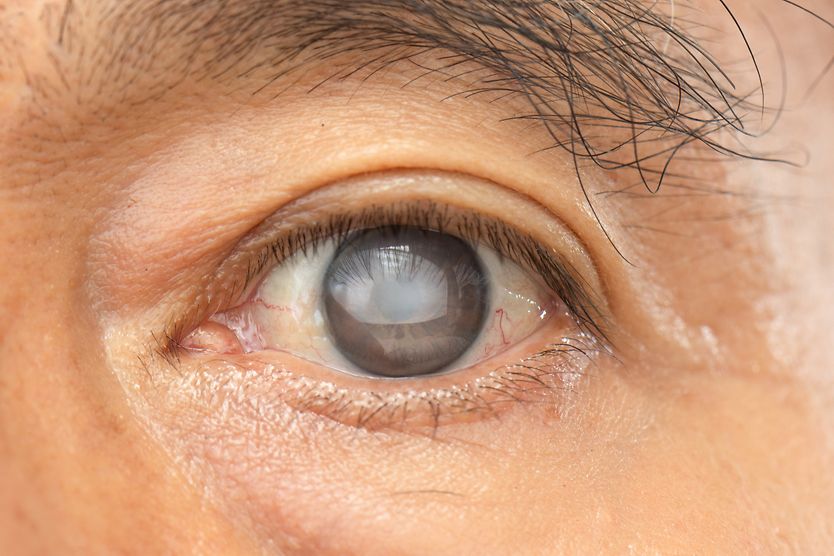
Cataract testing is typically done as part of your annual comprehensive eye exam and is important for everyone to have done on a regular basis. Cataracts can often have gradual effects on the eye — some that you may not notice at first on your own.
Of course, if you believe you are experiencing signs or symptoms of a cataract, you can schedule an exam sooner. So how do you know when the signs are enough to request that your eyes be tested for cataracts?
When to be tested for cataracts
Developing a cataract is common during the aging process. Cataracts may be more common in those with a family history of cataracts, those who smoke or those who have certain illnesses. However, anyone can develop cataracts.
The following checklist can help you decide if you should schedule a cataracts test before your next comprehensive eye exam:
Cataract symptom checklist:
- Is your vision noticeably more blurry or cloudy than it once was?
- Are you having double vision?
- Do you experience poor vision at night?
- Do colors appear dimmer than they used to be?
- Do you need bright lights to read - particularly small print?
- Are you sensitive to bright lights including sunlight and computer light?
- Has your prescription changed frequently in the past few years?
- Are you over 60?
If you said yes to one or more of these symptoms, it’s possible that you may have a cataract. To know for sure, have your eyes checked by an eye care professional.
Here’s what you can expect from a cataract test:
What happens during a cataract test?
How is a cataract diagnosed? To determine if you have a cataract, your eye doctor will perform three specific tests: a retinal exam, a slit-lamp exam and a visual acuity test. These will take place during a comprehensive eye exam.
Visual acuity test
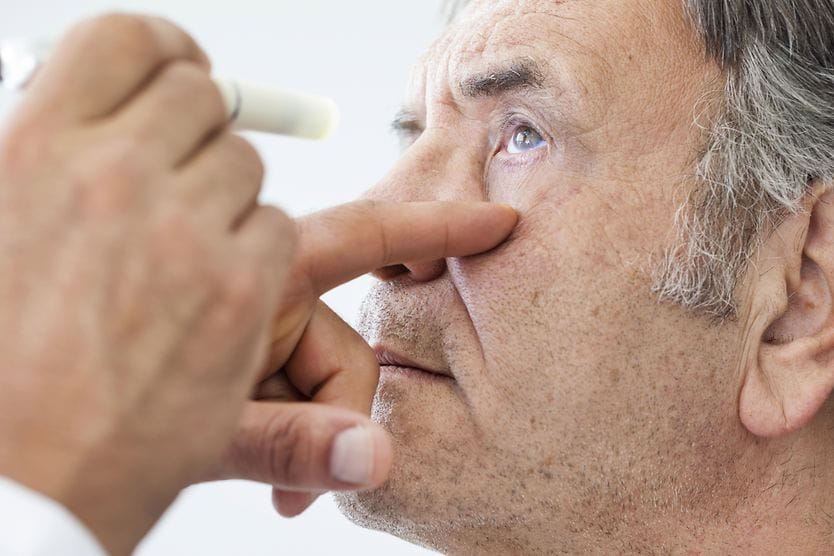
During a visual acuity test, your eye doctor will ask you to read different sized letters from an eye chart, one eye at a time. Your ability to read the letters clearly will help your doctor determine if you have a vision impairment.
Slit-lamp exam
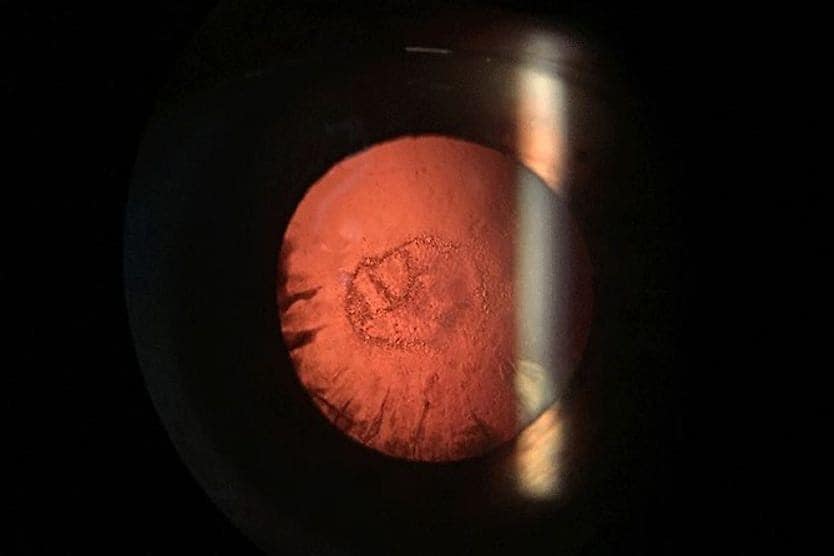
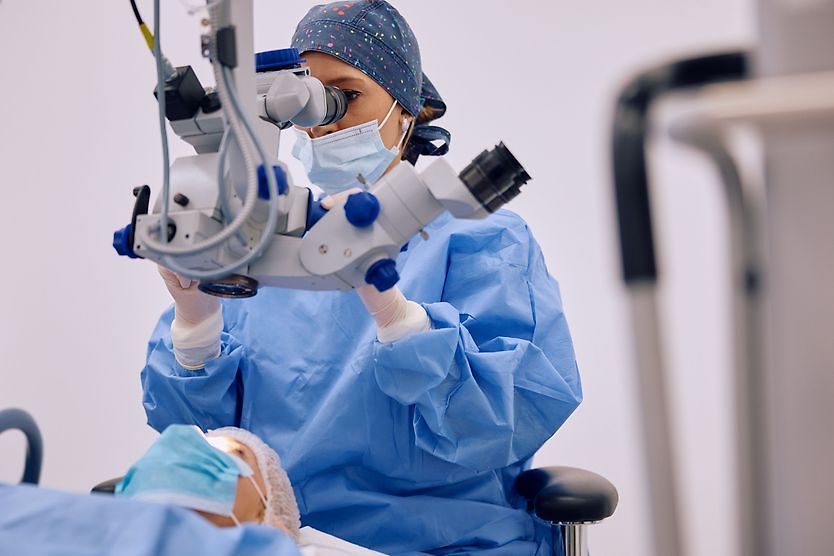
A slit lamp is a microscope which uses a strong, narrow beam of light to provide a clear and magnified view of everything at the front of the eye, including the iris, cornea and lens, and the space between your iris and cornea. The clearer view provided by a slit-lamp makes it easier for doctors to identify abnormalities such as cataracts.
Retinal exam
In order for your doctor to examine the back of your eyes (retinas), you’ll be given special eye drops to dilate your pupils. The doctor will then use a slit-lamp or ophthalmoscope to view the back of your eyes and check the health of your retinas.
Why is a cataract test important?
A cataract test is a critical part of maintaining your visual health. If a test reveals that you do have a cataract, your eye doctor will be able to determine what the next steps will be to treat the condition.
Even if you don’t experience symptoms or suspect that you have a cataract, it’s important to have your eyes checked for them every two years after age 40 and every year after age 65. The earlier any vision problems are detected, the earlier they can be treated.
Treatment following a positive cataract test
What happens next? If your eye doctor detects a cataract, you may be given a stronger vision prescription, which can help with symptoms to an extent.
Your eye doctor will likely recommend cataract surgery if a stronger prescription doesn’t help enough with your vision symptoms.
Cataracts surgery is quick and generally painless, and your eye surgeon will walk you through the process before any procedure takes place.
READ MORE: Why aren’t there eye drops for cataracts?
If cataracts are left untreated, they may lead to discomfort, glaucoma or blindness. Having routine comprehensive eye exams — including a cataract exam — can help reduce these risks.