What is nuclear sclerosis?

What is nuclear sclerosis?
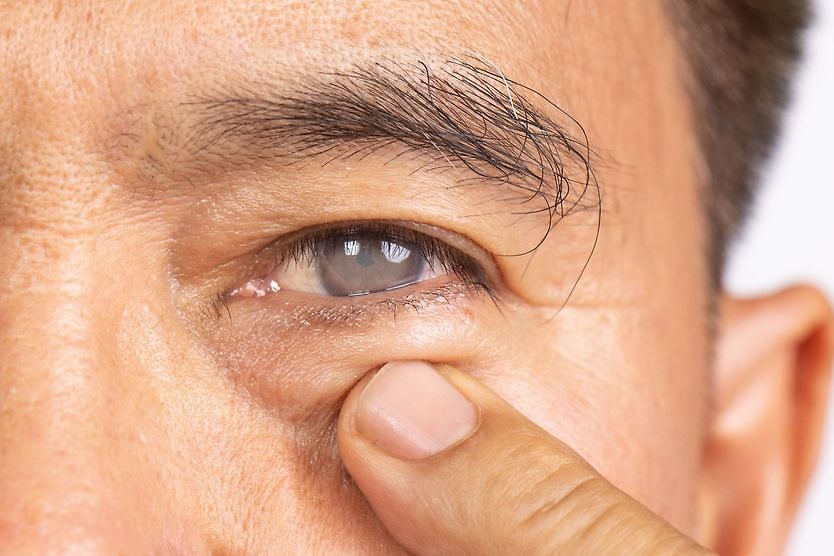
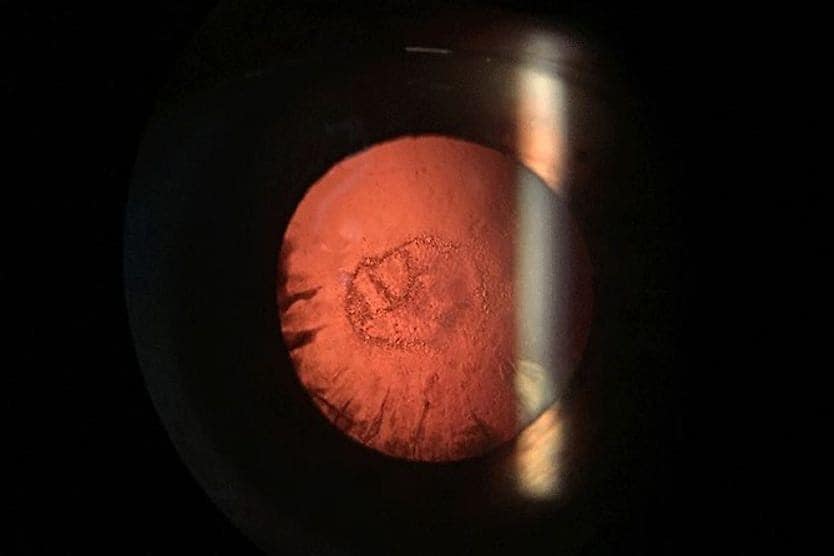
Nuclear sclerosis is a hardening and yellowing of the center, or nucleus, of the eye’s lens. It is a normal and natural process that occurs with age. Nuclear sclerosis eventually may lead to blurry vision. This is because, over time, less light can pass through the harder, yellowed lens.
What causes nuclear sclerosis?
Nuclear sclerosis is a normal aging process of the lens. The lens is made of transparent proteins called “crystallins.” These proteins are arranged in layers and allow light to pass through.
With age and exposure to UV light, the proteins in the lens begin to clump together. This causes the hardening and yellowing of the lens nucleus.
Since the lens is not clear anymore, fewer light rays pass through. They also bend and scatter more randomly. In fact, the light intensity reaching the retina decreases by a factor of ten by the time we reach our 80s. Our vision becomes blurry because light can no longer come to a sharp focus on the retina. The light scatter causes glare, halos and difficulty seeing at night.
What is the difference between nuclear sclerosis and a nuclear sclerotic cataract?
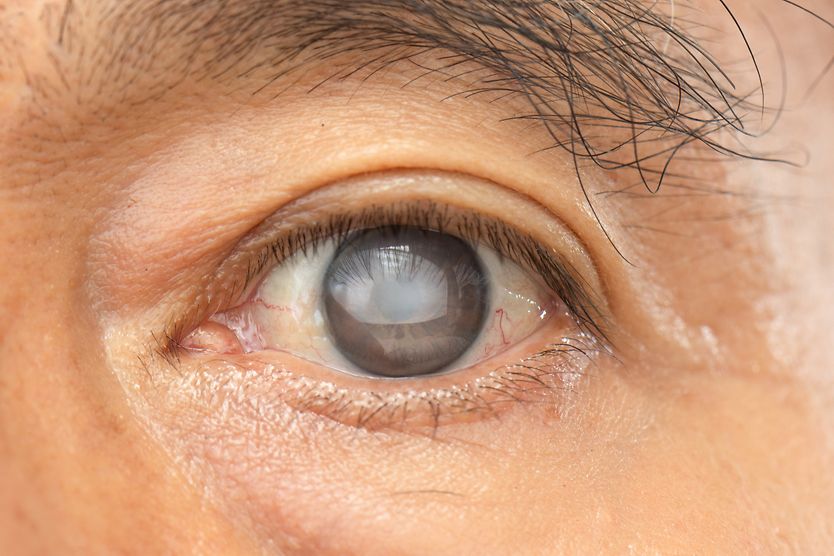
The gradual hardening and yellowing of the lens increases with time. The color becomes more brown and more opaque.
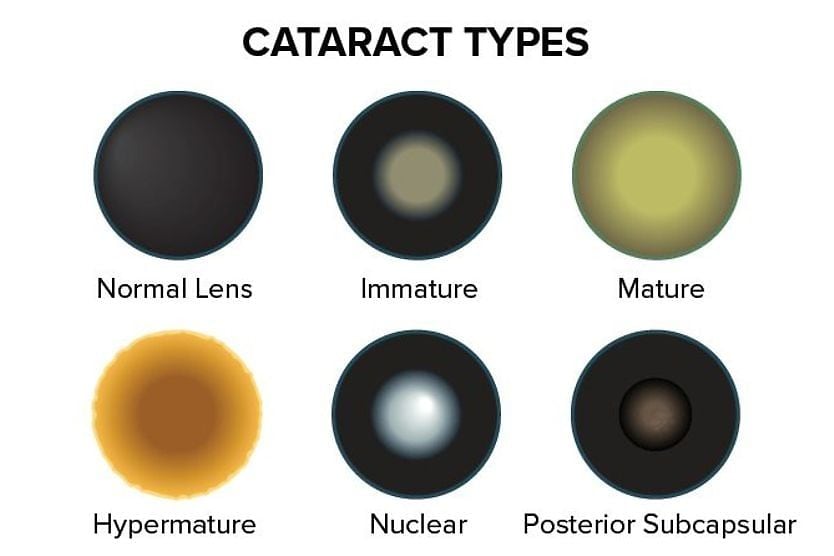
As this happens, eye doctors change the classification of nuclear sclerosis to a nuclear sclerotic cataract. The cataract is graded from 1 to 4. Grade 1 is the beginning of a nuclear cataract, and Grade 4 is a completely brown/opaque cataract.
Many people experience nuclear sclerosis later in life. In a study of people aged 75 years and older, the occurrence of nuclear sclerotic cataract in at least one eye was 40%.
What are the symptoms of nuclear sclerosis?
It takes many years for nuclear sclerosis to develop. Symptoms may appear slowly over time. Some of the symptoms of nuclear sclerosis may include:
- Vision becomes blurry and filmy, as if you are looking through a dirty pair of glasses.
- Reading printed material becomes challenging.
- Driving at night is challenging due to glare, halos and decreased vision.
- It becomes difficult to see contrast in low light conditions.
- Sensitivity to sunshine increases.
- Colors look altered and dim.
As nuclear sclerosis progresses, people may experience “second sight.” This is a temporary improvement in near vision as the lens continues to harden. As the cataract progresses, vision then worsens.
What is the treatment for nuclear sclerosis and nuclear sclerotic cataract?
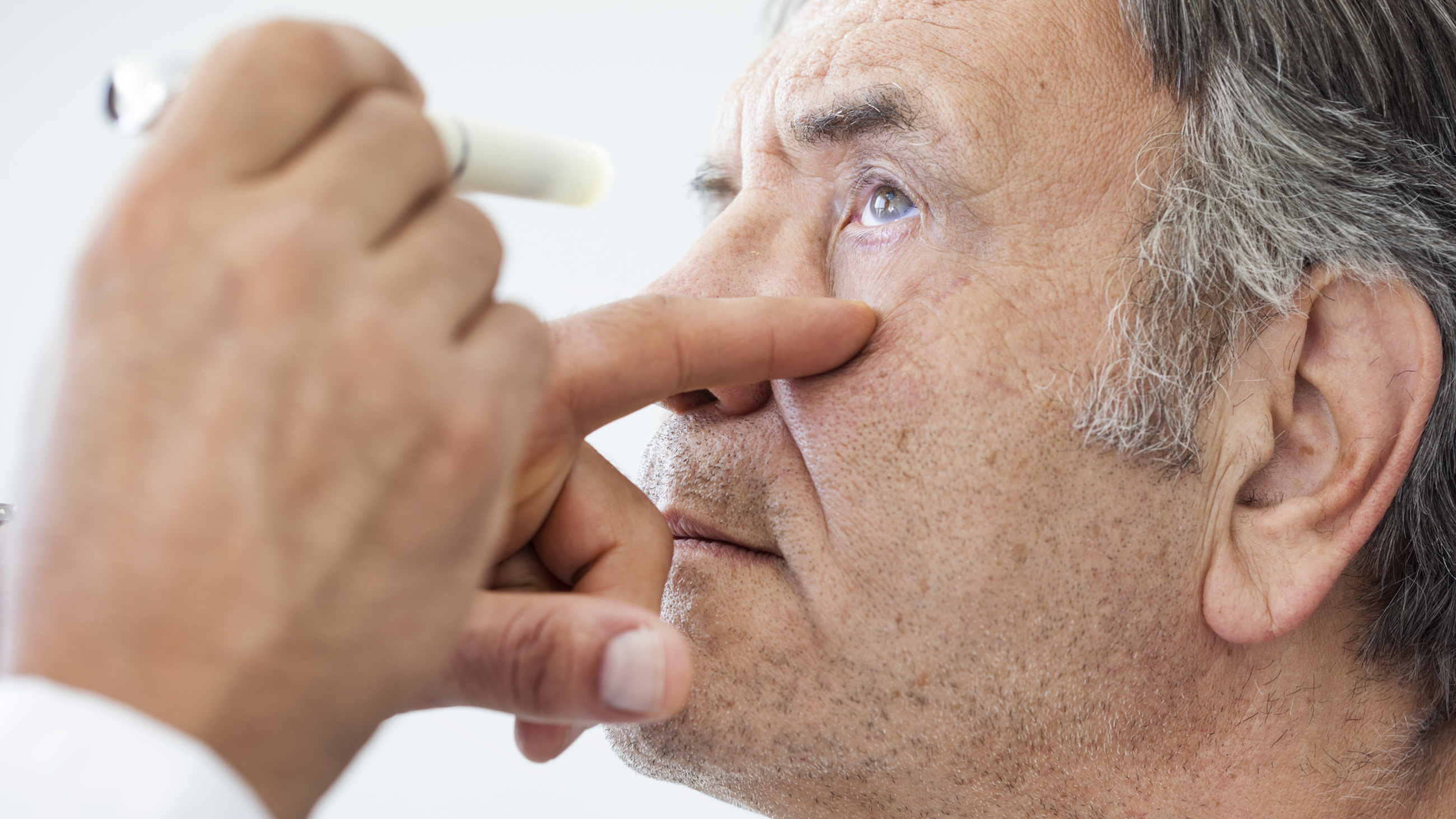
Treatment typically is not necessary for nuclear sclerosis. When it progresses to a nuclear sclerotic cataract, your eye doctor may make a note of it in the chart. The progression of the cataract may be noted at yearly check ups. If it begins to create challenges in your daily life, it may be time to discuss your options with your eye doctor.
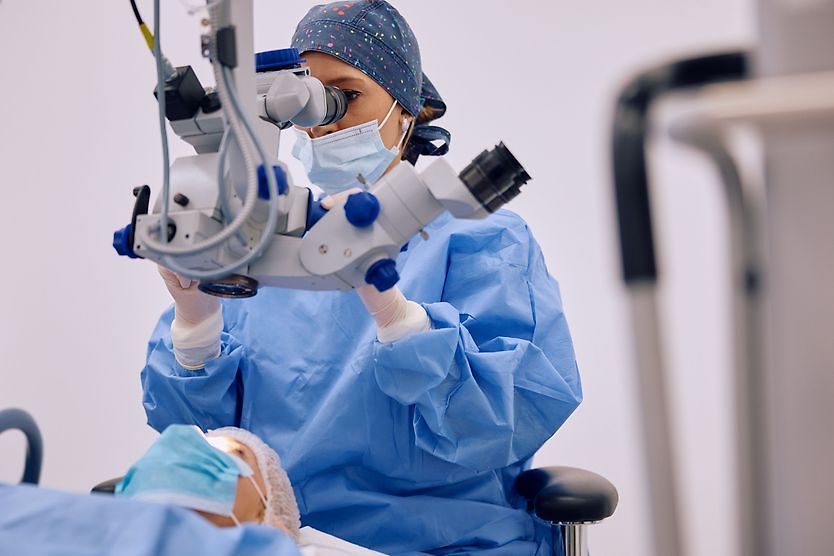
The treatment for nuclear sclerotic cataract is cataract surgery. It is one of the most common surgeries performed by ophthalmologists worldwide and generally carries low risk. The surgeon removes the cloudy natural lens and replaces it with a clear artificial lens. The surgery often takes about 15 minutes, and you may be able to go home that day.
What can I do to prevent nuclear sclerosis?
Staying healthy and making lifestyle choices may help to slow the progression of nuclear sclerosis.
Some lifestyle choices that can reduce your risk of cataract are:
- Not smoking.
- Decreasing alcohol consumption.
- Wearing sunglasses to reduce UV radiation from the sun.
- Choosing a healthy diet and lifestyle.
What does it mean if I have been told I have a nuclear sclerotic cataract?
A nuclear sclerotic cataract often progresses slowly. If you are experiencing increasing blur and difficulty with daily activities, it is recommended to speak to your doctor about your concerns. Your eye doctor can help you to make an informed choice about your cataract surgery options.