Checklist for better vision and eye health
Page published on February 27, 2019
Share
Use this checklist to help maintain (or maybe improve) your vision and eye health throughout the year. Tips are arranged seasonally to help you keep healthy vision a priority all year long.
You can also print or read our abridged to-do list for healthy eyes.
Winter
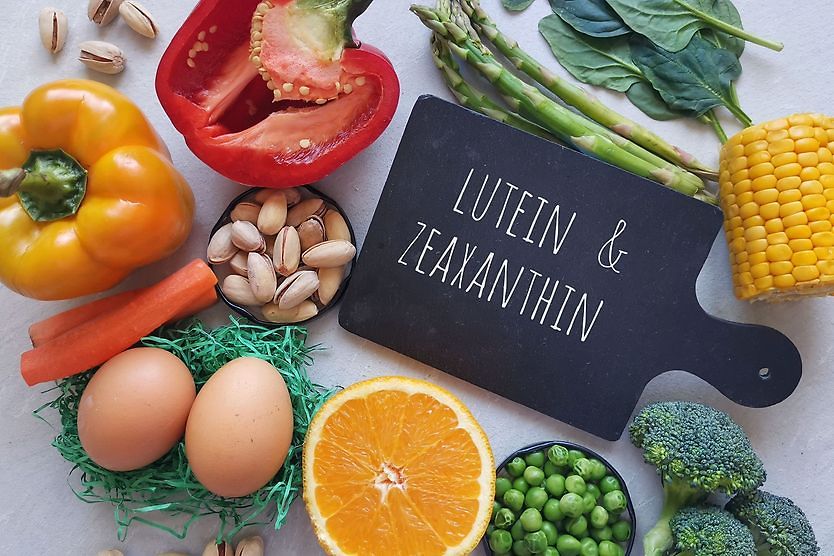
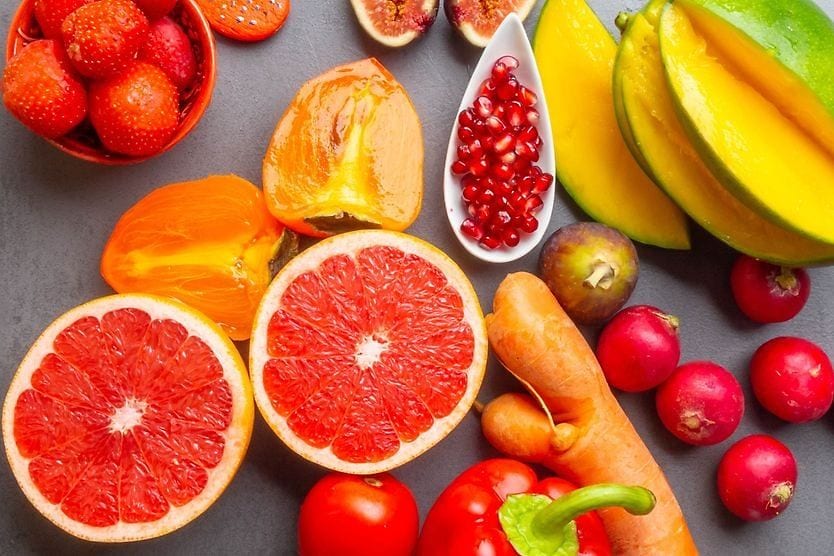
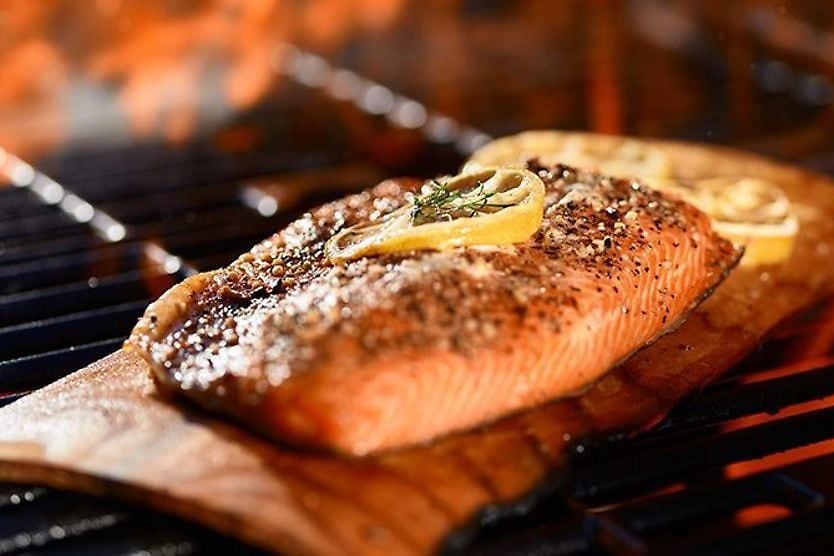
- Eat healthy. The holidays can be especially tempting for poor diet choices. Make sure you eat plenty of leafy greens, colorful fruits and foods containing omega-3 fatty acids for good eye health. Need recipe ideas? Click here for eye-healthy recipes
- Quit smoking. No butts about it: Smoking is harmful to almost every organ in your body, including your eyes. Those who smoke are up to four times more likely to go blind in old age. If you are a smoker, make a New Year's resolution to kick the habit.
- Give the gift of vision. During the gift-giving season, consider donating to a vision charity that provides vision care and eyeglasses to people in need.
- Vision insurance. If you have vision insurance and health savings benefits that expire at the end of December, be sure to use them in time. This also is a good time to schedule your family's eye exams for the New Year and take advantage of insurance benefits that cover exams, glasses and contact lenses.
- Cosmetic surgery. Eyelid surgery can help improve the appearance of droopy eyelids or puffy bags under your eyes — giving you a refreshed appearance and, in some cases, better vision. Schedule a consultation with an eye surgeon if you're interested in learning more about cosmetic surgery.
Spring
- Allergy relief. Seasonal allergies can have you in a fog, with itchy eyes and a runny nose. Pay extra attention to what triggers your allergies so you'll know what to avoid. Visit your eye doctor if your eyes become red, watery or swollen.

Time for new glasses? Modern styles can make you look and feel refreshed.
- Upgrade your eyewear. Spring fashion trends inspire great new eyeglass frame designs. Visit your eye doctor's office to see what eyewear is in this season. After you've upgraded your eyeglasses, consider donating your old eyewear to someone in need. You can change the life of someone who can't afford an eye exam or eyewear.
- Sports eyewear. Almost 90 percent of sports-related eye injuries are preventable with protective eyewear. Sports glasses offer eye protection, color enhancement, light control and more. Consult an optician to find the best sports eyewear to keep your eyes safe and enhance your game.
- Safety goggles. The spring season is a popular time for cleaning, home-improvement projects and gardening. All of which can be dangerous to your eyes if you're not wearing protective eyewear. Strap on safety goggles before spraying cleaning supplies, mowing the lawn, or repairing your home. If you don't require prescription lenses, or you wear contact lenses, you can purchase non-prescription safety eyewear from most hardware, building supply and sporting goods stores.
Summer
- Sun protection. It's important to wear sunglasses all year long, but summertime is great for purchasing new shades for your whole family. Even little eyes need protection from the sun's harmful UV rays. Remember that UV rays can damage eyes even on cloudy days. Wearing sunglasses whenever you are outside can help to reduce your risk for cataracts and macular degeneration.
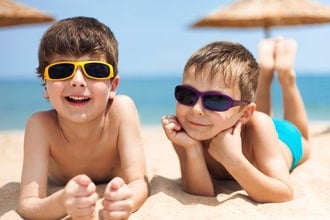
Make sure your children wear sunglasses that block 100 percent of UV rays when outdoors.
- Polarized lenses. Don't let glare from the sun ruin outdoor activities like boating, golfing and even jogging. Polarized lenses for sunglasses can help control glare and provide a clearer view with a special filter that blocks intense reflected light.
- Swim goggles. Whether it's a dip in the pool, a visit to the beach, or jumping into a lake, you should never wear contacts while swimming unless you're also wearing goggles. Goggles protect your eyes from waterborne bacteria that can cause sight-threatening diseases. Goggles also sharpen your vision while you swim, snorkel or explore underwater. If you normally wear eyeglasses or contact lenses, look into prescription goggles that can correct your vision and protect your eyes.
- Eye exams. Before school starts, make sure your kids have comprehensive eye exams to help detect any vision problems that could affect their learning. In-school vision screenings are not a substitute for eye exams.
Autumn
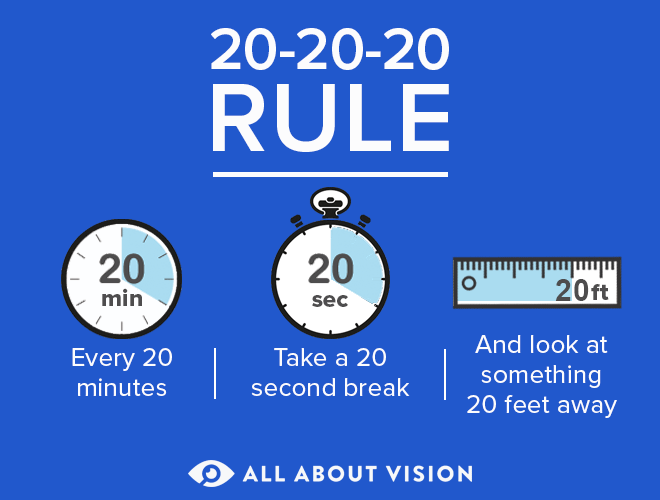
- Rest your eyes. If you're spending more time indoors on a computer, or sitting in front of a computer at work, remember to rest your eyes. Follow the "20-20-20" rule — take a break every 20 minutes and look at something that is at least 20 feet away for 20 seconds — to reduce your risk of computer vision syndrome.
- Stay active. Don't let the colder weather keep you from exercising regularly. Staying active is good for your entire body and can help protect against diabetes, macular degeneration and more.
- Drink lots of water. The fall season brings with it lots of yummy coffee and hot cocoa flavors, but don't forget to continue to drink lots of water. If you don't drink enough water, you can dehydrate your body and, in turn, not produce enough tears to keep your eyes moist and comfortable. Eye-related symptoms of dehydration include redness, dryness and puffy eyelids.
Share
More Articles