Types and styles of glasses and sunglasses

What to consider when choosing frame types and styles
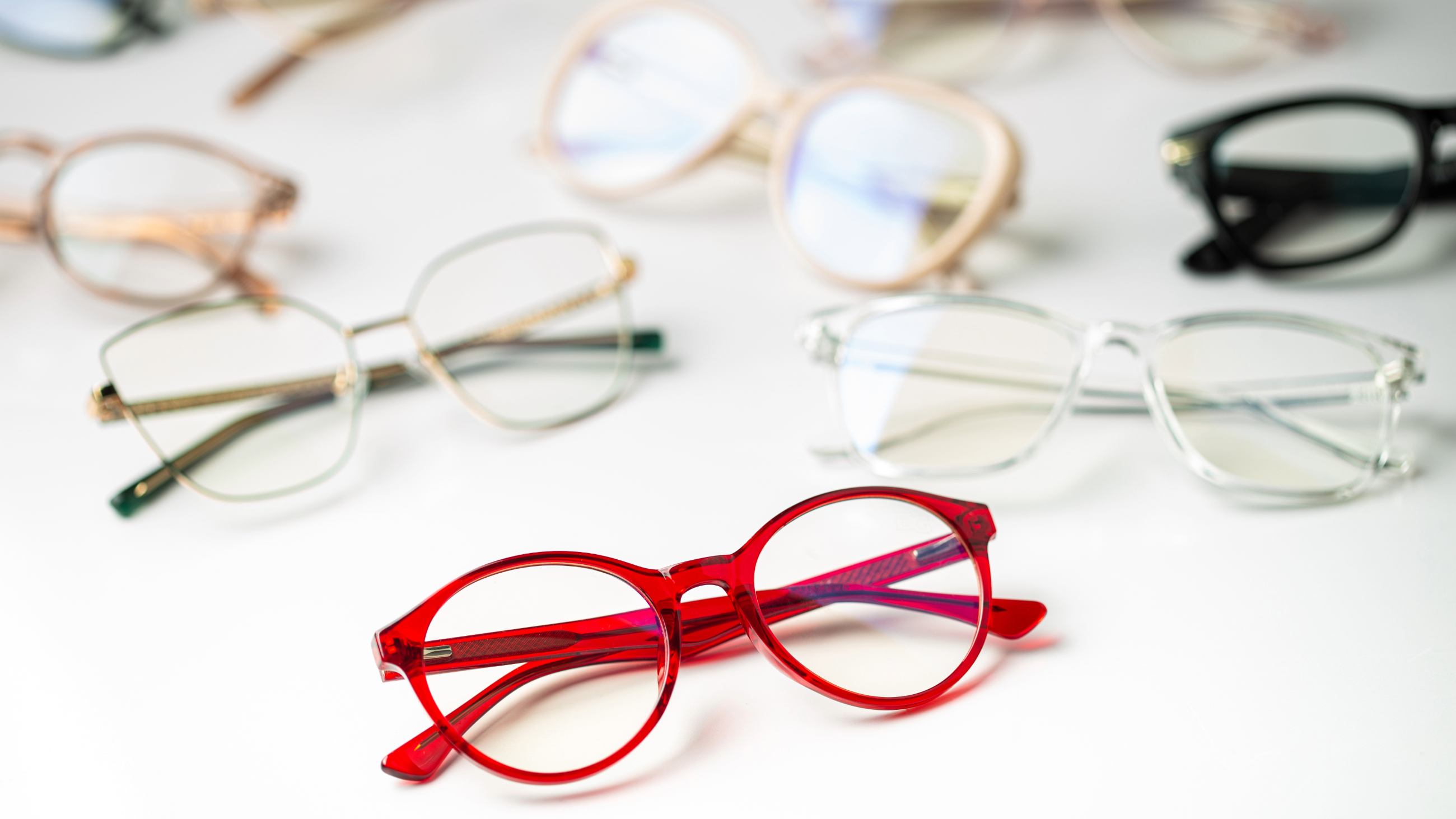
Whether you wear prescription glasses, readers or sunglasses, eyewear is an important part of your everyday look. But with seemingly endless options available, selecting the right frame type and style can feel overwhelming.
If you're in the market for a new pair of glasses or sunglasses, there are some things to consider before making your purchase. Keep in mind that frame type and style are only one aspect of picking the right frame for you. A trained optician can assist you in finding just the right fit, as your prescription may limit your frame choices.
Types of frames
When it comes to eyewear, there are three main types of frames: full-rim, half-rim and rimless. Each offers its own unique advantages and can be made with materials such as metal, plastic or a combination of both.
Full-rim frames
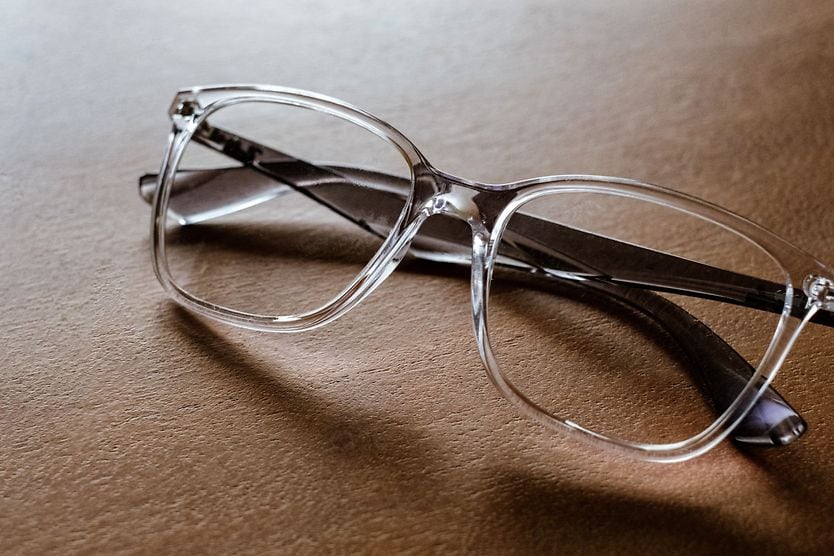
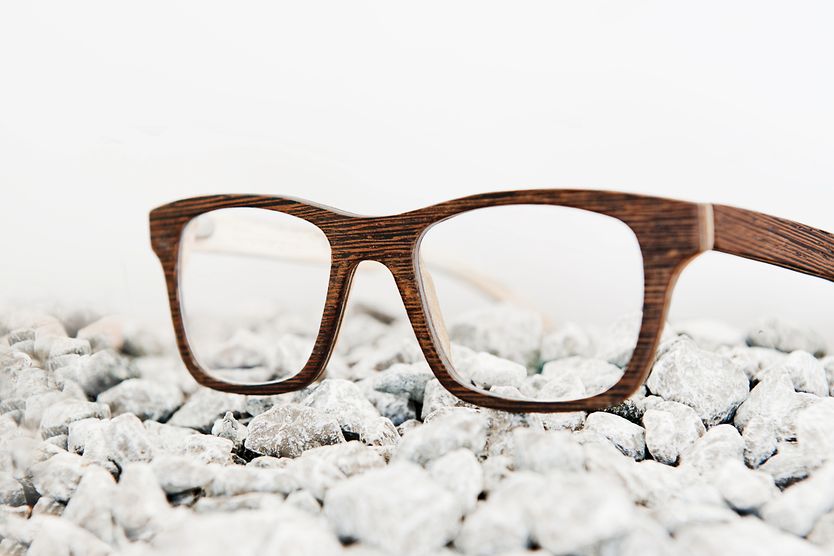
Full-rim frames are a common type of eyewear. As the name suggests, the frames fully enclose the lenses, which may provide lens support and enhance the overall durability of the glasses. Full-rim frames can be practical for everyday use, especially if you need heavier, thicker lenses because of a stronger prescription. These frames can also be a bold unisex fashion statement depending on the design.
Full-rim frames may feel heavy on the face compared to other types of glasses. However, choosing a lightweight material like titanium can make them more comfortable to wear.
Half-rim frames
Half-rim (or semi-rimless) frames have a rim on the top half of the lenses, but the bottom half is left rimless. The bottom portion of the lenses is supported by a thin wire, often making the frames lighter in weight and less noticeable.
Half-rim glasses and sunglasses tend to have a modern and minimalistic look. They can also be an option for people who wear glasses daily and want to avoid the weight of a heavier frame. However, they may not be as durable as full-rim frames due to the lack of a full rim.
Rimless frames
As the name implies, rimless frames have no rim at all. Instead, the lenses are attached to the bridge and temples. This style offers a subtle, almost invisible look.
Rimless designs may not be ideal for some people with higher prescriptions since they don't provide as much support for thicker lenses. They also require more careful handling to avoid damage. This type of frame has more limitations on prescription parameters than other types. Be sure to have your prescription with you when shopping for frames.
Types of frame styles
Once you've chosen a frame type, it's time to consider the style that best suits your face shape. Read on to learn about popular glasses styles and their features.
Rectangle
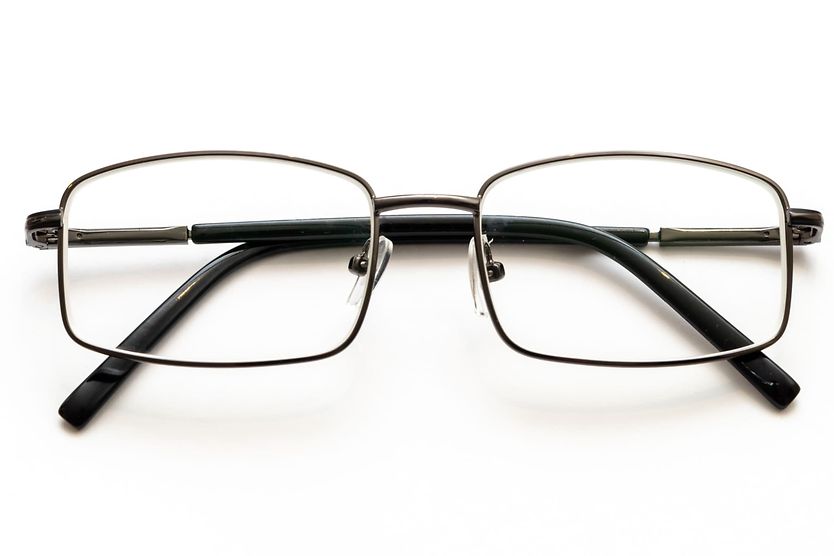
Rectangle eyeglasses and sunglasses have been a timeless classic for many years. These frames tend to have straight lines and sharp edges, which can work well for people with round, diamond or oval-shaped faces. They can also add more definition and structure to your features. Rectangle frames can range from thick and bold to thin and sleek, making them a versatile accessory for any outfit.
Square
Square frames are similar to rectangle frames, but the lenses are nearly equal in height and width. Square frames may provide a nice contrast to round, oval or heart-shaped faces and can complement strong jawlines and cheekbones.
Round
Round frames have a circular design and are often considered retro or vintage style. They can soften sharp facial features and help balance a square or angular jawline. When choosing round frames, make sure they're not too small for your face, as this can create an unbalanced look. They should be proportionate to your features and provide enough coverage for optimal vision.
Oval
Oval frames are similar to round frames but have a slightly elongated shape. This style has been around for years and is a go-to for many people. They especially work well for those with square, diamond-shaped and heart-shaped faces, as they can add balance to a wider forehead and narrow chin. Oval frames are known for their versatility and ability to suit a wide variety of facial features.
Cat-eye
Cat-eye frames have a distinctive, upswept angle at the outer corners, giving them a feline-inspired look. These frames came into fashion around the 1950s. Cat-eye glasses and sunglasses can make nearly any outfit more elegant and may be especially flattering on people with square, heart-shaped or oval faces.
Aviator
Originally designed for pilots in the 1930s, aviator glasses have now become a staple in the fashion industry. They have a distinct teardrop shape and are typically made with thin metal frames. Aviator sunglasses can be good for people with oval, square or heart-shaped faces that may benefit from the angular design.
Browline
Browline frames mimic the natural contour of the eyebrows. They tend to be thicker along the top of the lenses and thinner along the bottom. People with angular faces or strong jawlines can often pull off this style with ease. Browline frames can be bold and sophisticated without being too overpowering, making them a great unisex option.
Geometric
Geometric frames come in various trendy shapes and can be a fun way to add personality to your look. Geometric glasses and sunglasses may not be suitable for everyday use but can make an excellent addition to your eyewear collection. The angles inherent in geometric frames create an interesting contrast, which can be flattering on those with rounder faces.
Find your personal style with new glasses
Now that you know the different types and styles of eyewear frames, it's time to find your perfect pair. Consider your face shape, lifestyle and personal preference when choosing eyeglasses or sunglasses. Try on different kinds and take your time finding the right fit. Whether you want to make a fashion statement or need glasses for everyday use, you’re sure to find a frame that meets your needs.
READ MORE: The best glasses for your face shape