8 signs you may need new glasses
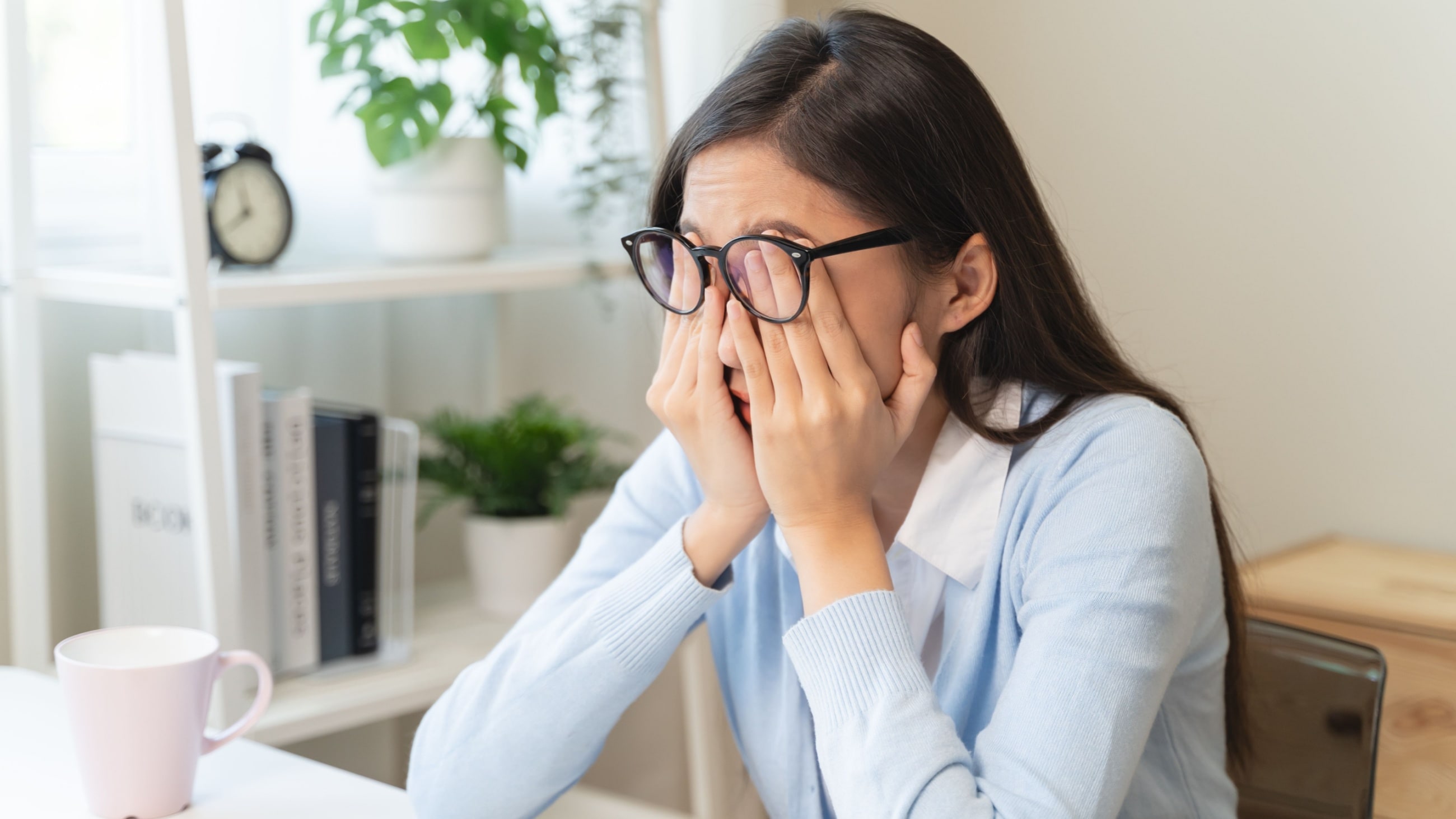
If you have frequent headaches or eye fatigue, or feel like you have to squint to make text readable, you may need new eyeglasses.
There are a number of signs that your current glasses could be due for an update. Here are eight signs to look for:
1. Blurry vision
For blurry vision at any distance, a new pair of glasses may be able to help you see clearly again.
If the words in your books and text messages have started to blur, a good pair of over-the-counter reading glasses (which you don’t need a prescription for) could do the trick.
Progressive lenses, bifocals or trifocals could also help bring things back into focus, but those require a prescription from an eye doctor.
If you’re nearsighted (also called myopia) but your glasses aren’t helping as much as they used to, you might need a new prescription to keep those distant objects in focus.
2. Headaches
While headaches aren't always caused by eyesight issues, there are plenty of vision-related reasons why you might be having headaches, including undiagnosed nearsightedness or an outdated prescription.
To make sure your prescription is correct, see your eye doctor for an exam.
There’s also a chance that your frames are to blame. If the temples (arms) feel like they’re pulling against the back of your ear, it can be uncomfortable enough to cause a headache.
Likewise, if the temples feel like they’re too tight against the sides of your head, it may be time for an adjustment.
Often, if there’s an issue with the fit of your eyeglass frames, an optician can fix the fit of your glasses, which could improve your headaches.
If your frames can’t be made to fit — let’s say you went through a growth spurt or got the wrong size to begin with — it might be time for new glasses.
3. Squinting at the screen
If you find yourself squinting at your computer monitor, smartphone or other digital devices, you may be experiencing computer vision syndrome (also called digital eye strain).
Consider trying computer glasses: They can help focus your intermediate vision and they’re often designed to filter blue-violet light, which may help some people with visual comfort. When you wear computer glasses, the objects on your screen should be clearer. If you are still experiencing issues, try practicing the 20-20-20 rule: Every 20 minutes, look at something 20 feet away for 20 seconds.
4. Double vision
Your eye doctor can help you get to the root cause of your double vision. You could have an eye condition like dry eyes, cataracts or strabismus (crossed eyes).
If you have strabismus, you may be prescribed a new pair of glasses with more prismatic power than your current pair.
Prismatic power helps people who have eye alignment issues manage double vision.
Double vision can also be caused by conditions that aren't related to your eyes. In this case, your eye doctor may refer you to a specialist.
5. Lens damage
Wear and tear on your glasses isn’t always just cosmetic. If the temples of your glasses stretch over time, they could loosen to the point that they don’t fit anymore.
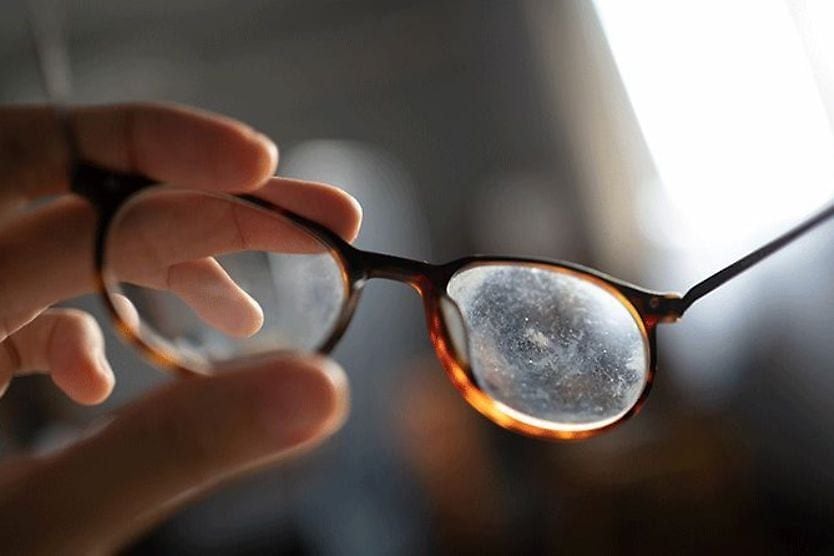
While loose frames may not affect your ability to see through your lenses, scratches on your lenses can interfere with your vision and cause eye strain.
If you use hot water or harsh cleaning solutions to clean your glasses, there’s a chance you’ve accidentally damaged your lens coating. Lenses with anti-reflective coating or photochromic treatment can make a difference for your vision, so clean your lenses as instructed by your eye care professional.
6. Infrequent eye exams
Your vision changes as you age and so does your prescription. Getting an annual eye exam is an ideal way to stay on top of those changes and keep your glasses up to date.
In a routine comprehensive eye exam, your eye doctor will look for signs of vision issues and other health conditions using the following tests and more:
- Visual acuity test – You’ll read an eye chart to test the sharpness of your vision.
- Color blindness test – This tests your ability to see colors and tell them apart.
- Ocular motility test – This is used to check for problems with eye movement or coordination.
- Depth perception test – You might wear 3D glasses to try and point out which object on a page appears closest.
7. Career change
A new pair of glasses doesn’t just make a fashion statement at your new job. Glasses can actually help you get your work done more efficiently. There are a number of different lenses and coatings on the market that might fit your new venture.
An office job may call for anti-reflective lenses or computer glasses that can reduce the eye strain you might feel from staring at a screen all day. Likewise, if you’ll be doing more physical labor, a durable lens material with anti-scratch coating can help protect your eyes and lenses.
8. Style update
There’s nothing wrong with getting a new pair of glasses for the sake of fashion. Consider treating yourself to some new frames or lenses that suit your style and the latest trend.
Don’t let outdated eyeglass lenses undercut your vision, comfort and everyday life. Book an eye exam to see if your glasses prescription has changed since your last visit and find a new pair of specs to help you see clearly again.
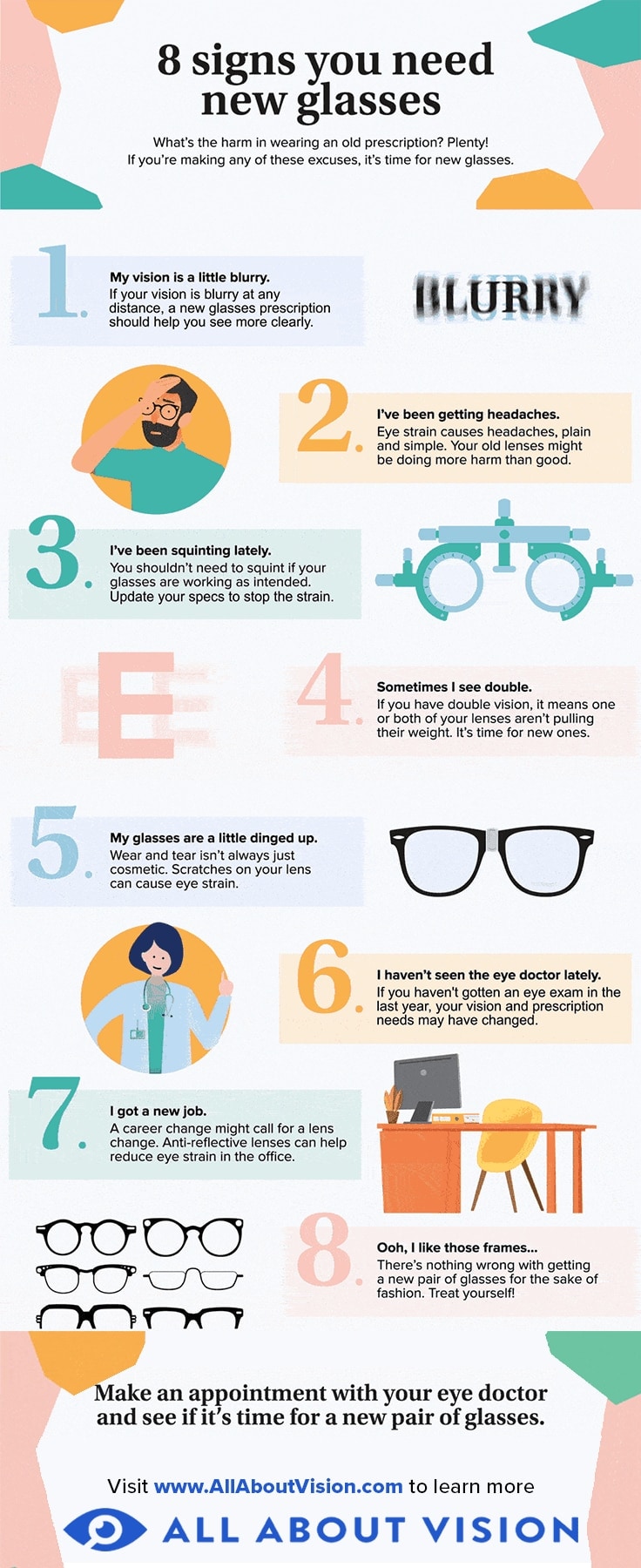
Click or tap the thumbnail to view the full infographic