Is brow lamination safe?

What is brow lamination?
Eyebrow lamination is a fairly new cosmetic brow procedure that is typically done in a salon. The procedure lifts and smooths brows with the goal of creating sleeker, neater and fuller-looking eyebrows. While the result is similar to the look of applying brow gel, it can last up to two months.
But eye doctors say the procedure raises safety concerns. Brow lamination chemicals can irritate the thin skin of the eyelids and even affect your vision if they get into your eyes.
How it works
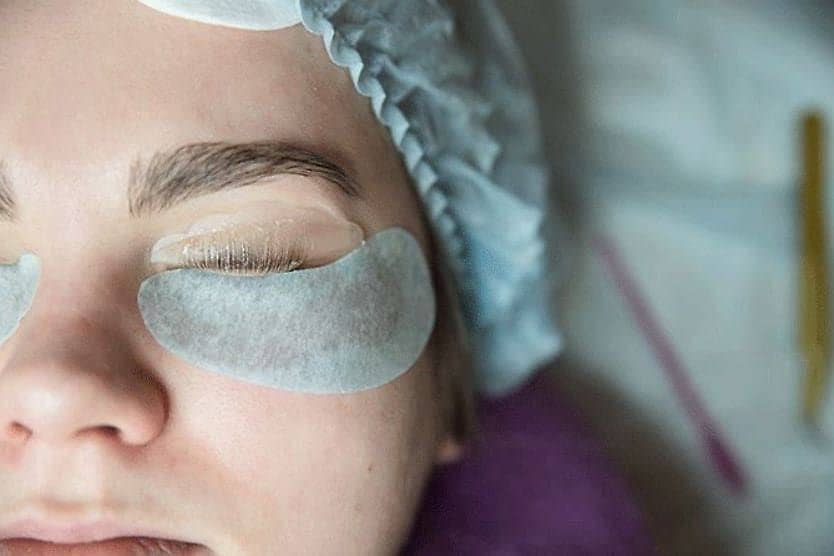
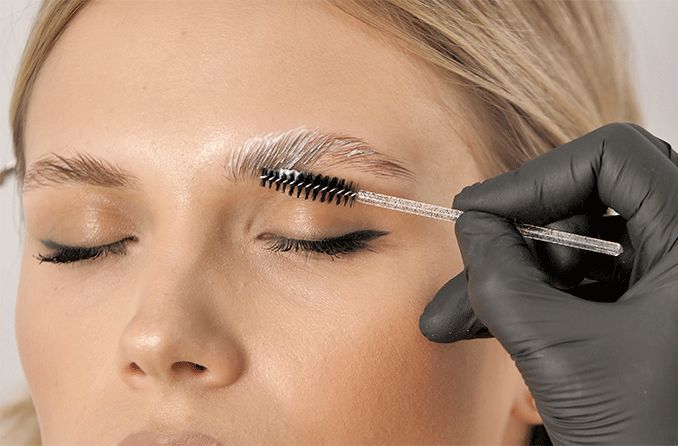
The brow lamination procedure typically takes about an hour. It involves coating the brows with two different chemicals: a relaxing cream and a setting solution. These chemicals allow the brow technician to brush the brows upward and "set" the hairs in this new direction. Laminated brows tend to have a fuller appearance without bare or thin spots.
During the procedure, the brow lamination technician:
- Cleans the brows with a cleansing solution.
- Puts a lifting cream onto the brows to break down bonds in the brow hairs.
- Covers the brows with plastic wrap while the cream works.
- Wipes the cream off and brushes the brow hairs upward.
- Applies a fixing solution to set the hairs in the new direction.
- Puts a conditioner on the brows to replenish moisture.
- Tweezes or waxes any stray eyebrow hairs.
During the brow lamination process, the technician may also tint the brows if you want to add color.
Pros of brow lamination
Brow lamination offers a way to make brows look thicker, neater and more defined. Some people seek eyebrow lamination to address thinning or sparse brows, which can be caused by aging, over-tweezing, waxing or eyebrow hair loss (madarosis).
Here are the potential pluses of getting your brows laminated:
- It’s a fairly quick procedure. Getting your brows laminated typically takes an hour or less at the salon.
- It provides long-lasting results. Eyebrow lamination can last up to two months, so you don't need to go to the salon every week or even every month.
- It can create the illusion of thicker brows. The procedure offers a way to visually fill in sparse or thinning brows.
- No needles or tattoos are required. Unlike eyebrow microblading, brow lamination doesn't use needles or puncture the skin. For this reason, it typically doesn't carry many risks of infection of the eyelid or skin around the eye (periorbital cellulitis).
- It’s less expensive than microblading in the short term. At one brow salon, brow microblading costs eight times more than lamination, not counting regular microblading touch-ups. Of course, microblading does last for years instead of months.
Cons of brow lamination
Eyebrow lamination also has some downsides, including safety concerns for the eyes and eyelids. Here are the potential minuses of brow lamination:
- It can cause an allergic reaction. Eyebrow lamination may cause skin irritation, redness and even eczema around the eye area due to the chemicals sitting on thin, delicate eyelid skin.
- It may harm your vision. If the relaxing solution or fixing solution were to drip into your eyes, you could experience a chemical burn of the eye.
- It may damage your eyebrow hairs. The lamination procedure involves applying a chemical that breaks down the bonds in your brow hairs. This could cause dry, brittle or broken brow hairs.
- It contains questionable ingredients. It may be hard to find out exactly what the brow technician is putting on your eyebrows.
- It requires regular maintenance. Even though results can last a few months, you'll still need to go to the salon six times a year to maintain your look. Not only does this cost time and money, but being exposed to the chemicals over and over may cause you to develop a sensitivity.
- You may not like the results. There's no quick fix for a bad brow lamination. If you don't like the way your brows look after the procedure, you may have to wait a few months for your brows to grow out naturally.
Brow lamination do’s and don'ts
If you've considered the pros and cons and decided you must have laminated eyebrows, take the following steps to minimize the risks and increase your chances of good results.
First, ask the salon how to get ready for the procedure. If you use skin products containing retinoids, you may need to stop using them for a few days before getting your brows laminated.
Next, you can have a patch test done on your skin before the procedure to check for allergic reactions to the brow chemicals. This can be done right before you get your brows done.
Finally, you may be told to:
- Avoid getting your eyebrows wet or sweaty for 24 hours after the procedure.
- Stay away from exfoliating creams, retinol or anything else that could irritate your skin for several days.
- Use a nourishing oil to keep your brow hair healthy.
It's important to follow the aftercare instructions to avoid issues and maintain your results.
Brow lamination cost
The cost of a brow lamination can vary based on geography and the experience level of the technician. The price can go up if you add on other procedures, such as brow tinting.
Before and after eyebrow lamination
If you're considering getting laminated brows, you'll probably want to check out some eyebrow lamination before and after photos.
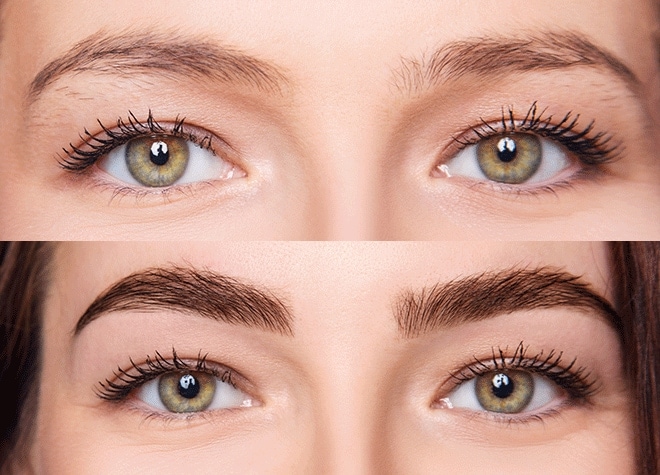
Images are for illustrative purposes only and do not depict actual patients; individual results vary and are not guaranteed.
Alternatives to brow lamination
There are various alternatives to eyebrow lamination, also known as a brow perm. Here are some other options, starting with the cheapest and least invasive:
- Eyebrow cosmetic products – Eyebrow gel is an affordable and easy way to get a look similar to eyebrow lamination without making a long-term commitment or getting harsh chemicals near your eyes. You can use a tinted brow gel and fill in bare or sparse spots with an eyebrow pencil.
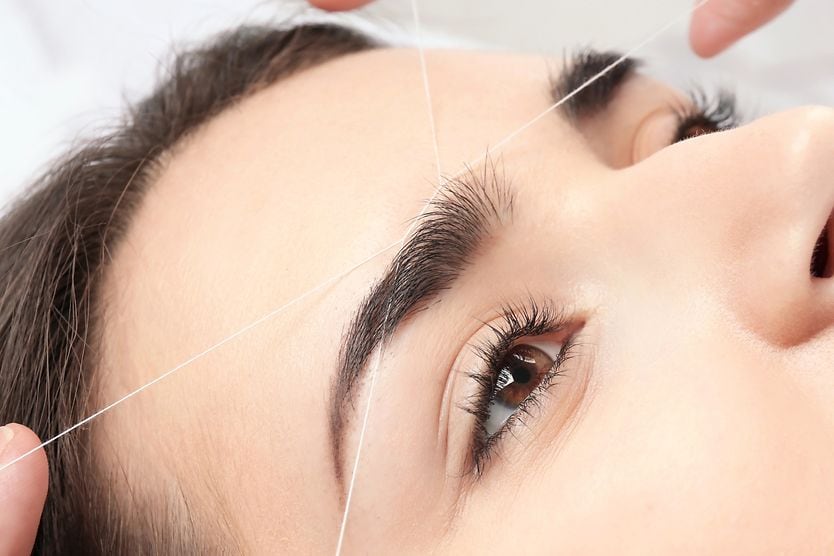
- Eyebrow threading – A brow threading procedure is used to remove unwanted hair and shape the brows. Because it won't fill in gaps or make brows fuller, it's not a substitute for lamination.
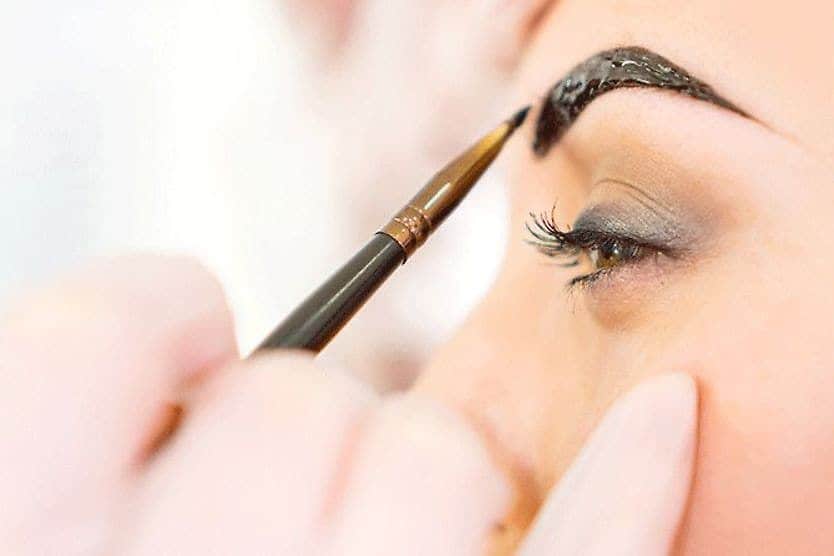
- Eyebrow tinting – The brow tinting procedure involves applying semi-permanent dye to brows. This can make your brows look bolder or darker and can cover gray hairs that may make brows look thin or sparse.
- Eyebrow microblading – The brow microblading procedure involves a handheld tool with a fine needle to inject semi-permanent ink in strokes that look like brow hairs. Microblading can fill in bare spots and add definition. A similar technique, microshading, uses tiny dots to fill in the brows.
If you're considering brow lamination or another brow procedure, it's a good idea to talk to your eye doctor or your dermatologist (or both) to get their perspective on risks and safety.
READ NEXT: Eyelash lifts