Hypoallergenic mascara for sensitive eyes

What to look for when choosing mascara for sensitive eyes
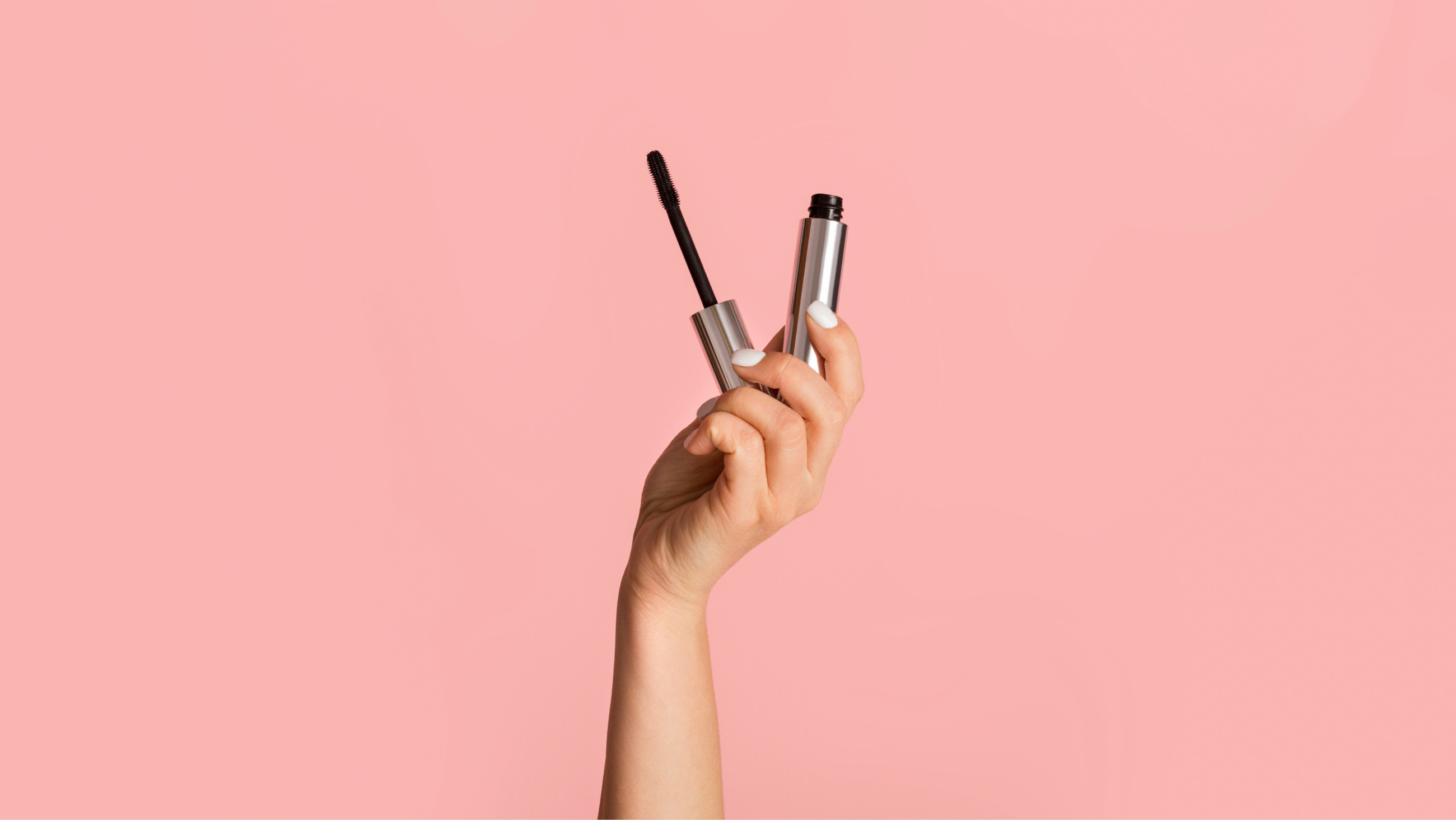
Sensitive eyes can make it difficult to find cosmetics that don't irritate your eyes and the skin around them. There are cosmetics designed for sensitive eyes. But certain ingredients or outdated mascara can potentially cause an eye infection or an allergic reaction.
When choosing mascara for sensitive eyes, it can be helpful to keep the following tips in mind:
- Look for tested and approved formulas – Consider choosing a mascara that is ophthalmologist- and dermatologist-tested, and that is deemed suitable for sensitive eyes and contact lens wearers.
- Check for hypoallergenic claims – Formulas labeled as hypoallergenic may be less likely to cause eye irritation.
- Avoid common irritants – Choosing products made without irritants, such as parabens, paraffins, phthalates or synthetic fragrances, may help reduce the risk of eye irritation.
- Look for easy-to-remove formulas – Mascara formulated with flake-free or quick-dissolve ingredients can allow for easier removal with less rubbing of the lashes.
If you have sensitive eyes or have experienced irritation due to eye makeup, you may want to ask your eye doctor or dermatologist for help choosing an appropriate mascara.
Why do my eyes burn when I wear mascara?
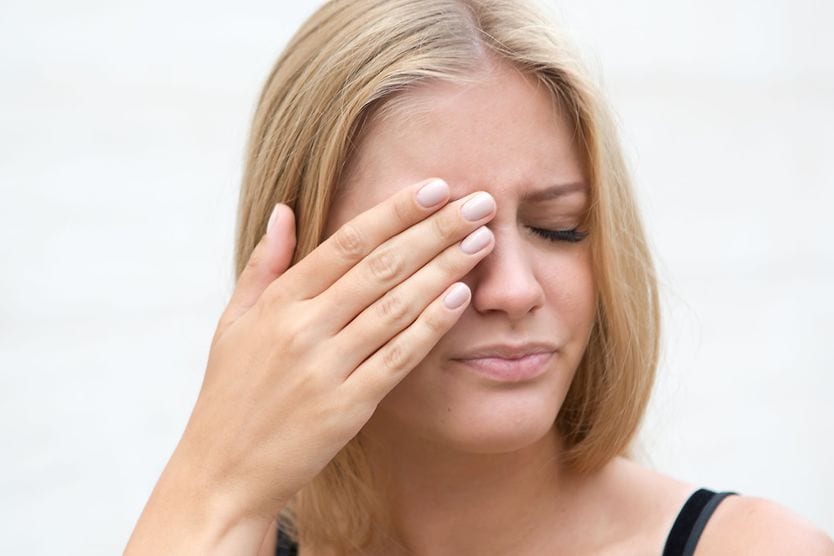
If your eyes burn whenever you wear mascara — either right away or after a few hours — it’s likely because of ingredients in the mascara’s formula that you're allergic or sensitive to.
Having a reaction to the ingredients in your mascara doesn’t always happen with the first use. In fact, it’s possible to develop a sensitivity to something over time with repeated exposure. So, your tried-and-true mascara that is suddenly causing your eyes to itch and puff up may no longer be well-tolerated.
The burning, itching or swelling of the eyes and/or eyelids related to mascara use is caused by a condition called contact dermatitis. Symptoms of contact dermatitis can develop when certain substances — irritants or allergens — come into contact with the skin.
Irritants are the more common cause of dermatitis. The substances, which may include detergents, soap, certain cleaning products and acid, are usually too harsh on the skin and can create a rash.
Allergens trigger the body’s immune system, which can overreact to the substance, causing an allergic reaction. Examples of allergens include jewelry metals (nickel), certain fragrances and airborne allergens, such as pollen and dust.
Either irritants or allergens in your mascara (or any other cosmetic product) can cause contact dermatitis and may occur immediately or after years of use.
What is in mascara that irritates the eyes?
What triggers contact dermatitis varies from person to person, so it’s difficult to pinpoint a single ingredient as the cause. However, there are some common ingredients used in cosmetics that are known to cause irritation, including:
- Parabens – Parabens are additives (man-made chemicals) used to preserve a product, such as mascara.
- Fragrance – While many people love a scented makeup product, fragrance can irritate the skin and eyes. The most common fragrance known to cause an allergic reaction is balsam of Peru, which is a liquid collected from trees in Central America and is used in many cosmetic products.
- Lanolin – An ointment-like material derived from sheep’s wool that is added as a moisturizing ingredient.
- Quaternium-15 – Another preservative commonly used in makeup, known as a “formaldehyde releaser.”
- Propylene glycol – A preservative alcohol substance added to cosmetics to help maintain product moisture.
SEE RELATED: Eyelash serum
Tips to avoid makeup-related eye irritation
There isn’t much you can do to prevent sensitive eyes or to keep your eyes from reacting to certain products, including mascara. However, there are some steps you can take to make sure the products you’re using around your eyes will not cause irritation.
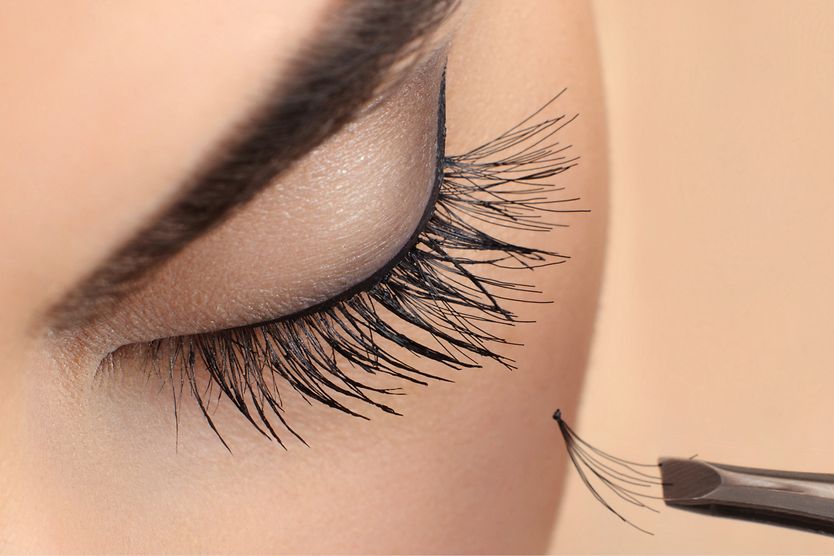
- Avoid overly complex formulas – Within the past few years, some cosmetic companies have marketed mascaras with “extension fibers” that will build on top of your natural eyelashes to make them look longer. While this may be the effect you’re looking for, those fibers can flake off and get into your eyes. Besides that, the ingredients used to create the fibrous look can irritate the eyes. Keep it simple by using mascaras with limited ingredients and a hypoallergenic formula.
- Do a patch test – If you’re highly sensitive to cosmetics, it’s recommended that you do a patch test before you apply a product to your face. The inner part of the arm is a good location, as the skin there is more sensitive than on the back of your hand or forearm. A patch test can help determine whether the product contains allergens or irritants that might bother your skin.
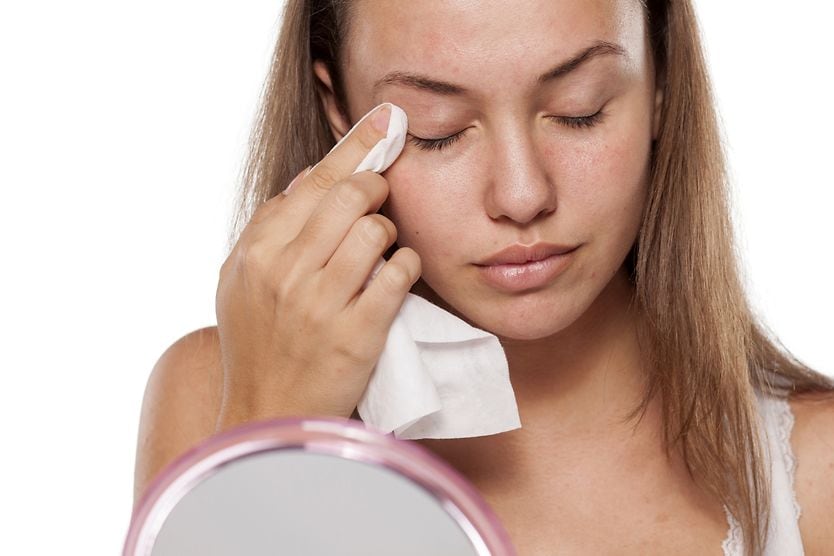
- Wash your face – If you’ve heard it once, you’ve heard it a million times: Do not sleep in your makeup. This habit can affect your skin and lead to eye irritation caused by eyelash mites. If you are unable to use soap and water, using a makeup remover wipe will suffice.
- Choose black over colored mascaras –Though a subtle brown or cobalt blue lash may be your preference, you may want to consider using plain black. The additives and dyes required to make colored mascaras can irritate your eyes.
- Avoid waterproof options – Many people prefer to use waterproof mascaras, but they can be difficult to remove. Non-waterproof options with smudge-resistant formulas may be easier to remove.
- Give the lash line some space – Applying mascara right against the lash line can cause irritation if the product gets into your eyes. It can also increase the risk of a bacterial infection.
- Don’t be afraid to say goodbye to one of your favorites. As mentioned earlier, it’s possible to develop an allergy to a product that you’ve loved and used for years. While discarding such a product can be difficult, replacing it may help reduce the risk of an eye infection and other issues.
If you've developed eye problems like redness or serious irritation, call an eye doctor. They can check your eyes to make sure you don't have an infection and provide advice on treatment and cosmetic habits.
READ MORE: Types of eye makeup and popular eye makeup trends