Can I Serve In The Military If I Have Keratoconus?
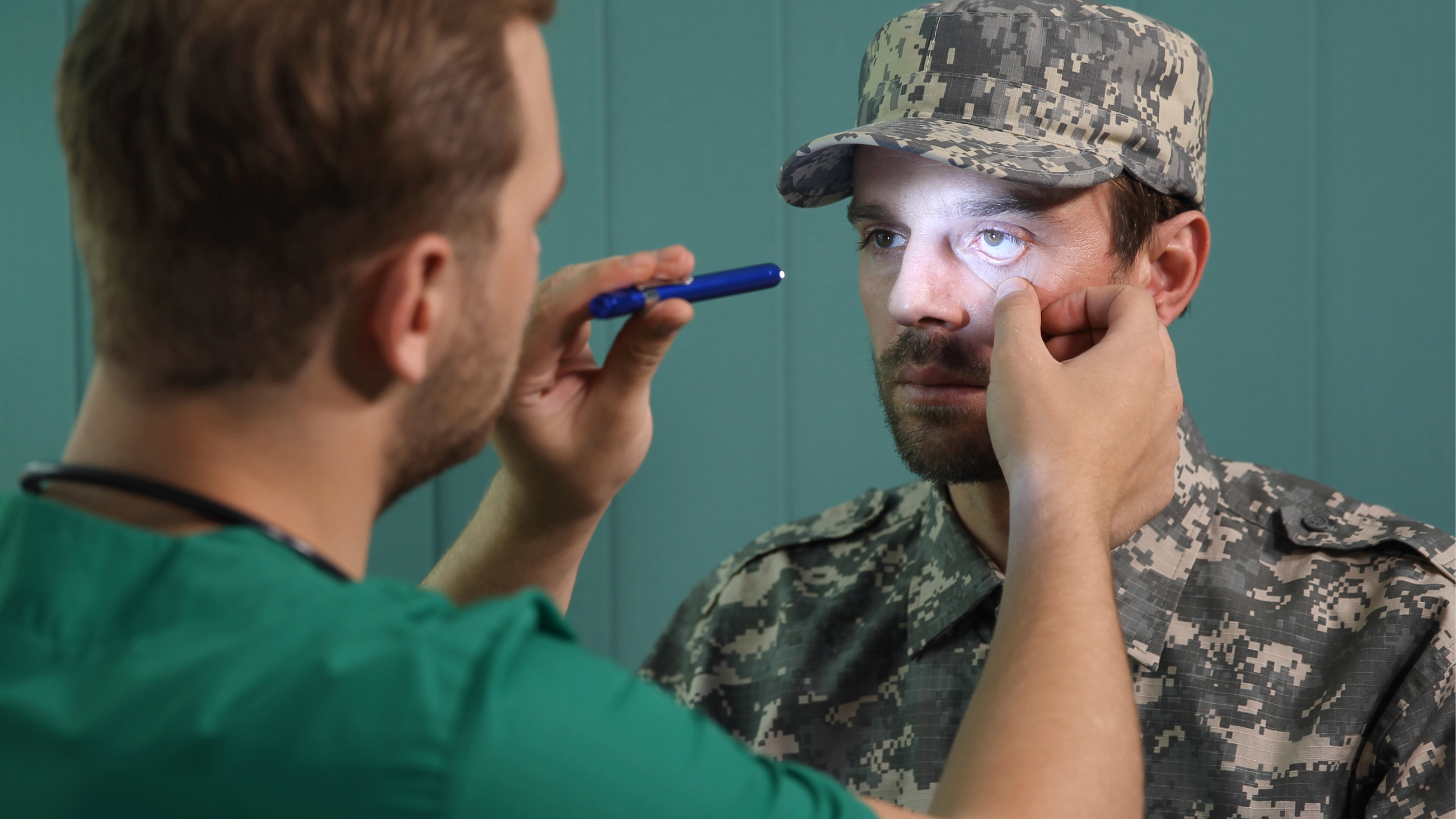

Is keratoconus disqualifying for military service?
Unfortunately, people with keratoconus are currently not allowed to serve in the United States military.
According to Department of Defense Instruction on Medical Standards for Appointment, Enlistment, or Induction in the Military Services (DoDI 6130.03, Section 4c), people who have been diagnosed with keratoconus are not eligible to serve in the United States Armed Forces.
If you join the military and you get keratoconus during training, you probably won’t go to combat. Also, a diagnosis of keratoconus in the military might result in a medical discharge.
Is it possible to get a military medical waiver with keratoconus?
Some applicants may not meet basic military health standards. Yet, they can still be considered for a medical waiver. The Department of Defense sets medical standards for enlistment in DoD Instruction 6130.03. These standards let applicants ask for a waiver.
The approval of a keratoconus military waiver depends on several factors. Military medical reviewers look at how severe the condition is. They also check the best-corrected vision and the applicant’s medical history. Decisions can vary by military branch and specific duties. Some roles need better visual performance than others.
The Department of Defense regularly reviews the list of medical conditions. Some conditions can disqualify applicants. Others may need a waiver to maintain the standards.
The future of keratoconus and military eligibility
Keratoconus is often seen as a disqualifying eye condition for military service. It can also restrict active duty personnel’s chances for refractive surgery. In the past, treatment mainly used specialty contact lenses. In severe cases, a corneal transplant may be necessary.
In 2016, treatment options shifted. The U.S. Food and Drug Administration (FDA) approved corneal collagen cross-linking (CXL). It makes collagen fibers stronger. This keeps keratoconus from potentially getting worse. Since the treatment became available, hundreds of service members have had the procedure. Many of them can now continue their military careers.
In some cases, applicants with early-stage keratoconus might get a medical waiver. This applies if their condition stays stable after treatment. Advances like cross-linking can also help some service members become eligible for refractive surgery. They may qualify now, even if they couldn’t before.
Military medical standards are strict. Yet, advances in treatment may help more people with stable keratoconus. This could allow them to stay on active duty or join the military in the future.