Losing an eye: Enucleation and prosthetic eye FAQ
In cases of severe eye injury, eye cancer or other serious disease of the eye, it may be impossible to save the eye and it must be surgically removed. A common type of procedure to remove a badly damaged or diseased eye is called enucleation.
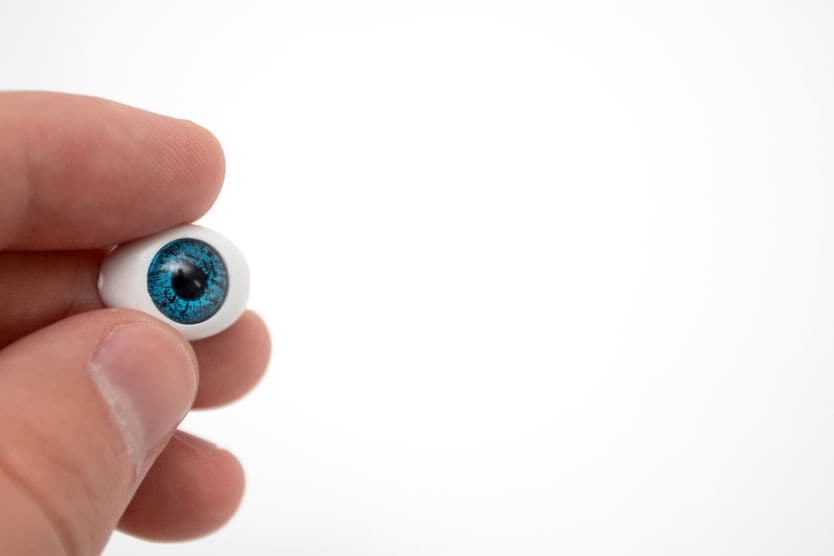
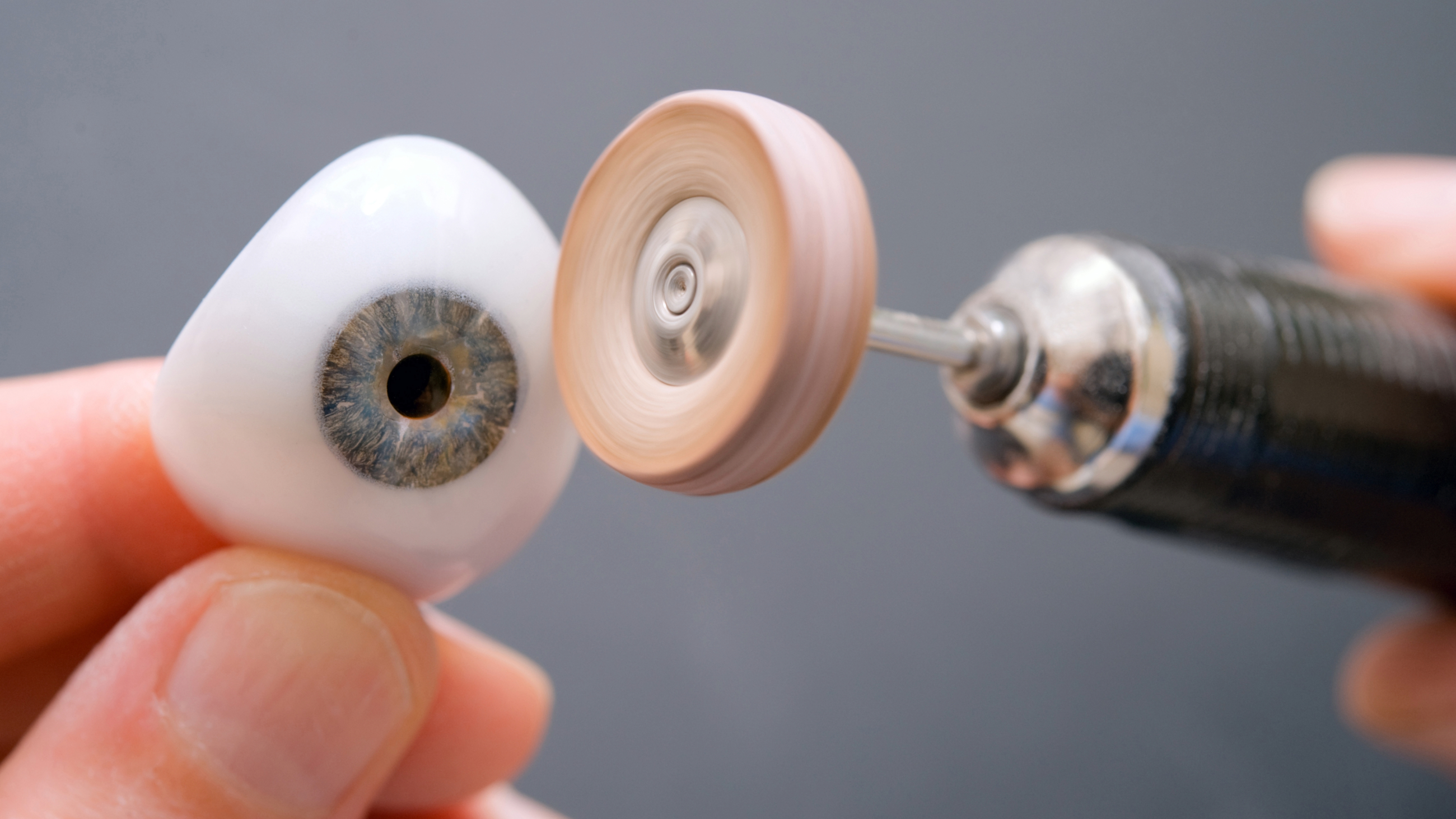
Once the affected eye is surgically removed, the person undergoing the enucleation procedure typically is fitted with a custom-made prosthetic eye (also called an artificial eye, "glass eye" or ocular prosthesis).
Although a prosthetic eye cannot restore vision, it can provide a more natural appearance. Modern prosthetic eyes are custom-made and matched in size and color to the remaining natural eye in such detail that it's often difficult for others to notice that a person is "wearing" a glass eye.
Here are answers to frequently asked questions about surgical eye removal and the manufacture, fitting and care of prosthetic eyes.
What Is Enucleation?
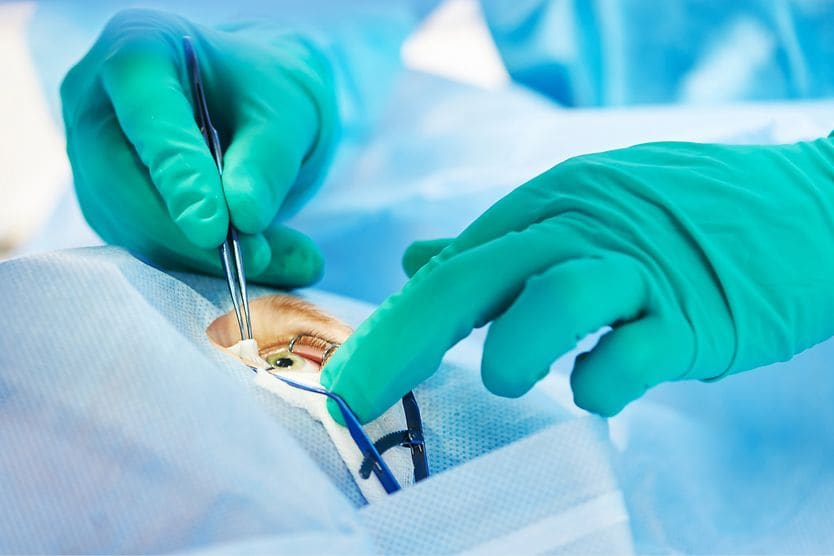
Enucleation is surgical removal of an entire eye. The muscles that were attached to the outside of the eye to control its movement and other tissues that surrounded the eye within the bony socket of the skull are left intact.
These muscles are attached to a round (marble-like) implant that replaces the tissue volume lost when the eye is removed. Attaching them to the implant offers the patient some movement of the artificial eye after surgery.
SEE RELATED: Bionic eye, bionic lens and mechanical eye implants
When Is Enucleation Necessary?
The most common reasons for surgical removal of an eye include: eye cancers (for example: choroidal melanoma ; retinoblastoma); trauma; uncontrollable infection; end-stage glaucoma; or any condition that causes ongoing, unmanageable eye pain in a blind eye.
Also, unsightly blind eyes may be removed in order to rehabilitate the eye socket and offer the patient a cosmetic alternative.
What Can I Expect Immediately After Enucleation Surgery?
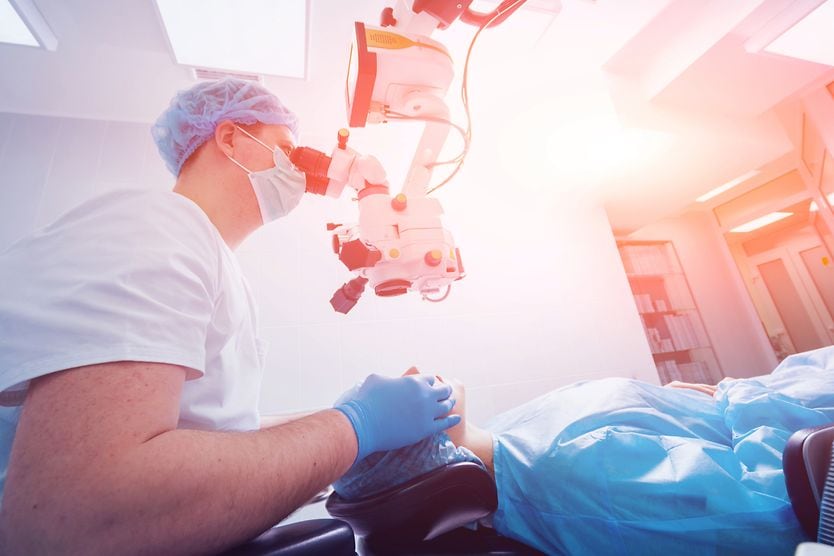
Enucleation surgery typically is performed under general anesthesia, so you won't feel any discomfort during the procedure. Local anesthesia may be applied at the end of the surgery so you will experience little or no discomfort when you wake up in the recovery room afterward.
A small plastic conformer that resembles half an almond shell is placed behind the eyelids to maintain their shape after surgery. Occasionally, a single stitch is placed in the eyelids to temporarily sew them together for a few days. The conformer serves as a placeholder for the artificial eye that is fitted several weeks later, after swelling has subsided and sufficient healing has taken place.
It's common to have a headache the first day or two after surgery, but this typically can be managed with over-the-counter headache medicine. Occasionally, a prescription pain medication may be required.
Some patients may need medicine for nausea, which usually lasts only a day or two.
A pressure patch will be applied immediately after enucleation surgery. Some surgeons allow the patch to be removed on the day after surgery and replaced daily by the patient while others may require the patch to be left in place for a few days.
You may be given oral antibiotics and steroids to take until your follow-up visit four to six days later.
At your first follow-up visit, your eye doctor will remove your patch and examine the surgical wound. If everything is healing properly, you will be given topical antibiotic drops or ointment to apply to the area several times daily for a couple of weeks.
How Is An Ocular Prosthesis Created?
Once your surgeon thinks your eye socket is ready for a glass eye (approximately 3-6 weeks after surgery), you will be referred to an ocularist. An ocularist is a professional who specializes in custom-crafting artificial eyes.
At your first visit with the ocularist, the creation of a prosthetic eye that matches the appearance of the remaining natural eye will begin.
When it's time to insert the new prosthetic eye, the conformer is removed. Like the conformer, the glass eye is shaped like a curved shell that fits behind the eyelids and in front of the implant.
The eye socket can change in shape over time, so adjustments and refitting of a glass eye may be needed as time goes on. Typically, prosthetic eyes require yearly polishing by the ocularist and replacement every five to seven years.
In 2016, researchers in Belgium created what is believed to be the first customized ocular prosthesis designed with the aid of 3D printing, which eliminates the need for impression molding and may result in even greater consistency in the creation of well-fitting, natural-appearing artificial eyes in the future.
Are Glass Eyes Made Of Glass?
Some are but others are not. A prosthetic eye can be made of a number of materials that are compatible with the eye socket tissues.
A common material used to create a glass eye is an acrylic plastic polymer called polymethyl methacrylate (PMMA), which is used for a number of applications when a lightweight, shatter-resistant alternative to glass is desired.
Silicone polymers also are used to make artificial eyes.
SEE RELATED: Osteo-Odonto Keratoprosthesis Surgery (OOKP)
Can A Prosthetic Eye Move Like A Normal Eye?
Movement of the artificial eye depends on the type of implant the surgeon selects when replacing the eye that is removed. Newer porous materials allow blood vessels to grow into the implant along with the surrounding ocular tissues and muscles.
When the eye muscles are attached to these porous implants at the time of surgery, some of their movements are transferred to the overlying prosthetic eye which allows the prosthesis to move.
In addition, "pegging the porous implant" by inserting a peg into the implant which connects with the back of the prosthesis can offer even more movement. In some cases, this allows people to track moving objects with an artificial eye in unison with their fellow, natural eye.
The pupil size of a glass eye will not change with external lighting conditions; therefore, the pupils of the two eyes (one real and one artificial) may not match perfectly. But a high-quality prosthesis combined with newer implants can create a very natural appearance.
Additional cosmetic procedures on the eyelids and other structures surrounding the prosthetic eye also can enhance the final outcome.
A pair of fashionable eyeglasses with impact-resistant lenses can virtually prevent many onlookers from noticing that a person is wearing a glass eye.
Can I Wear Contact Lenses (On My Seeing Eye) After Enucleation Surgery?
Anyone who undergoes enucleation and wears a glass eye should purchase eyeglasses with impact-resistant polycarbonate or specialized polyurethane-based lenses and wear these glasses after surgery to protect his or her remaining natural eye.
Even a seemingly harmless minor eye injury, like a mild corneal abrasion, can be a serious problem for a person with only one functioning eye. While you could wear a contact lens on the functional eye on a limited basis, it’s important to keep in mind that even well-fitting and properly worn contact lenses increase the risk of an eye infection that could have devastating consequences.
Adjusting To Life With A Prosthetic Eye
Losing an eye, undergoing enucleation surgery, and being fitted with and wearing a glass eye can be an emotionally traumatic experience, requiring a significant psychological (as well as physical) healing period. For this reason, counseling and support groups can be a great help during a patient's recovery.
With the help of a talented surgeon, the latest implant technology, a skilled ocularist, and caring support from family, friends and professionals, a person who has lost an eye can regain his or her appearance and recover.