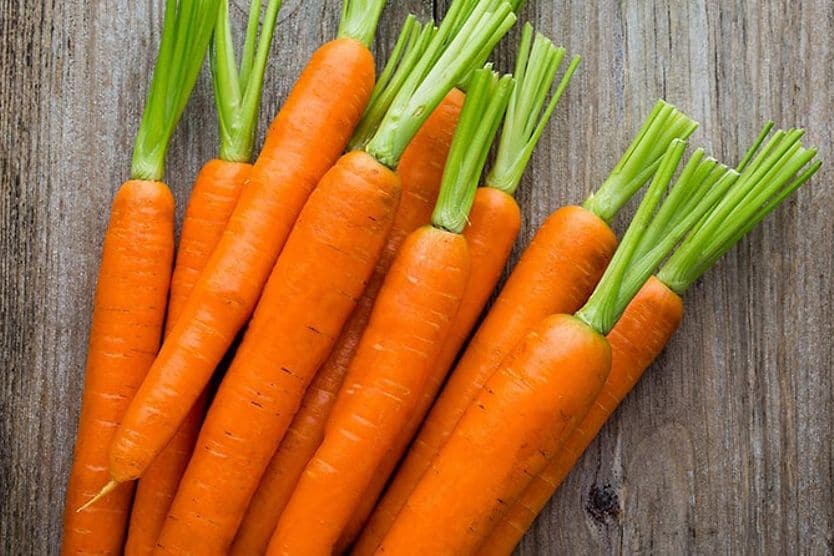
Are carrots really good for your eyes?
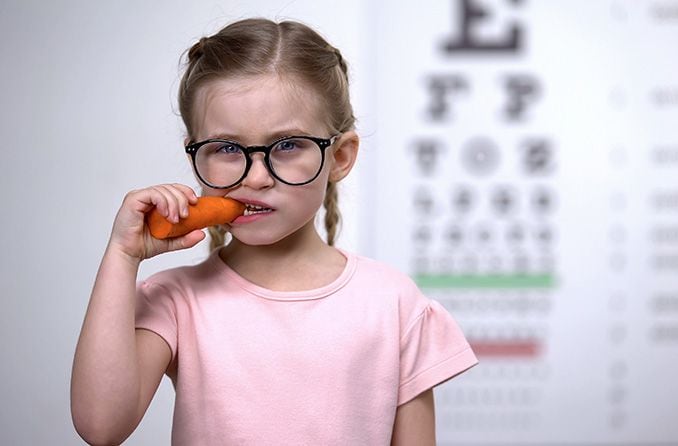

Do carrots help your eyesight?
Carrots contain a wide array of vitamins, including vitamin A, which has been known to improve eye health. In other words, there is some truth to the claim that carrots are good for your eyes.
Vitamin A may benefit your eye health by potentially:
- Protecting your cornea
- Decreasing the risk of cataracts and age-related macular degeneration (AMD)
- Delaying peripheral vision loss
- Creating a protective layer against bacteria and viruses
- Alleviating the symptoms of dry eye syndrome
- Slowing vision loss in people withretinitis pigmentosa
- Impeding the progression ofStargardt’s disease
On the other hand, vitamin A deficiency could lead to:
- Dry eyes
- Night blindness
- Vision impairment
Vitamin A deficiency is rare in the United States, but it can occur when people have restricted diets or their bodies can’t absorb food properly.
It’s also possible to get too much vitamin A. This can cause:
- Headaches
- Joint pain
- Dizziness
Are carrots the only way to get vitamin A?
When people think of eye-friendly foods, they usually think of carrots; but they’re not the only food that benefits your eye health. In fact, carrots may not even be the best food you can eat with eye health in mind.
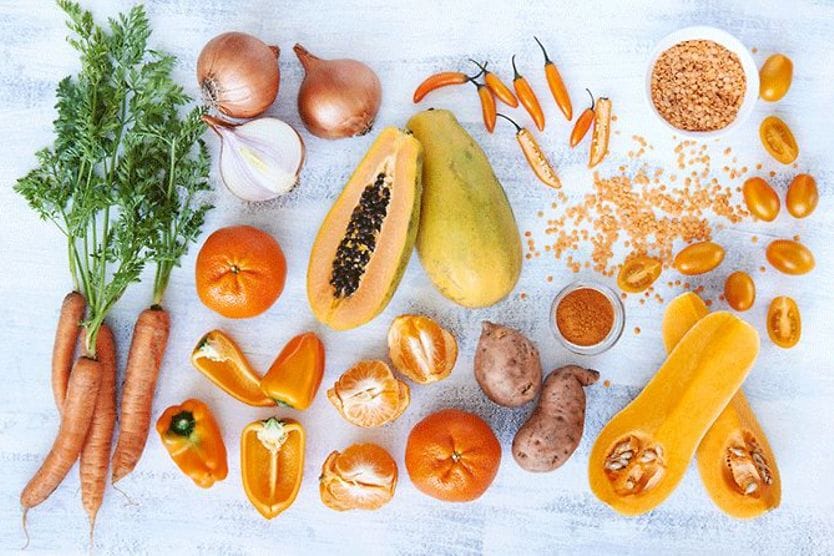
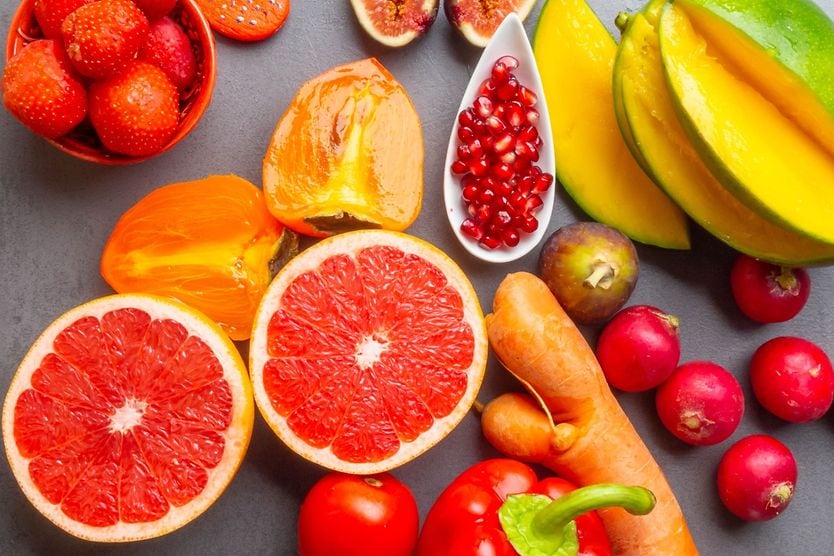
Many other foods have high-to-moderate levels of vitamin A, including:
- Beef liver
- Sweet potatoes
- Spinach (frozen, then boiled)
- Ricotta cheese
- Atlantic herring
- Cantaloupes, mangoes and sweet red peppers
If you eat half a cup of raw carrots, you’ll get more than half of your suggested daily intake of vitamin A.
But if you aren’t a fan of carrots, you can still get vitamin A from other food sources, including the ones listed above.
For example, the average sweet potato — baked with the skin on — provides over 150% of your daily value of vitamin A.
Can carrots reverse poor eyesight?
Eating a diet that’s abundant in vitamin A andbeta-carotene is good for your vision, but it can’t restore eyesight to 20/20. You’ll need help from prescription eyeglasses, [contact lenses](https://www.allaboutvision.com/eyewear/contact-lenses/types/contact-lenses/ ) or eye surgery if you have any notable level of blurry vision.
If you’re experiencing any eye or vision problems, schedule a comprehensive eye exam with an eye doctor.
SEE RELATED: Can eating carrots improve your eyesight?
Can carrots improve your night vision?
If you have relatively healthy vision, consuming more foods with vitamin A — including carrots — could help maintain your ability to see in the dark.
Vitamin A deficiency is linked to nyctalopia, the medical term for night blindness. Without vitamin A, the synthesis of rhodopsin — the part of your eyes that helps you see using low-light sources like the moon — can’t fully develop.
How else are carrots good for you?
Your eyes may be the biggest beneficiaries of a diet high in vitamin A. But early studies have suggested the nutrient may also be a potential treatment tool for certain cancers.
In food form, vitamin A might help reduce the likelihood of developing some cancers, too.
While vitamin A’s current connection to cancer is somewhat mixed, it may one day offer another reason to include foods like carrots in your diet.
And don’t forget, whole foods high in vitamin A usually come packed with other vitamins and minerals, too. While you try to help your eyesight, you may also be contributing to the health of other areas of your well-being.