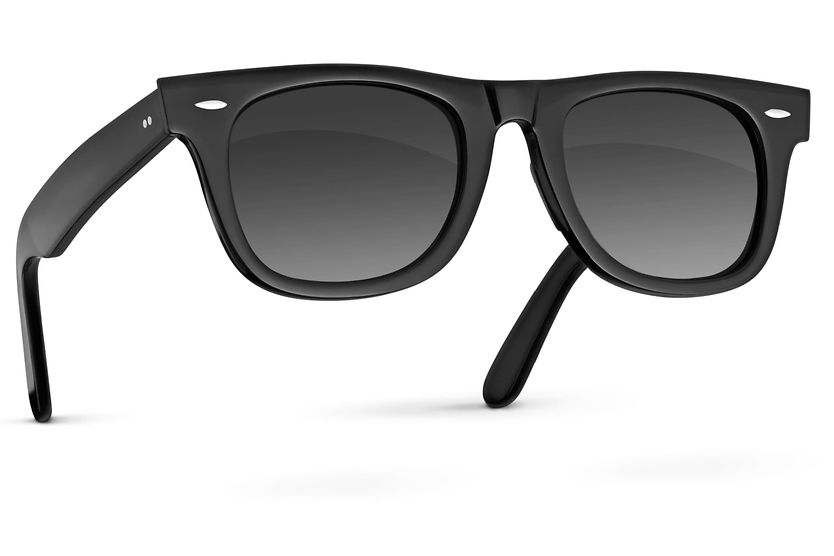
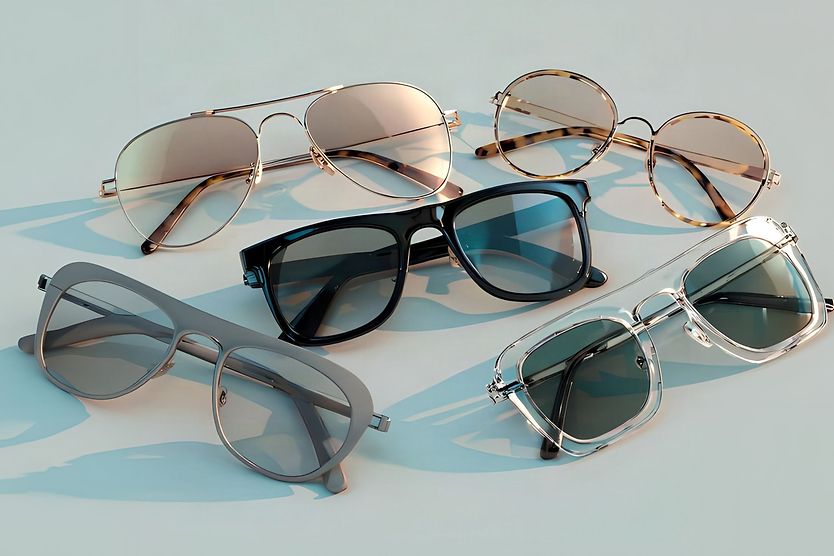
What are Rx sunglasses?

Prescription (Rx) eyeglass-wearers might not be able to purchase a pair of sunglasses off the supermarket shelf, but that doesn’t mean they’re short on options or affordability. Luckily, there’s a wide variety of Rx sunglasses — another way of saying “prescription sunglasses” — to choose from.
Rx sunglasses combine the vision correction of prescription eyeglasses with sun protection (when the lenses provide 100% UVA-UVB coverage).
Before you can order prescription sunglasses, you’ll need an up-to-date vision prescription. An eye doctor can provide you with one as part of a comprehensive eye exam. Once your prescription is in hand, you’ll generally be able to order Rx sunglasses from online or brick-and-mortar doctor’s offices or optical retailers.
Different types of Rx sunglass lenses
The lenses in Rx sunglasses can feature a combination of different materials and coatings. Each has its own purpose, suiting certain lifestyles, personal habits and work environments.
Materials and add-ons might seem overwhelming at first, but making informed choices can lead to more comfortable lenses in the long run.
Common lens options include:
- Polycarbonate lens material
- Specialized polyurethane-based lens material
- High-index plastic lens material
- Polarized lens coating
- Photochromic (transition) lens coating
- Gradient lens finish
- Mirrored lens finish
Lens materials
Aside from standard plastic or glass materials, three of the more common lens materials are polycarbonate, specialized polyurethane-based material and high-index plastic.
Polycarbonate lenses use a material that’s strong and resistant to impact, making them an ideal option for sports and other physical activities. The lightweight lenses are also up to 30% thinner than regular lenses.
Specialized polyurethane-based material, initially developed for military helicopter windshields, is also durable yet lightweight. However, lenses made of this material have less virtual distortion than polycarbonate, which can result in a slightly sharper field of view.
A downside of polycarbonate and specialized polyurethane-based lenses is that they tend to scratch easily. Depending on your lens and intended use, you may want to consider adding a scratch-resistant coating.
High-index lenses offer a thinner, lightweight alternative for people with a high degree of nearsightedness, farsightedness or astigmatism. These lenses bend light in a different way and require less lens material to correct your vision.
Lens coatings
Choosing a lens material is not the only way you can make a pair of Rx sunglasses your own. Polarized, photochromic and gradient coatings help you further customize the function of your sunglasses.
Polarized lenses help reduce glare, which can make them an ideal option for those who spend a considerable amount of time near water, snow or other reflective surfaces.
People who fish, participate in summer or winter sports, or simply want to drive more comfortably on a sunny day may all be able to benefit from polarized Rx sunglasses.
As helpful as polarized lenses can be, it’s important to keep their effect on digital screens in mind. Any type of polarized sunglasses can make it hard to see the backlit displays on devices like:
- Cell phones
- Smart watches
- Laptops
- ATMs
- Digital car dashboard controls
Photochromic lenses automatically get darker when they’re exposed to sunlight. In addition to offering the convenience of a single pair of sunglasses instead of two separate frames, Rx photochromic lenses often feature built-in protection from the sun’s ultraviolet (UV) rays.
When possible, it can be a good idea to test photochromic lenses before you buy them, since some lens brands take longer to darken than others. Some lenses also have difficulty darkening inside vehicles (or will not darken at all).
Gradient lens finishes usually have a darker shading at the top of the lens compared to the bottom. This can also be called a “single gradient.”
Gradient lens coating can be useful for cutting the glare from a bright sky, potentially offering a clearer view lower in your field of vision. For this reason, some people choose gradient lenses for driving, since the unshaded bottom half often allows for a clearer view of the dashboard.
Double-gradient lenses, on the other hand, utilize a darker tint on the top and bottom of the lens, but a lighter one in the middle.
Unlike polarized lenses, gradient Rx lenses do not typically reduce the glare from water or snow.
Rx sunglasses can also have a reflective mirrored finish — thin layers of metallic coating on regular lenses. These lenses can reflect and reduce visible light but still require full UV protection to safeguard your eyes from the sun.
How Rx sunglasses protect your eyes from UV rays
When you hear “sunglasses” and “UV,” you probably think of summer. But ultraviolet protection can be just as useful during other seasons, too. Under the right conditions, snow can reflect as much as 80% of sunlight.
UV protection is an important part of any pair of sunglasses — prescription or not. Overexposure to the sun’s UV radiation can increase your risk of developing certain eye conditions, including:
- Cataracts
- Eyelid melanoma (skin cancer)
- Age-related macular degeneration (AMD)
- Photokeratitis
- Pterygium
- Solar retinopathy
These risks can be even more pronounced for children, since their eyes are more sensitive to UV and are exposed to about three times more radiation than the adult eye.
Other people at risk for sun-related problems include those who spend long hours in the sun, have certain retinal disorders, have had cataract surgery or take medications that increase sensitivity to light.
Double check your UV protection
Rx sunglasses with 100% UV protection, along with other measures like wide-brimmed hats, can help protect your eyes from potentially harmful rays. In many cases, 100% UV protection is a standard feature; but it’s important to check the label to confirm.
In terms of UV protection, Rx sunglasses should block 100% of both UVA and UVB rays. This can also be advertised as “100% protection against UV 400,” “UV absorption up to 400 nm” or a similar phrase.
While UVB rays are usually seen as the more harmful form of UV, both UVA and UVB rays can increase your risk of developing certain eye conditions.
Less expensive Rx sunglasses can be just as effective in blocking UV as their more expensive counterparts — as long as they offer genuine 100% UV protection. In fact, a study found that the effectiveness of UV filtering in sunglasses did not correlate with the price of the lenses.
If you’re concerned about the amount of UV protection in your sunglasses, an optical shop may be able to use a device called a UV light meter to test the effectiveness of the lenses.
Affordable Rx sunglasses are available online
While countless brick-and-mortar stores offer high-quality Rx sunglasses with complete UV protection, you can get just as much browsing done from the comfort of your couch. These days, online retailers offer a number of styles, brand names and lens options to suit a variety of tastes.
While optional features like anti-reflective coating or a designer brand name can bring up the overall price, the total price of your sunglasses will depend on factors like:
- Lens material
- Lens coating
- Frame material
And remember, you will need a valid eyeglasses prescription from an eye doctor to complete any orders.
Using vision insurance for sunglasses
If you have vision insurance, some or all of the cost of prescription sunglasses could be covered. Many vison plans will cover either glasses or contact lenses every calendar year but have a dollar limit to how much they’ll reimburse you.
When available, those who have already used this year’s benefits can purchase their sunglasses with funds from their Health Savings Account (HSA) or Flexible Spending Account (FSA). These accounts allow people to set aside money for certain medical expenses without being taxed.
Some plans may not include Rx sunglasses as part of their coverage. For more information about coverage and eligibility, check with your vision insurance provider.
SEE RELATED: Using an HSA or FSA for vision expenses
Clear, safe vision with sunglasses made just for you
If you wear prescription eyeglasses, putting on a pair of sunglasses doesn’t mean you have to sacrifice clear eyesight. With a little research and careful browsing, made-to-order Rx sunglasses with 100% UVA-UVB lens protection can correct your vision and help protect your eyes from the sun.