What to consider when choosing glasses
Eyeglasses: The basics
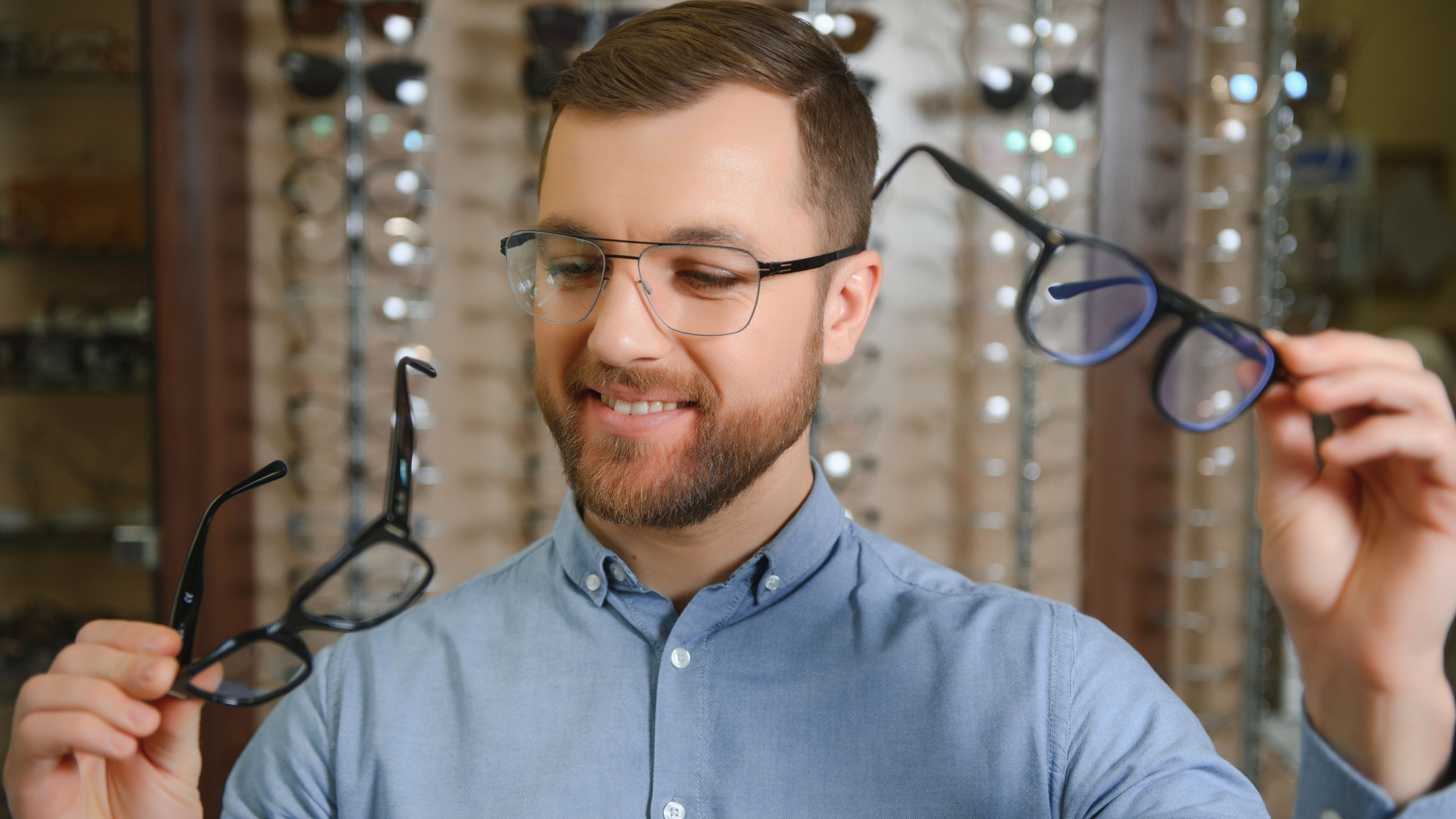
Eyeglasses are more popular than ever, even with innovations in contact lenses and vision correction surgery. Frames with designer names remain in demand. Even youngsters who might ordinarily avoid the "nerd" factor of glasses enjoy wearing them thanks to bespectacled real and fictional role models.
Eyeglass frame materials
Frames are generally fabricated from plastic or metal, but a wide variety of materials can be used, depending on the desired characteristics of the frame.
For example, for safety glasses, you may need a durable, lightweight frame material, such as polycarbonate. If you’re allergic to certain metals, you may need to look for eyeglass frames made of hypoallergenic materials, such as titanium or a titanium-based memory metal alloy. Your eye care provider can help you select the right frame material for your needs.
Certain types of eyeglass frames are highly flexible, which reduces the possibility of breakage. Spring hinges can also increase frame durability. These types of frames can be ideal for kids' eyeglasses and glasses for active wear.
Improved designs of nose pads contribute to comfort and the look of how eyeglasses are positioned in front of the face. New silicone nose pads, for example, can help prevent "slippage" but are often so lightweight and soft that they are hardly noticeable.
Eyeglass frame styles
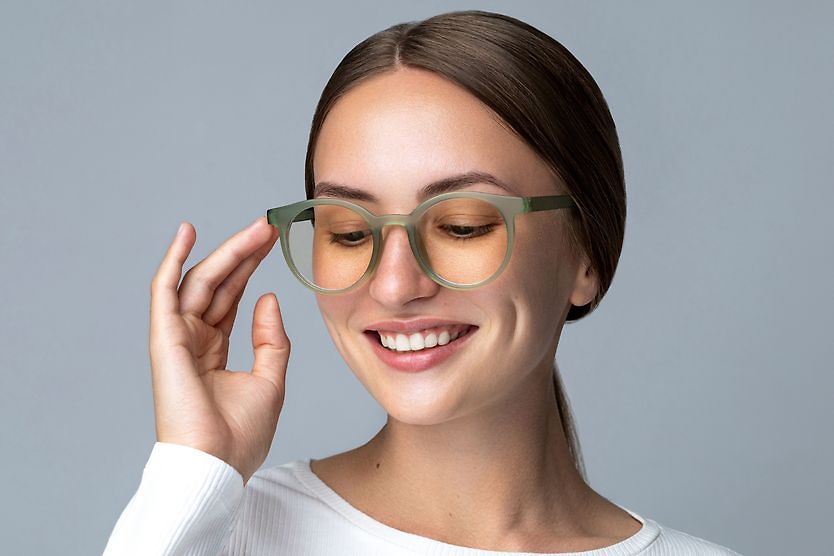
Eyeglasses have also become quite stylish as fashion accessories, especially among fans of high-end designers. Many people choose frames the same way they choose shoes or handbags — selecting different colors and styles to match their wardrobes.
Multi-colored inlays, composite materials, designer emblems and enhancements such as insets of precious stones can be found in popular frame styles.
Rimless styles offer an understated way to wear eyeglasses without obvious frames. In some rimless styles, plastic or metal temples attach directly to the lenses rather than onto a frame "body."
New eyeglass frame styles are continually being introduced. Innovations include wood and bamboo frame materials and bold shapes, colors and designs in both plastic and metal frames.
Eyeglass frames are available in a wide variety of designs, from playful cat-eye shapes and cutouts with elaborate elements to those featuring swirls and angular patterns. Other styles include classy designer logos and patterns embedded in translucent backgrounds.
Kids' eyeglasses may look similar in style to those worn by adults, but they’re often more colorful and designed with an emphasis on durability, which can help reduce the need for frequent replacements.
Advances in eyeglass lenses
Other reasons eyeglasses are popular include technological advancements that make modern lenses thinner and lighter than ever before.
Some popular eyeglass lenses and lens treatments available today include:
- Aspheric lenses – Typically provide a slimmer profile and sharper peripheral vision than conventional eyeglass lenses.
- High-index plastic lenses – Designed for strong prescriptions, and are thinner and lighter than conventional lenses.
- Wavefront technology lenses – Fabricated based on very precise measurements of the way light travels through your eye, which helps sharpen visual clarity.
- Polycarbonate lenses – Are thinner, lighter and more impact-resistant than regular plastic lenses, making them ideal for safety glasses, sports eyewear, and eyeglasses for children and active adults. They also provide built-in protection against the sun's ultraviolet (UV) rays.
- Photochromic lenses – Darken automatically in sunlight to reduce the need for separate prescription sunglasses.
- Polarized lenses – Diminish glare from flat, reflective surfaces (like water) and also help reduce eye fatigue.
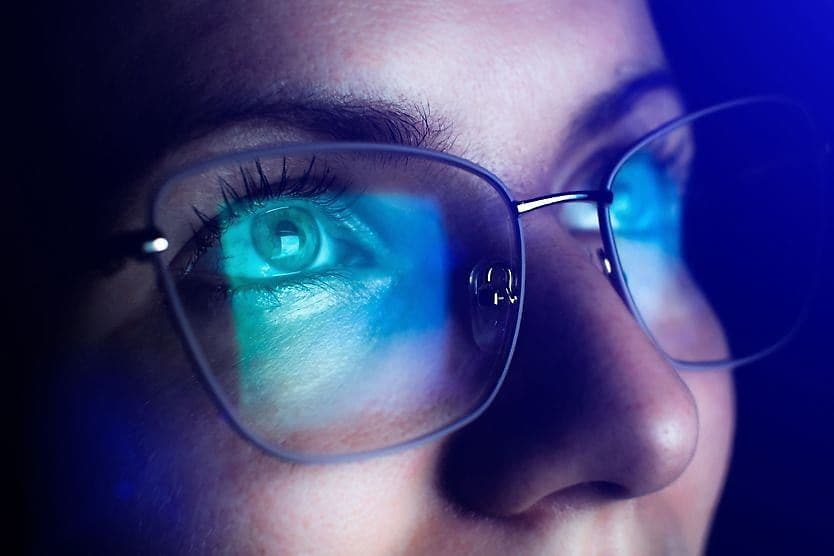
- Anti-reflective coating – Improves the look and comfort of your glasses by reducing distracting lens reflections that interfere with eye contact and make your lenses look thicker. AR-coated lenses also reduce glare and allow more light to enter your eyes, which can be especially helpful at night.
Other lens coating options include scratch-resistant coating, anti-fog coating and UV-blocking lens treatments.
SEE RELATED: How to choose the best lenses for your glasses
Eyeglass lenses for presbyopia
Presbyopia is a normal age-related loss of near focusing ability that affects virtually everyone sometime after age 40. Eventually, small print becomes difficult to read without multifocal lenses (if you already wear eyeglasses for nearsightedness, farsightedness or astigmatism) or reading glasses (if you don't need prescription lenses to see distant objects clearly).
Multifocal and single vision eyeglass lenses available for presbyopia correction include:
- Bifocals – Traditional bifocals have a clearly defined zone in the top half of the lens for distance vision and a zone for near vision in the bottom half of the lens. The zones are separated by a noticeable line.
- Trifocals – These lenses have three different zones for seeing at varying distances — near, intermediate and far — and can be custom-made for you to accommodate your lifestyle or occupation.
- Progressive lenses – These lenses allow you to focus at many different distances. Because they have no lines, progressive lenses can allow for a smooth, comfortable transition from one distance to another.
- Reading glasses – These are single vision lenses that contain magnifying power that allows a person with naturally good distance vision to see clearly up close after the onset of presbyopia. Reading vision can be enhanced when wearing these lenses, but distant objects will usually be blurry through them. Reading glasses can be purchased with or without a prescription, and are generally available in powers ranging from +1.00 to +3.00 diopters (D).
Sunglasses
From a timeless aviator look to the sophistication of new designer styles, sunglasses are as common in outdoor settings as seashells on a beach.
As much as sunglasses make a fashion statement, they also serve as an important device to help protect your eye health from damaging UV rays. Various types include:
- Plano sunglasses (non-prescription)
- Prescription sunglasses
- Kids' sunglasses
Eyewear for sports vision and safety
People who participate in certain sports and recreational activities could benefit from specialized eyewear with features that provide extra protection or vision correction beyond what is found in an ordinary pair of eyeglasses or sunglasses.
Sport sunglasses and performance eyewear can give you just the right tint, protection and design for your outdoor activity.
Diving masks and swim goggles are also available to accommodate your eyeglass prescription.
Ski goggles come in several different lens tints to increase your ability to see bumps and ice on the trail, depending on the lighting conditions at your favorite slopes. Some ski goggles are sized so they can be worn over regular eyeglasses.
Shooting glasses for hunters or rifle and handgun enthusiasts need to be extra tough and scratch-resistant, as well as specially tinted to enhance contrast and clarity of vision in the outdoors.
Protective eyewear is essential for sports such as baseball, where a hard-hit line drive can permanently damage an unprotected eye.
Sports eyewear for teens and young athletes is especially important because a large percentage of sports-related eye injuries occur among teens and young children.
Safety glasses and goggles in some work environments, such as construction sites, may be required by law. But even if safety glasses aren't mandated, it's still very prudent to wear them when you work or play in circumstances where your eyes are exposed to hazards, such as airborne particles and debris.
Advice for buying eyeglasses
Your vision needs, personal taste and lifestyle provide a helpful guide to finding the right eyeglasses for you.
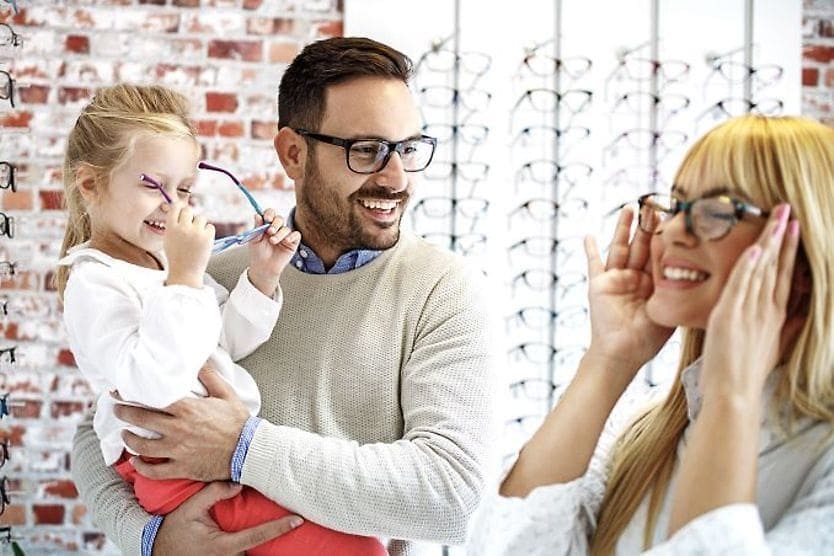
When selecting frames, make sure you analyze your face shape and coloring so that you find the most flattering look. While it's fine to admire what a favorite celebrity might be wearing, remember that the same style might not be the right look for you.
It's also important to keep in mind that some frames just aren't right for certain types of lenses. Progressive lenses, for example, may not work as well in certain frames.
Choosing a relatively small frame that centers on your eyes may be helpful if you have a high prescription. Your eye care provider can help determine the optimal frame shape and lenses for your needs.
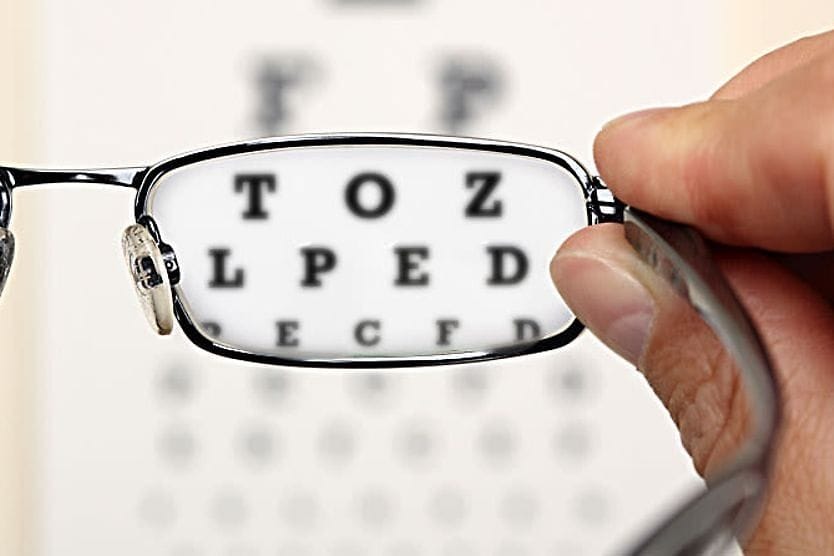
Finally, schedule a comprehensive eye exam with an eye doctor near you to update your glasses prescription before you buy a new pair. And wherever you choose to buy your glasses, ask about return or refund policies before you buy, in case you're unhappy with your glasses after you purchase them.
READ NEXT: Parts of glasses and their functions