What is a subconjunctival hemorrhage?
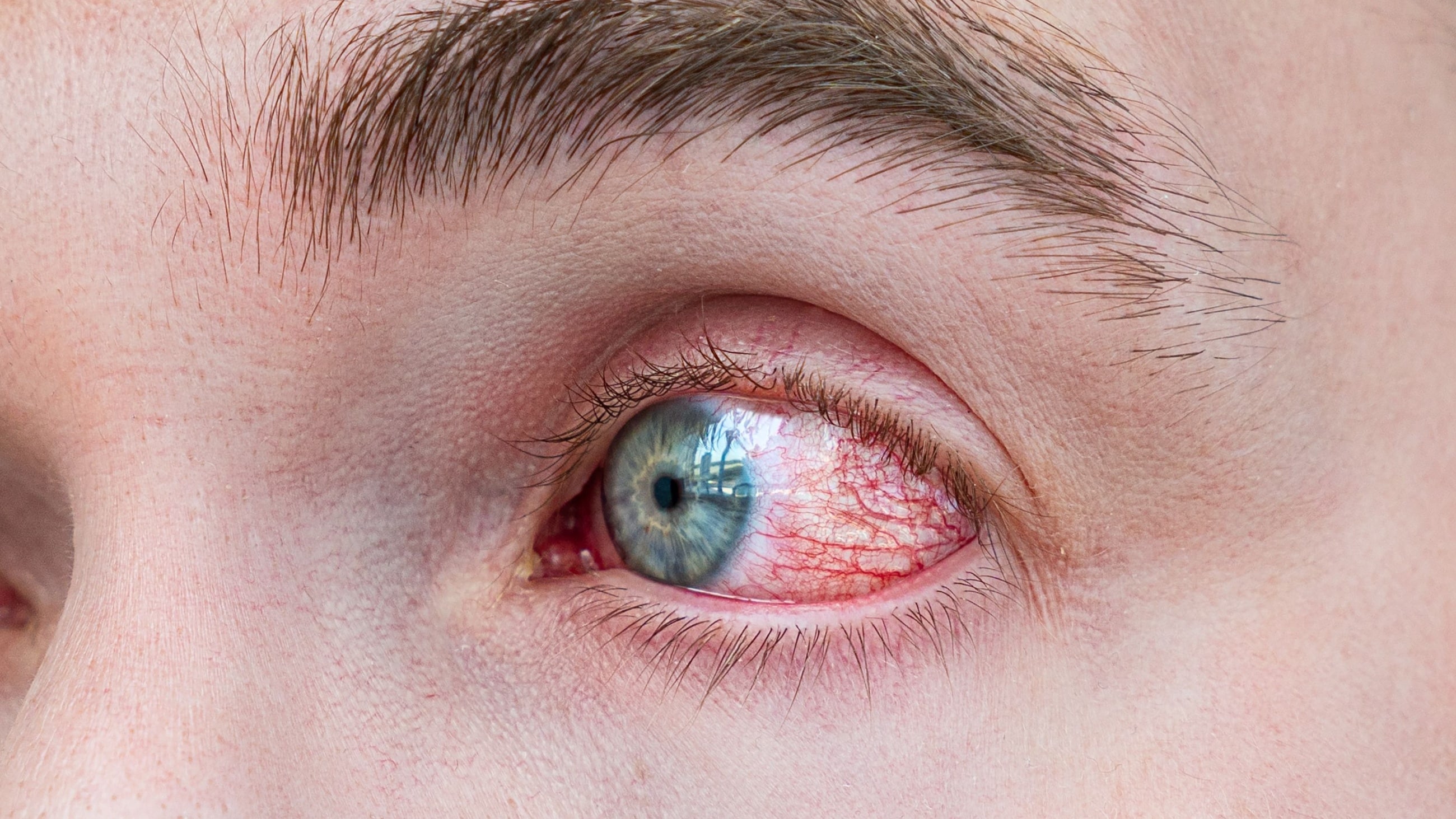
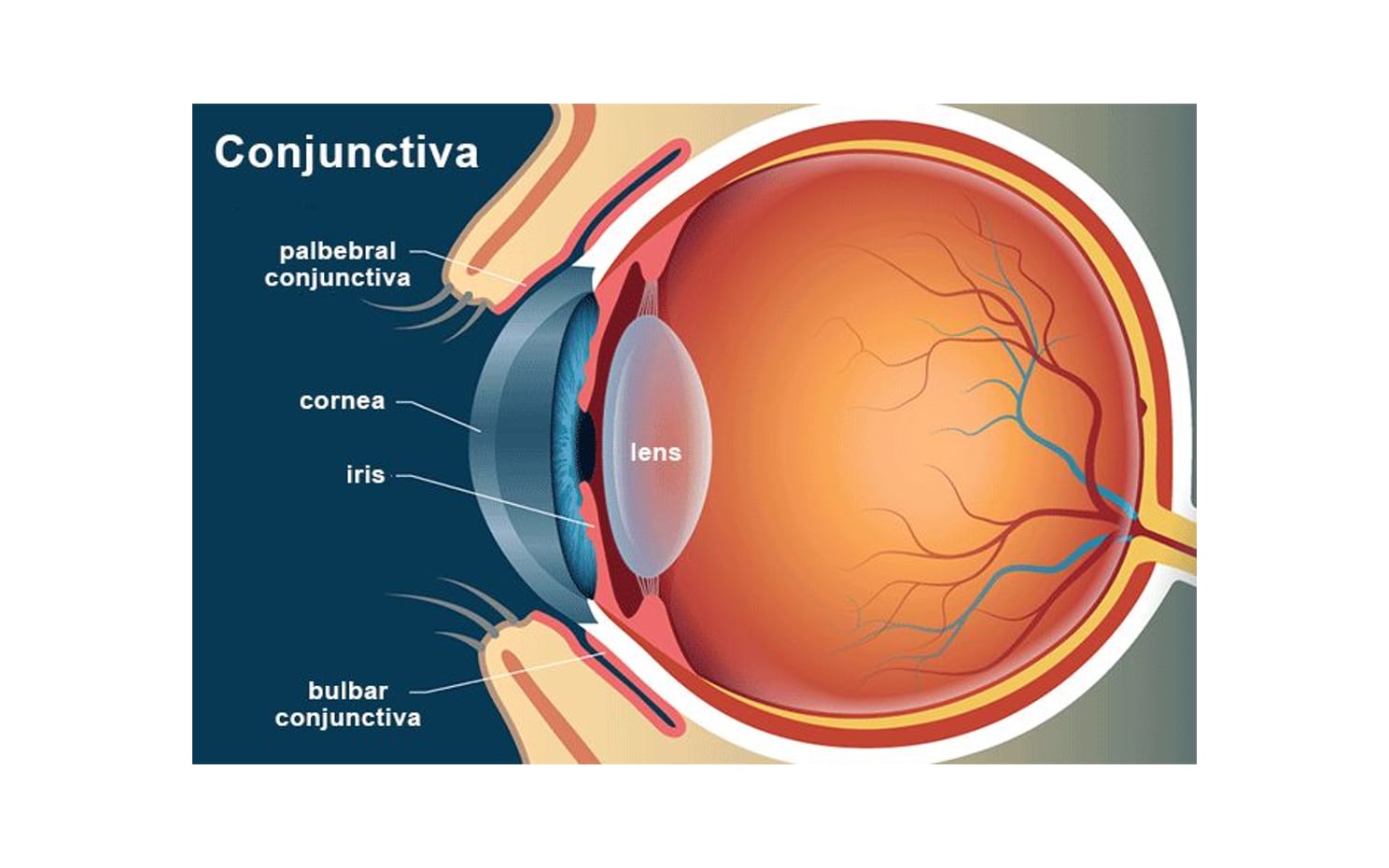
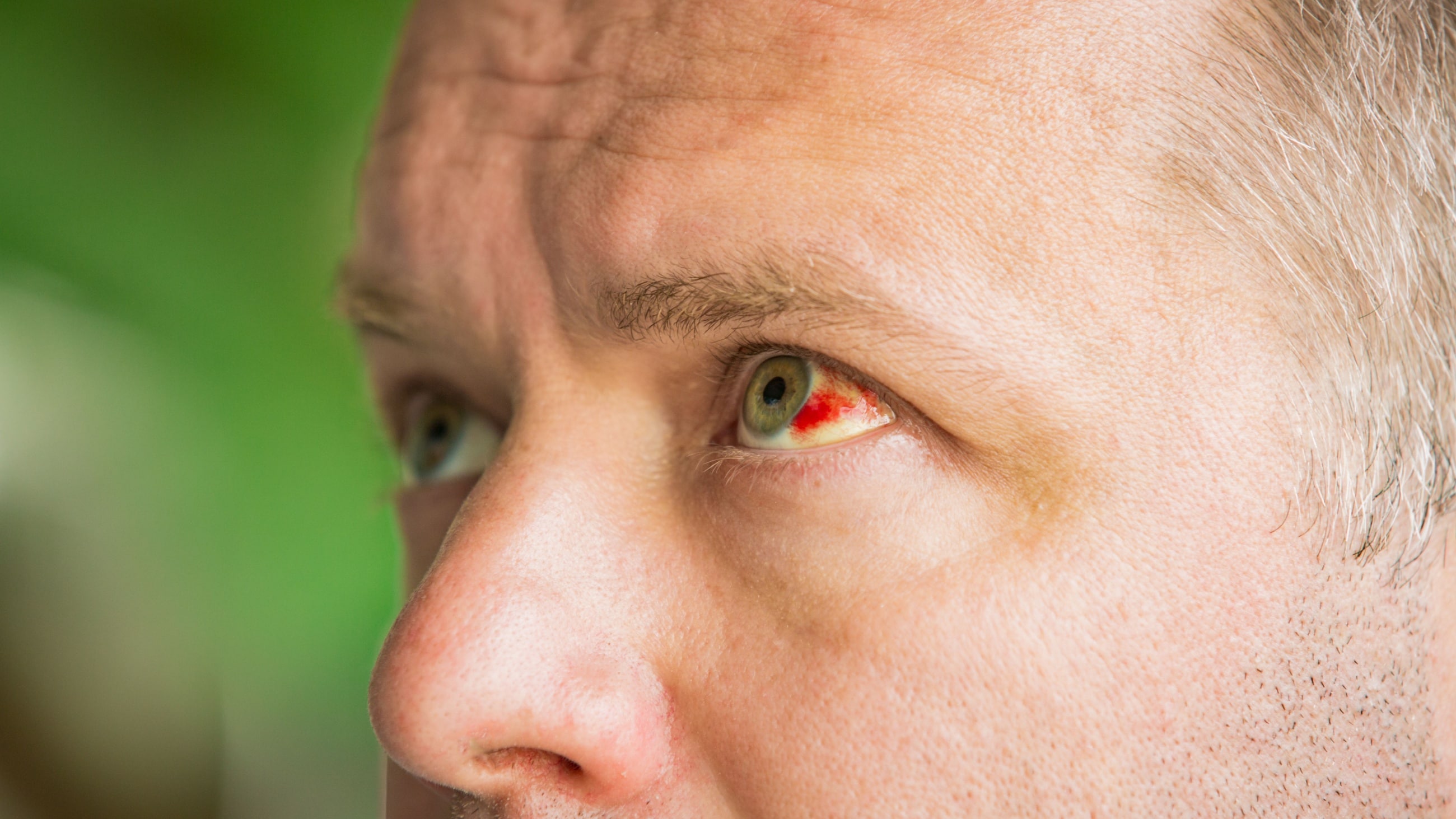
A subconjunctival hemorrhage is a bright red spot on the white of your eye (sclera). It’s caused by a small broken blood vessel under the conjunctiva, the thin, clear tissue that covers the sclera.
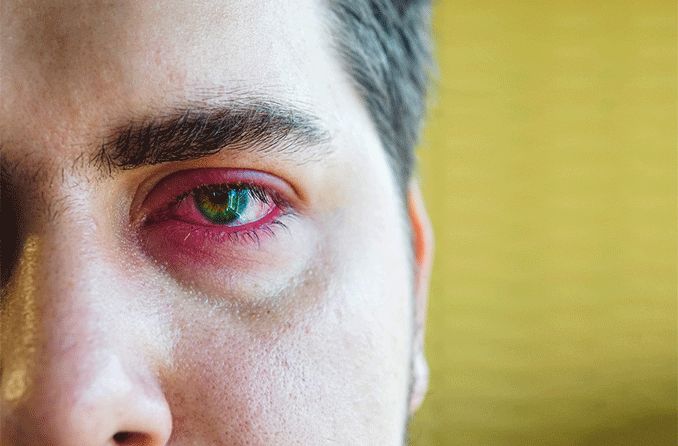
Some subconjunctival hemorrhages look like a small red patch, while others can cover the entire white part of your eye and make it look red and bloody.
Though it may look scary, a subconjunctival hemorrhage is almost always harmless and goes away without any treatment.
How long will it take for the broken blood vessel to heal?
A subconjunctival hemorrhage should heal on its own within one to three weeks. During this time, the bright red patch may turn a deeper red color, then look more yellow as the blood is reabsorbed by the body.
If the red area doesn’t go away (or get significantly smaller) within a few weeks, talk to an eye doctor.
How to make sure it’s harmless
A subconjunctival hemorrhage is blood on the front of the eye, not blood inside the front of the eye.
A broken blood vessel under your conjunctiva only affects the white part of your eye. It doesn’t involve the clear, dome-shaped layer at the front of your eye (cornea).
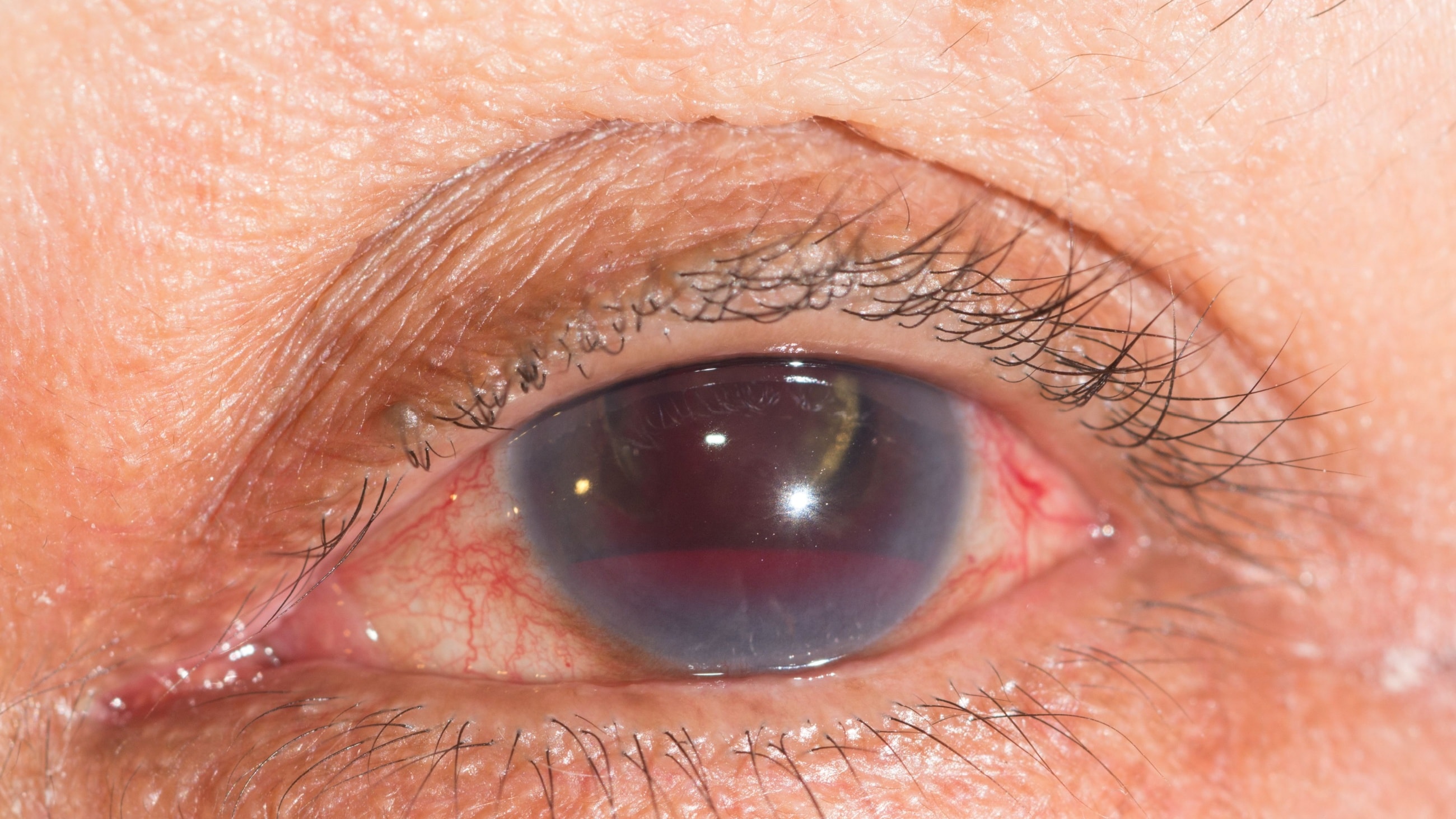
When blood collects behind the cornea, it’s a different condition called hyphema. This is a serious problem that should be checked by a doctor right away.
If you aren’t sure whether you have a subconjunctival hemorrhage or are concerned about something else, see an eye doctor. They can examine your eye and tell you for sure.
Subconjunctival hemorrhage symptoms
A subconjunctival hemorrhage usually doesn’t cause any symptoms. Some people might feel like their eye is a little gritty or irritated.
A bright red spot on the white of your eye is the only visible sign of a subconjunctival hemorrhage. It can be a relatively small spot or cover a large area of your eye (in some cases, the entire white part).

Does a subconjunctival hemorrhage affect vision or cause pain?
No, a subconjunctival hemorrhage doesn’t cause eye pain, blurry vision or other eye-related symptoms.
If you have any symptoms besides mild irritation, there may be a different problem involved, and you should talk to an eye doctor or other healthcare professional.
What causes a subconjunctival hemorrhage?
Several things can cause a subconjunctival hemorrhage. Some potential causes are:
- Coughing
- Sneezing
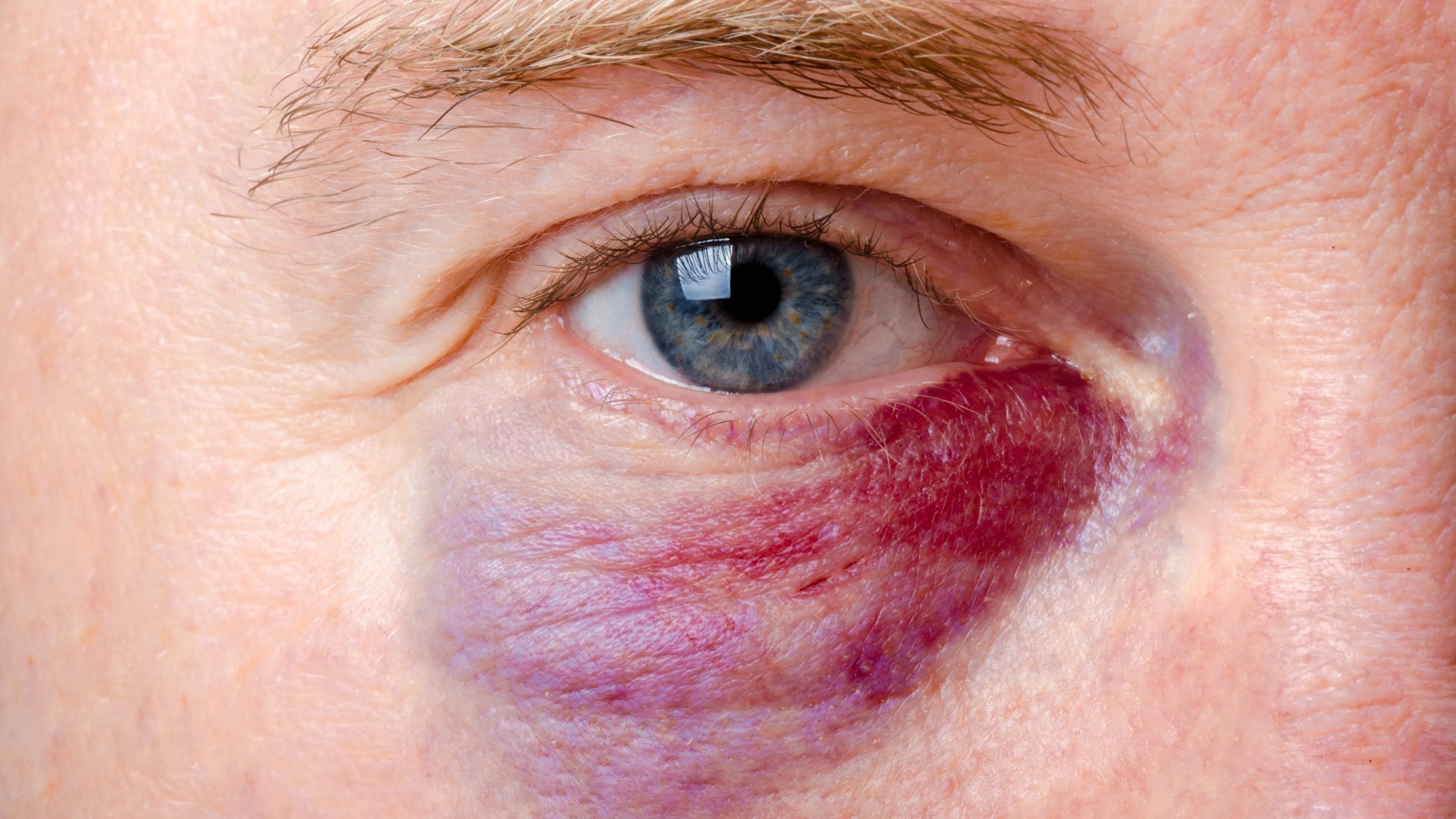
- Eye trauma
- Constipation
- Vomiting
- Rubbing your eyes
- Heavy lifting
- Eye surgery
Things that can increase your risk
Some people are more likely to get a broken blood vessel in their eye. Some risk factors are:
- High blood pressure
- Diabetes
- Age 50 or older
- Wearing contact lenses
- Taking blood-thinning medications, like aspirin or warfarin
- Using steroid eye drops for a long time
Rare causes
Uncommonly, subconjunctival hemorrhages can be a sign of:
- A problem with how your blood clots (sometimes caused by advanced liver disease)
- A low number of platelets in your blood (thrombocytopenia)
- A blood disease, like leukemia or von Willebrand disease
- A buildup of proteins in the eye or body (ocular amyloidosis)
- An unusual growth of blood vessels (cavernous hemangioma)
If you keep getting or seeing blood in your eye without a clear reason, the hemorrhages might be related to a separate health or eye problem. A doctor can help you find out what’s causing them, if needed.
There isn’t always a clear cause
It is common to find no cause for a subconjunctival hemorrhage, and this isn’t a cause for alarm.
How are subconjunctival hemorrhages treated?
A subconjunctival hemorrhage usually doesn’t need treatment and heals on its own.
In some cases, an eye doctor may recommend artificial tears eye drops to keep your eye more comfortable while the natural healing process takes place.
How to prevent subconjunctival hemorrhages
Follow these tips to avoid broken blood vessels in your eye:
- Wear protective safety glasses and sports eyewear to avoid eye injuries.
- Avoid rubbing your eyes. If your eyes itch, see an eye doctor to find the cause and a possible treatment.
- Clean and disinfect your contact lenses as directed.
- If you have allergies, work with your doctor to manage them. This can help allergy-related eye inflammation and limit how much you sneeze or cough.
- Work with your doctor to manage high blood pressure or other conditions that raise your risk for subconjunctival hemorrhage.
- If you’re on blood-thinning medicine, ask your doctor about adjusting your medication or dosage.
When should I see an eye doctor?
Most subconjunctival hemorrhages are harmless and go away on their own.
In some cases, another problem is involved, and it’s important to find the cause. Talk to your eye doctor or health care provider if:
- The red spot doesn’t go away within a few weeks
- The blood in your eye keeps coming back
- You have eye pain or vision changes
- You see blood pooling behind your cornea (inside your eye)
- You recently had an eye or head injury
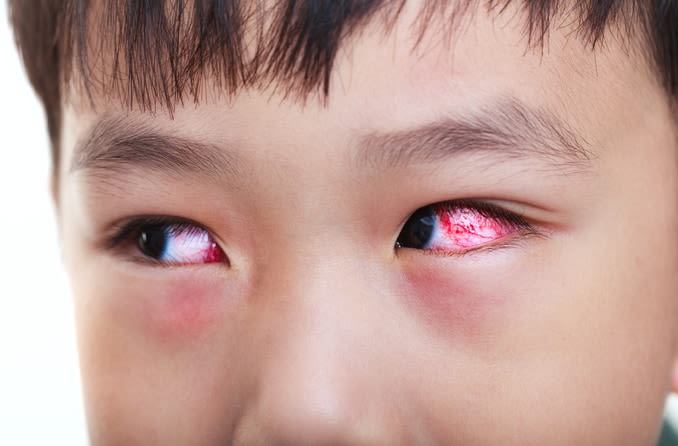
Other problems can cause eye redness, too. However, this redness may look more spread out or “bloodshot” and come with other signs or symptoms. Some common examples are:
- Conjunctivitis (pink eye) – Itchy, watery eyes, sometimes yellow or green discharge
- Episcleritis – Irritation and teariness
- Scleritis – Deep pain, light sensitivity, tearing
- Corneal ulcer (keratitis) – Severe pain, tearing, discharge, blurry vision
- Iritis (anterior uveitis) – Pain, light sensitivity, blurry vision
If you aren’t sure whether you have a subconjunctival hemorrhage or are concerned about something else, see an eye doctor. They can examine your eye and tell you for sure.