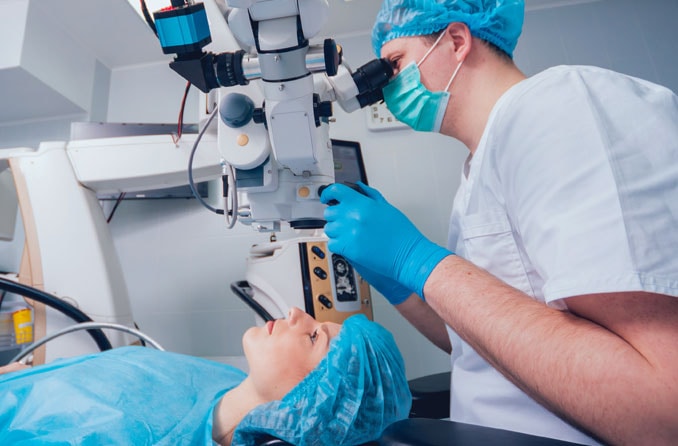

Dry eye is common after LASIK vision correction surgery. In fact, research shows that almost half the patients who undergo LASIK have some degree of dry eyes following the procedure, and symptoms sometimes can persist for weeks, months or even longer.
But to keep the problem in perspective, many people who seek LASIK already have dry eyes. As an example, contact lens wearers who find their lenses uncomfortable because of dry eyes may investigate LASIK as an alternative because they do not want to wear eyeglasses.
Fortunately, screening for LASIK has led to advances in dry eye detection and treatment. Many people wanting laser vision correction now have the chance of actually solving their pre-existing dry eye problem if it is addressed in the LASIK consultation.
How Does LASIK Cause Dry Eyes?
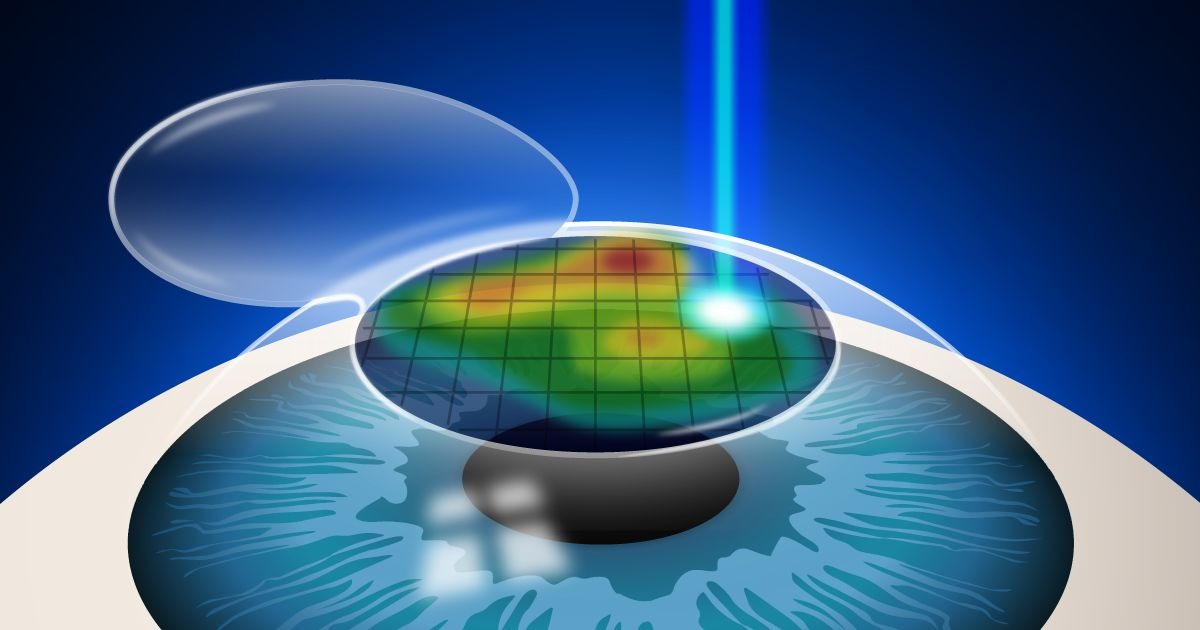
LASIK causes some nerves in the cornea to be cut, which reduces corneal sensitivity to some degree. In response, you eye may not sense the need for lubrication, causing your body to produce fewer tears, leading to dry eye syndrome.
Dry eyes after LASIK can cause both discomfort and less than optimal visual outcomes. For this reason, many eye surgeons now recommend that you use lubricating eye drops or other therapies to help maintain eye moisture. As a precaution, you also may be given treatments to increase eye lubrication in advance of a LASIK procedure even if you don't have any sign of dry eyes.
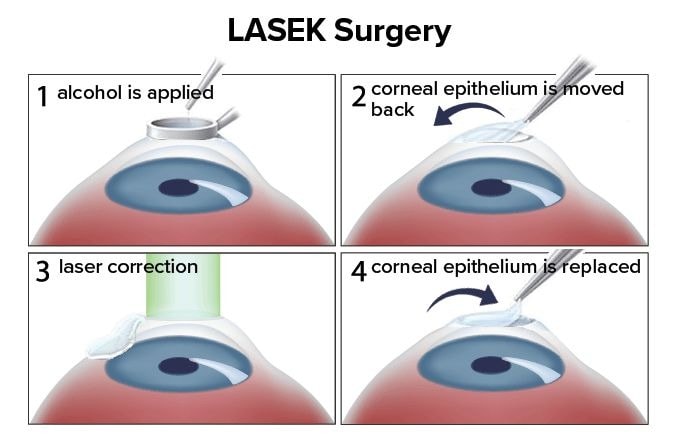
In some cases where dry eyes are of extra concern, corrective vision procedures that do not involve creating a thin flap on the eye's surface‚ such as PRK‚ may be recommended instead of LASIK.
Dry Eye Screening for LASIK Patients
Both the quality and the quantity of tears you produce are factors in the development of dry eyes, which also can affect healing after eye surgery.
Because eye surgeons now increasingly recognize that the best LASIK outcomes may depend on controlling dry eyes, you probably will undergo screening in advance of a procedure.
Various tests for detecting dry eyes include:
- Schirmer's test. A thin strip of paper placed under the lower eyelid to measure tear production.
- Tear breakup time. Placement of a small amount of dye on the eye's surface to monitor how tears are distributed and when they "break up" on the eye's surface.
- Imaging. Keratometers or other instruments that provide a view of the tear film without touching the eye's surface.
- MMP-9 Testing. To perform this is a painless test, your doctor will collect a small sample of your tears from the inside of your bottom lid. Within minutes, you'll know whether you have high levels of a protein that can cause you to struggle with inflammatory dry eye after LASIK.
While assessing you as a possible candidate for a LASIK procedure, your eye surgeon also may need to determine if you have an underlying condition that might be causing dry eyes.
Who Is Most at Risk of Dry Eyes After LASIK?
Research at Baylor College of Medicine in Houston has shown that people with high degrees of myopia have a greater risk of dry eyes after LASIK than people with lesser degrees of nearsightedness prior to surgery.
Other causes of dry eye syndrome before or after LASIK include:
- Older age, particularly if you are female and have undergone menopause.
- Allergy medications (antihistamines), certain blood pressure medications and anti-depressants that can decrease eye moisture.
- Autoimmune diseases such as diseases such as Sjogren's syndrome.
- Unusually dry climates or environments, such as a room that is highly heated or air-conditioned.
Again, having dry eyes prior to a LASIK procedure will not automatically eliminate you as a candidate. But your eye surgeon will need to consider the severity of your condition and the possibility of effective treatment before recommending a procedure.
Treatment of Dry Eyes Before and After LASIK
Even if you do have a pre-existing dry eye condition, LASIK surgeons may consider treating you prior to LASIK or other procedures rather than eliminating you as a candidate.
Your eye surgeon may also treat you for dry eyes prior to a LASIK procedure as a precaution, even if your tear production ordinarily is normal.
You may be advised to take flaxseed oil or fish oil orally for several weeks before your vision correction surgery to improve your tear film. You also may need to use lubricating eye drops before and after a LASIK procedure.
Your eye surgeon also might recommend prescription eye drops such as Restasis to reduce inflammation and help your body formulate more tears.
Other common dry eye remedies include punctal plugs, which block tear drainage channels to increase moisture on the eye, and anti-inflammatory medications such as corticosteroids administered as eye drops.
Preventing Dry Eyes After LASIK
When meeting with your LASIK surgeon during your assessment as a candidate, make sure you mention any eye symptoms that could indicate a dry eye problem, such as a foreign body sensation or eye irritation. Even excessive tearing can indicate that you have dry eyes.
Studies indicate that taking omega-3 fatty acid supplements and eating food containing these "good fats," such as salmon, can help maintain a healthy tear film. Drinking plenty of water also can help keep your body and your eyes properly hydrated.
Also, make sure you have a frank discussion with your LASIK surgeon about the possibility of developing dry eyes following a procedure. Ask what specific steps can be taken in case of dry eyes to restore the eye's tear film and comfort until healing is complete.
Again, keep in mind that many dry eye symptoms following a refractive surgery procedure usually are relatively mild and disappear in time. However, some LASIK patients have reported severe and ongoing problems with dry eyes.