Eyeglasses that enhance sports performance

Sports glasses are eyeglasses specially designed to:
- Fit securely and comfortably during physical activity
- Keep your eyes safe
- Enhance your vision while you play the sports you love
In most sports, vision plays a big part in performance. It's important for your eyesight to be clear and protected.
Even if you have20/20 vision, the right sports eyewear can reduce glare and enhance contrast to help you see better and, in some cases, react faster.
Sports glasses may boost performance
In some cases, sports eyewear can have a profound effect on athletic performance. For this reason, many professional sports team have an eye doctor on staff who is a sports vision specialist.
| Badminton | Protective sports eyewear (goggles or glasses made with polycarbonate or specialized polyurethane-based material). |
| Baseball | For batting and base running: Helmet with attached polycarbonate face shield.; For fielding: Sports goggles or sport sunglasses with shatter-proof lenses and an attached head strap. |
| Basketball | Wraparound sports goggles or glasses. |
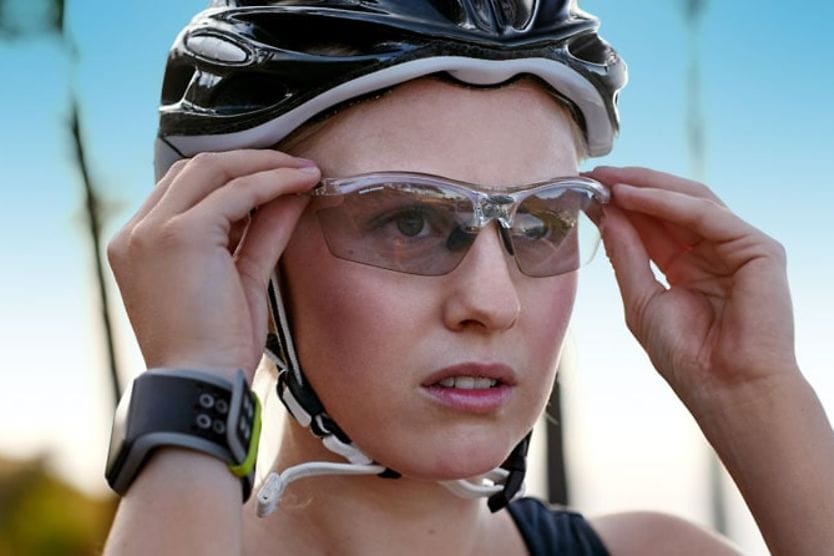
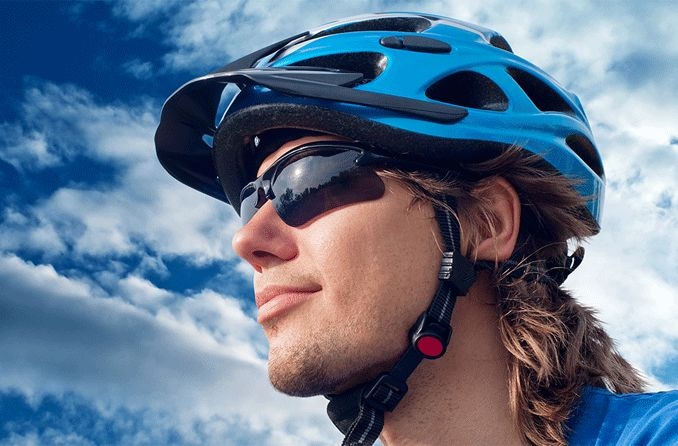
| Bicycling | Performance sunglasses with anti-fog and anti-scratch lens coatings. |
| Boxing | There is no protective eyewear for boxing. Keep in mind the risks you take when stepping into the ring and make sure you get regular eye exams to check for scratched corneas (corneal abrasion) and retinal detachment. |
| Fencing | Full-face protective mask made of a fine mesh of rigid metal. |
| Field hockey | All players: Sports goggles with secure head straps.; Goalies: Full helmets and face masks. |
| Fishing | Polarized sunglasses with anti-reflective coating. |
| Football (American) | Polycarbonate shield attached to helmet. |
| Golf | Polarized sports sunglasses. |
| Handball | Sports goggles with polycarbonate or specialized polyurethane-based lenses. |
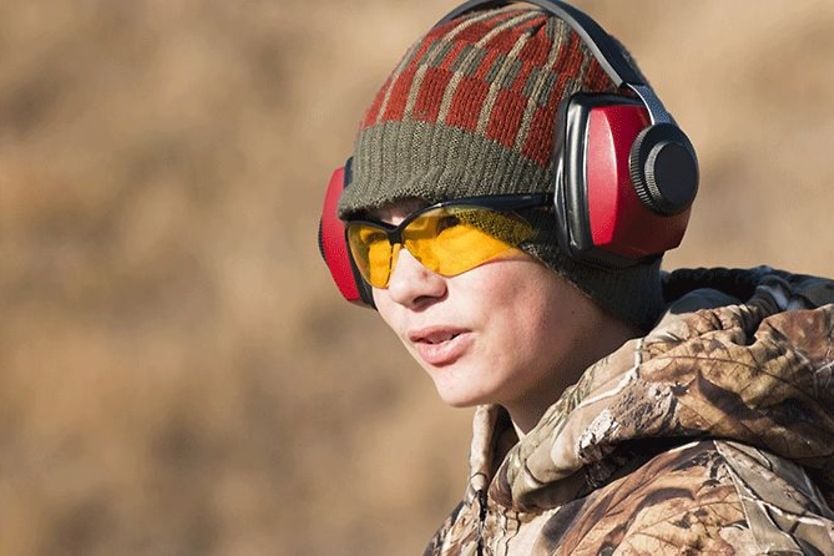
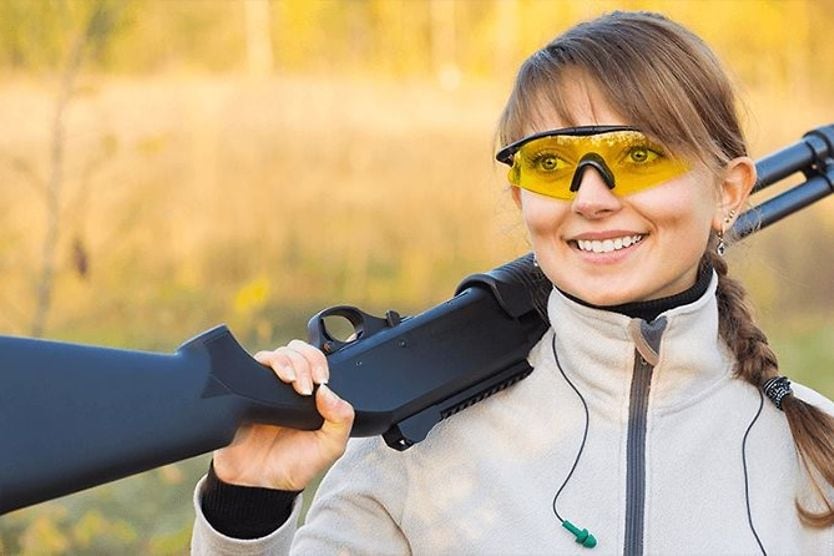
| Hunting and shooting | Polarized, shatter-resistant shooting glasses. |
| Ice hockey | Full-face helmet. |
| Lacrosse | Form-fitting and padded face mask. |
| Paintball | Full-face helmet. |
| Racquetball | Sports goggles with polycarbonate or specialized polyurethane-based lenses. |
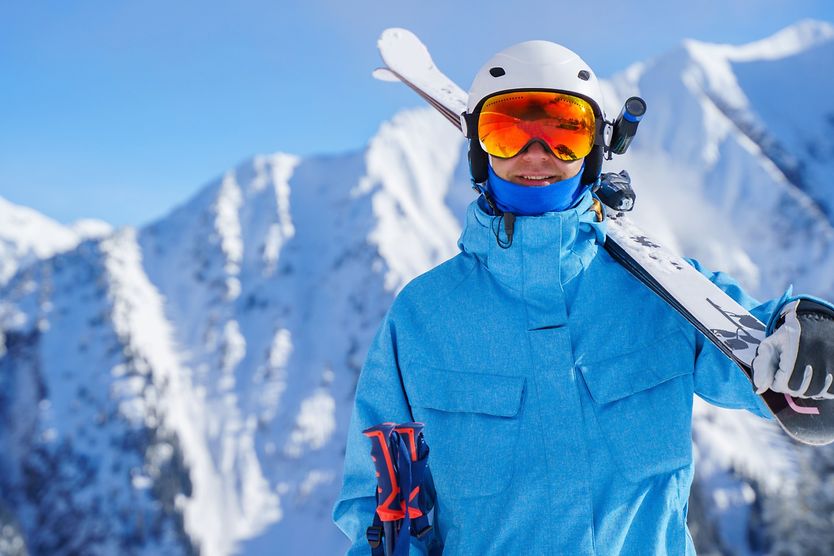
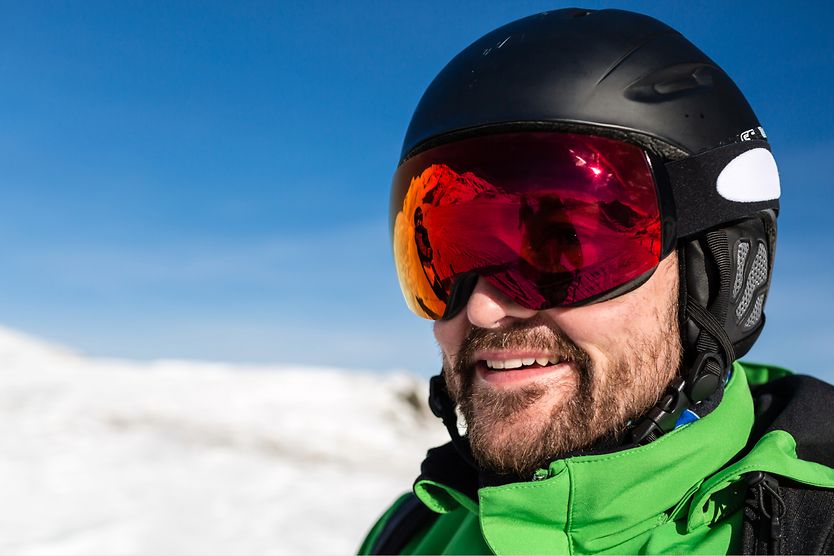
| Skiing and snowboarding | Ski goggles or wraparound polarized sunglasses with mirror-coated lenses. |
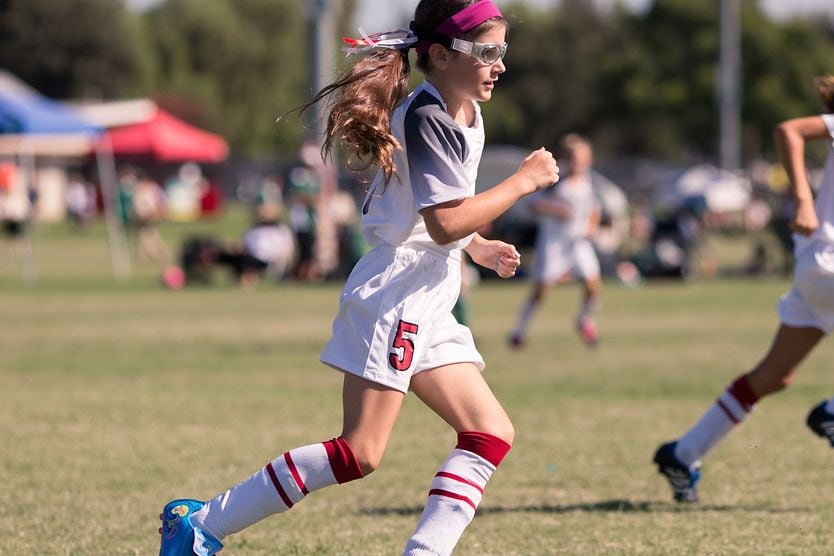
| Soccer | Sports goggles. |
| Softball | For batting and base running: Helmet with attached polycarbonate face shield.; For fielding: Sports goggles or sunglasses with shatter-proof lenses with an attached head strap. |
| Squash | Sports goggles or glasses. |
| Street hockey | All players: Sports goggles with secure head straps.; Goalies: Full helmets and face masks. |
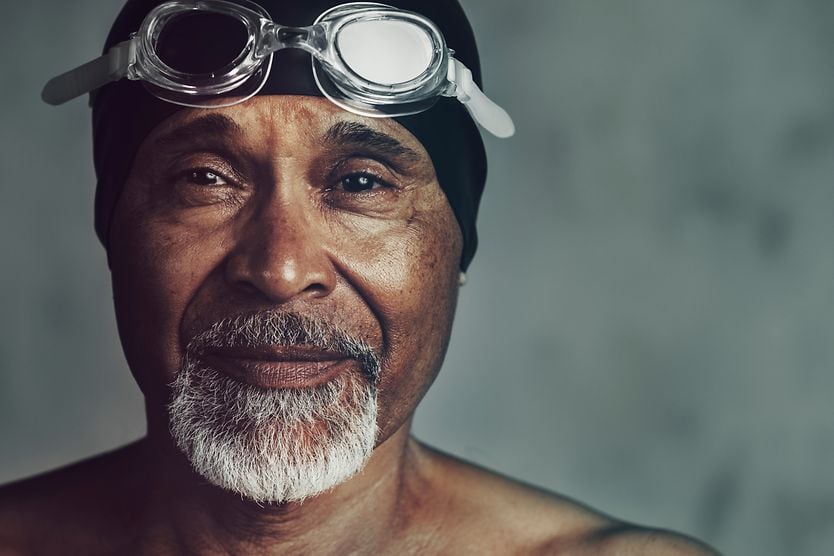
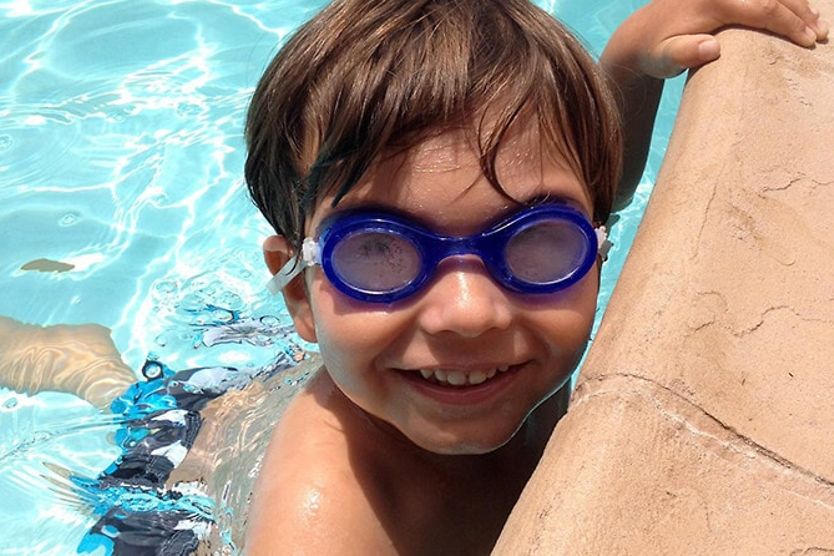
| Swimming and diving | Nonprescription swim goggles and diving masks or prescription swim goggles. |
| Tennis | Sport sunglasses with a lightweight wraparound sport frame and polycarbonate lenses. |
| Track and field | Lightweight wraparound sport frame with polycarbonate lenses to protect against wind and debris. |
| Volleyball | Sports goggles or sunglasses. |
| Water polo | Swim goggles with polycarbonate or specialized polyurethane-based lenses. |
Sports glasses, goggles and eye protection
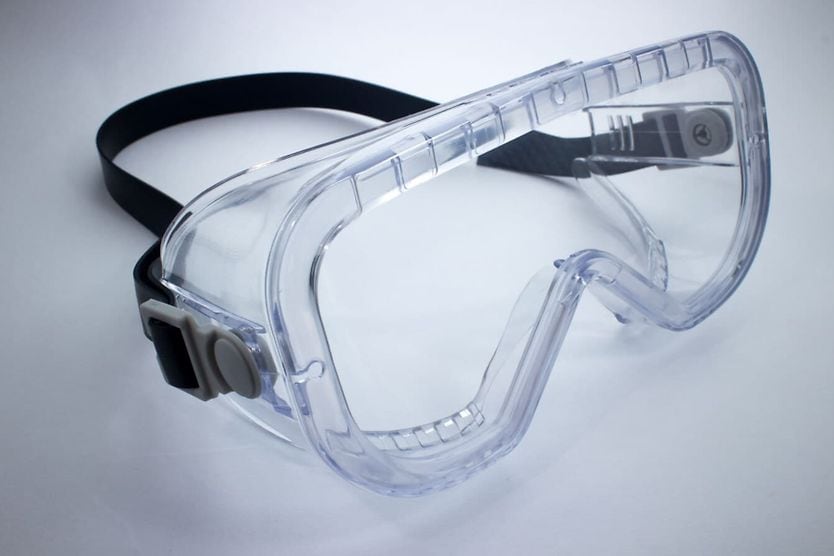
Most sports-related eye injuries can be prevented if athletes wear protective eyewear, such as safety goggles with polycarbonate lenses.
Ski should be considered on the slopes to reduce glare and protect your eyes from intense UV rays, and face shields (either "cages" or clear polycarbonate shields) should always be worn by catchers in baseball and anyone playing hockey or other sports with fast-moving objects that could strike your eyes.
Although children may resist the idea of wearing safety glasses during sports, it's often recommended. It takes only a second for a sports injury to cause permanent vision loss in an unprotected eye.
And eye safety during sports is not just for kids — virtually anyone who plays active sports should consider sports glasses for eye protection and, if needed, vision enhancement.
In general, avoid wearing everyday "dress" eyeglasses during sports. Regular eyeglasses are not made to the same protective standards as safety eyewear. The lenses may shatter under impact and cause a serious eye injury.
Likewise, eyeglass frames that don't qualify for use in sports or safety glasses can break upon impact or cause the lenses to come loose and damage your eyes or face.
Another risk during outdoor sports is overexposure to ultraviolet (UV) radiation from the sun. Too much UV exposure can increase your risk of developing eye conditions such as cataracts and ocular tumors.
Overexposure to UV radiation also can cause a painful sunburn on the surface of your eyes (called photokeratitis) that can lead to long-term damage to the cornea.
Snowboarders and skiers should generally wear tinted goggles or sports sunglasses, since UV rays bounce off snow even on cloudy days. Boaters and sailors, too, need protection from UV rays that reflect off the water.
Sports sunglasses: Choosing the optimal tint
You can choose from an almost endless variety of lens tints for sports sunglasses. Selectively filtering glare and certain colors can cause objects of a particular color on a specific background color — like a ball against the sky — to appear with greater clarity and contrast.
Tinted lenses that enhance the color yellow are desirable particularly in tennis, where they heighten the color and contrast of the ball against the sky or stadium walls.
Different lens tints can enhance specific colors for golfers, skiers, trap-shooters and other sports enthusiasts.
For example, golf glasses with copper-colored lenses enhance the contrast of a white golf ball against the sky and the green background of fairways and greens.
Some professional baseball players wear amber-tinted baseball glasses or sports contact lenses to help filter out blue-violet light and increase their ability to see a baseball more clearly against the sky.
Amber or rose-colored ski goggles enhance soft grays that mark shadows on a ski slope. Because these shadows indicate ridges or bumps in the surface, increasing the visibility of these slope changes can benefit skiers and snowboarders.
Reducing glare and adjusting to changing conditions
Polarized sports sunglasses reduce glare so athletes can see more clearly and react faster in bright conditions. Anti-reflective (AR) coating is another glare reducer that should be applied to the back surface of sports sunglasses to eliminate sunlight reflecting off the back surface of the lenses when the sun is behind you.
Photochromic lenses may help athletes in a variety of lighting conditions. These lenses darken automatically in response to sunlight and the lens tint fades or disappears when in shade or after the sun sets.
Several lens manufacturers offer photochromic lenses for sports glasses. Your eye doctor can advise you of the ideal type and color of photochromic lenses for your sports vision needs.
For example, photochromic lenses can be a good fit for golf, where you move frequently from bright sunlight to shade or dusk during the course of a round. Many eye care professionals recommend adding anti-reflective coating to photochromic lenses to eliminate glare from the "bounce-back" of light from the back surface of the lenses when the sun is behind you.
Personalized sports eyeglasses
If you need prescription lenses, getting eyewear to maximize your sports performance starts with youreyeglass prescription. Schedule an eye exam with an eye doctor near you and discuss with your doctor which sports you enjoy.
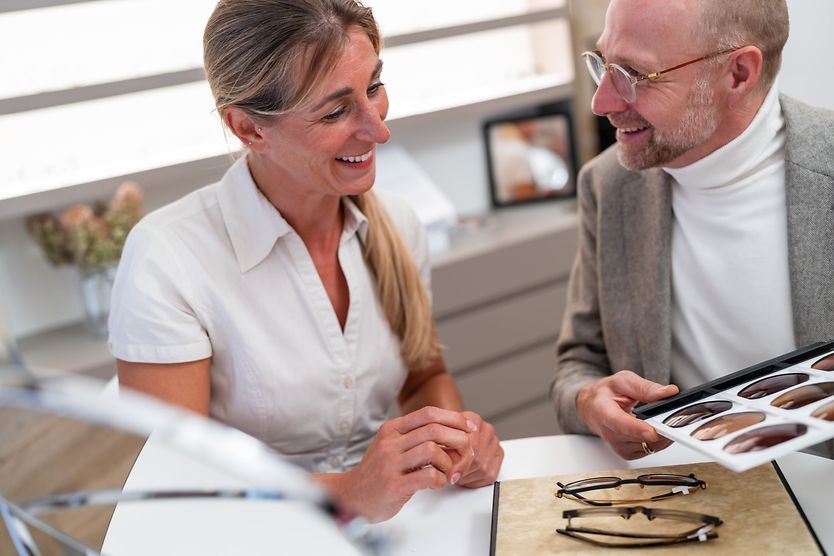
Next, see a qualifiedoptician for additional advice about the best frames and lenses for your sport and to see samples of different lens tints. An optician is trained to help you choose frames that suit both safety and comfort.
Vision is often an important factor in athletic performance. Put sports eyewear at the top of your list when you shop for gear and accessories to enhance your game. Finding the ideal sports glasses may help you see better, play better and protect your eyes.