Cataracts and Cataract Surgery FAQ
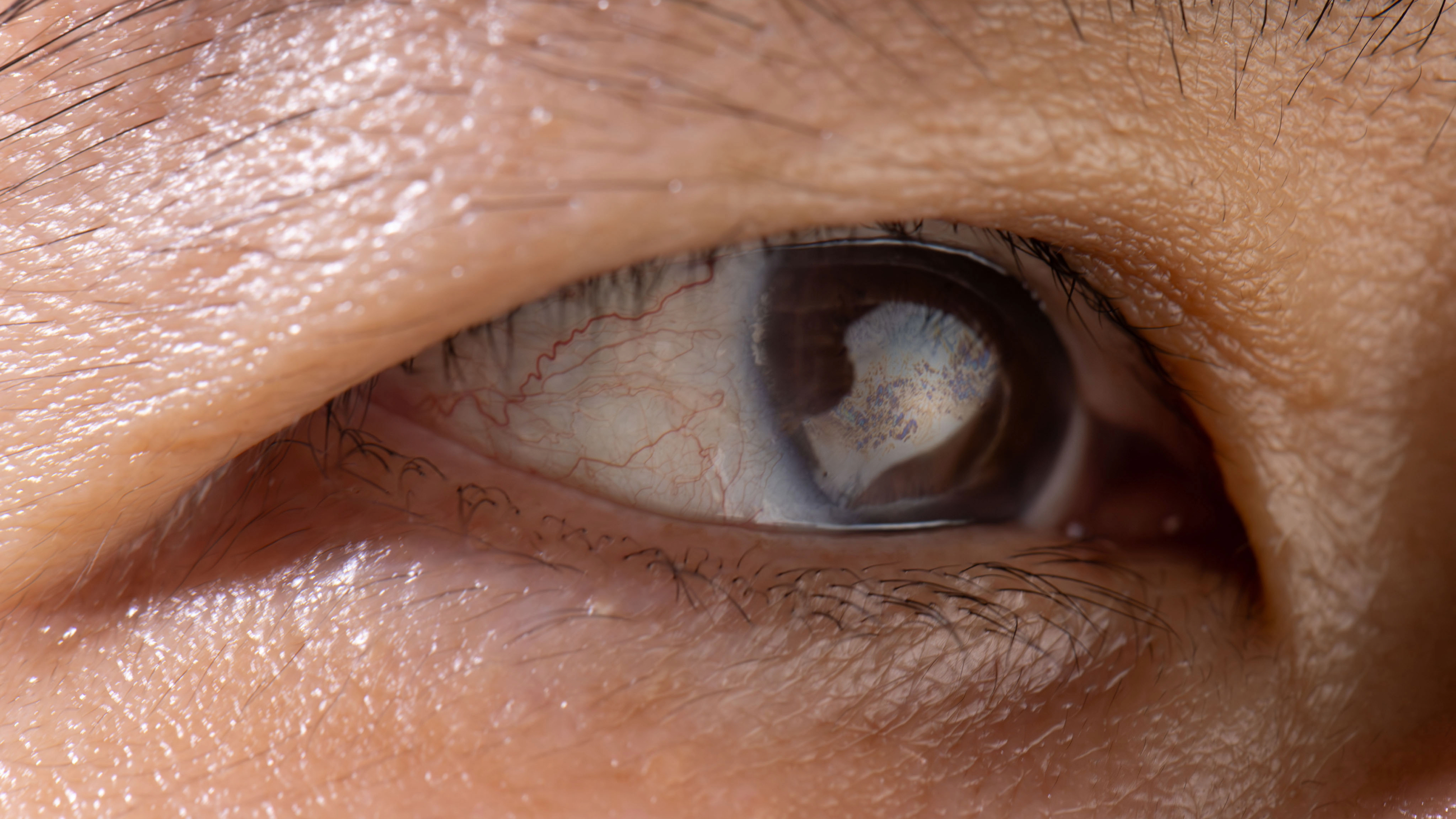

What is a cataract?
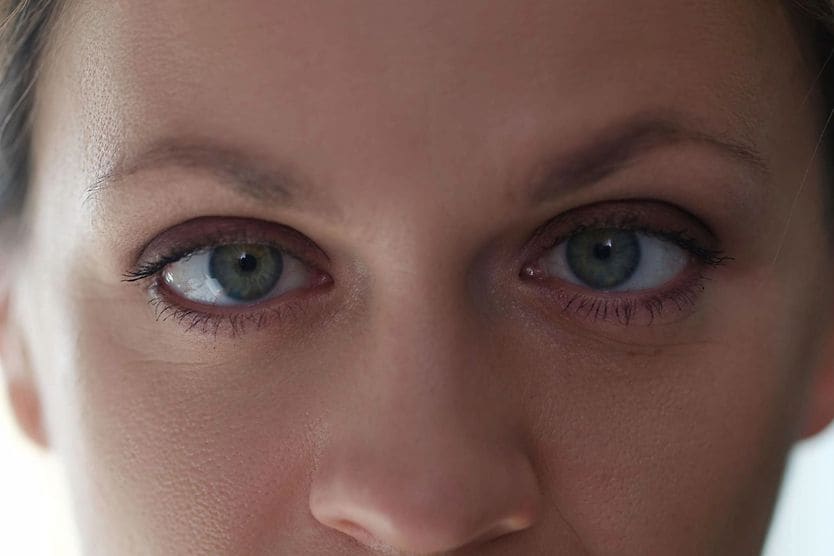
A cataract is a cloudiness of the eye's natural lens, which lies between the front and back areas of the eye, directly behind the pupil.
Are cataracts found only in older people?
Many cataracts develop slowly over time and affect people over age 50. About half of the U.S. population has a cataract by age 65, and nearly everyone over age 75 has at least a mild cataract in one or both eyes.
In rare cases, infants can have congenital cataracts. These usually are related to the mother having German measles, chickenpox, or another infectious disease during pregnancy; but sometimes they are inherited.
My doctor says I have a cataract, but he wants to wait a while before removing it. Why?
Mild cataracts often cause little or no vision problems. Your doctor is probably monitoring your cataract to see if it worsens and more significantly affects your vision or lifestyle before recommending surgery.
Some cataracts may never reach the stage where they need to be removed. But if your cataract worsens and you begin to have trouble seeing clearly for driving and other everyday tasks, it could be time to consider cataract surgery.
Is cataract surgery serious?
All surgery involves some risk, so yes, it is usually considered serious. However, cataract surgery is the most commonly performed type of surgery in the United States. Many cataract surgeons have several thousand procedures under their belt. Choosing a surgeon with this much experience can help reduce the risk.
How is a cataract removed?
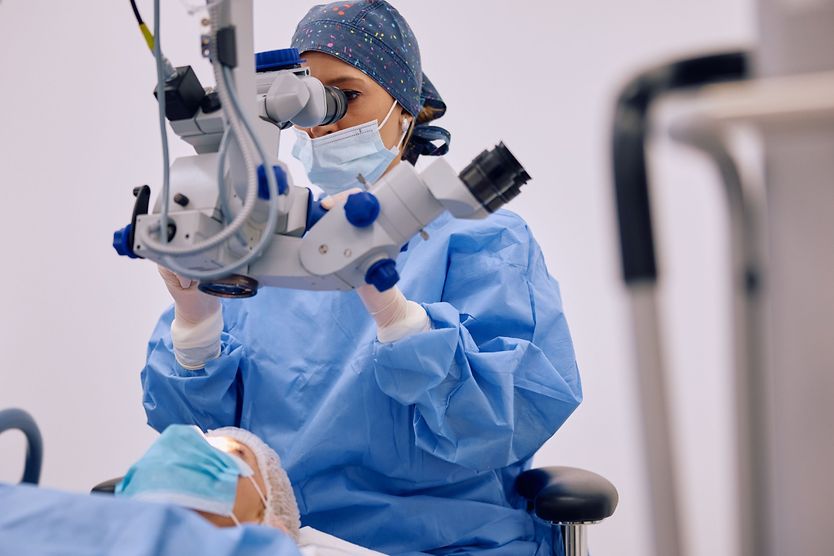
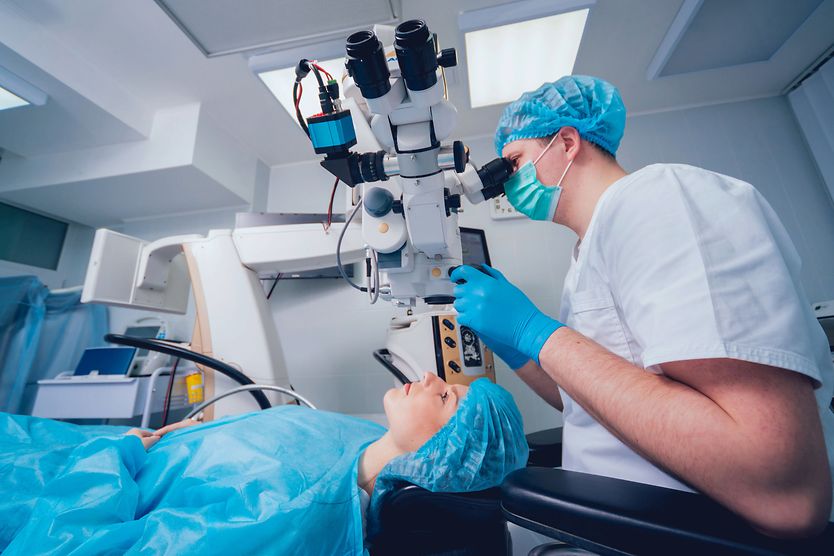
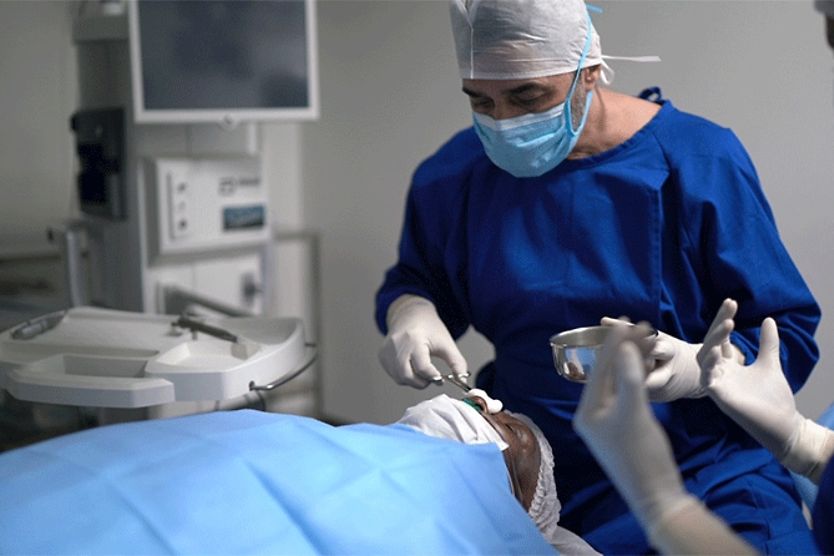
A small incision is made in the front surface of the eye with a scalpel or a laser. A circular hole is then cut in the front of the thin membrane (anterior capsule) that encloses the eye's natural lens. Typically, the lens is then broken into smaller pieces with a laser or an ultrasonic device so it can be more easily removed from the eye.
Once the entire lens is removed, it is replaced with a clear implant called an intraocular lens (IOL) to restore vision. In many cases, the eye heals quickly after surgery without stitches.
Today, several steps in cataract surgery can be performed with a computer-controlled laser instead of hand-held instruments. Learn more about laser cataract surgery.
What is a secondary cataract?
In a minority of cases (perhaps 20 to 30 percent), months or years after cataract surgery, the back portion of the lens capsule that is left inside the eye during surgery for safety reasons becomes hazy, causing vision to again become blurred.
This "secondary cataract" (also called posterior capsular opacification) usually can be treated with a less invasive follow-up procedure called a YAG laser capsulotomy. In many cases, this 15-minute procedure effectively restores clear vision.
My grandfather had cataract surgery years ago, and he had to wear thick glasses afterward. Is this still necessary?
Rarely does anyone have to wear thick, heavy eyeglasses after cataract surgery these days. Many modern cataract procedures replace your eye's natural lens with an intraocular lens (IOL) that often can correct your distance vision to 20/20 without glasses or contact lenses.
In fact, premium multifocal IOLs and accommodating IOLs can even eliminate your need for reading glasses after cataract surgery. During your pre-op exam, ask your cataract surgeon for more details about how to reduce your need for glasses after surgery.
How much does cataract surgery cost?
The cost of cataract surgery varies from one doctor to the next; it also depends on the type of procedure and intraocular lens you and your cataract surgeon decide is best for your needs.
Medicare and many health insurance plans may cover cataract surgery and ordinary intraocular lenses, but not the cost of premium IOLs, such as presbyopia-correcting IOLs that simultaneously correct vision at near, intermediate and distance ranges.
What are possible side effects of cataract surgery?
As with any surgery, pain, infection, swelling and bleeding are possible, but typically, very few people experience serious cataract surgery complications. In many cases, complications or side effects from the procedure can be successfully managed with medication or a follow-up procedure.
To reduce your risk for problems after cataract surgery, be sure to follow the instructions your surgeon gives you and report any unusual symptoms immediately.
More Cataract FAQs
- Are there different types of cataract surgery?
- Can cataract surgery be performed on both eyes at the same time?
- Can cataract surgery be redone?
- Can cataract surgery correct lazy eye?
- Can cataract surgery fix astigmatism?
- Can cataracts cause blindness?
- Can eye drops prevent or cure cataracts?
- Does Medicare pay for cataract surgery?
- What happens if cataracts are left untreated?
- What is a secondary cataract?
- When are cataracts bad enough to require surgery?
- When should cataract surgery be avoided?
- Will I need glasses after cataract surgery?