Gas permeable contact lenses (RGP or GP contacts)

On this page
What makes gas permeable lenses different?
Adapting to RGP lenses
The benefits of RGP lenses
Where GP lenses excel
Limitations of gas permeable lenses
Hybrid contacts: The best of both worlds?
On this page
What makes gas permeable lenses different?
Adapting to RGP lenses
The benefits of RGP lenses
Where GP lenses excel
Limitations of gas permeable lenses
Hybrid contacts: The best of both worlds?
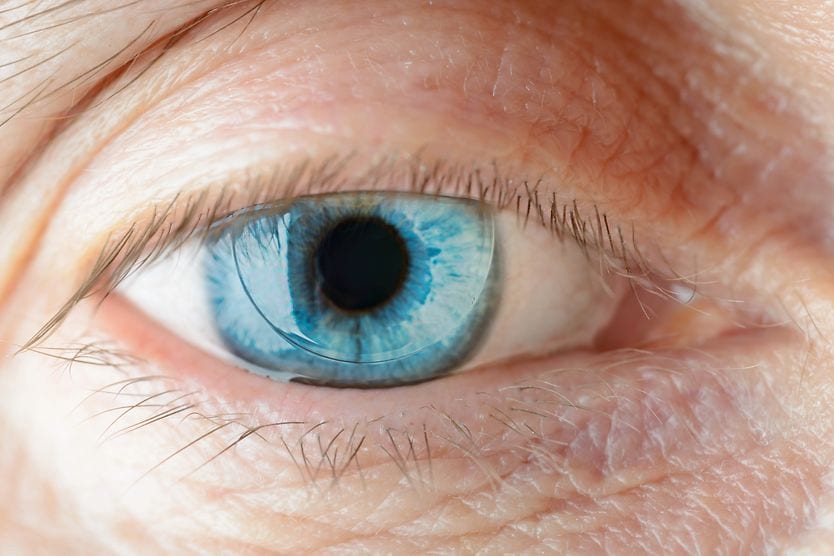
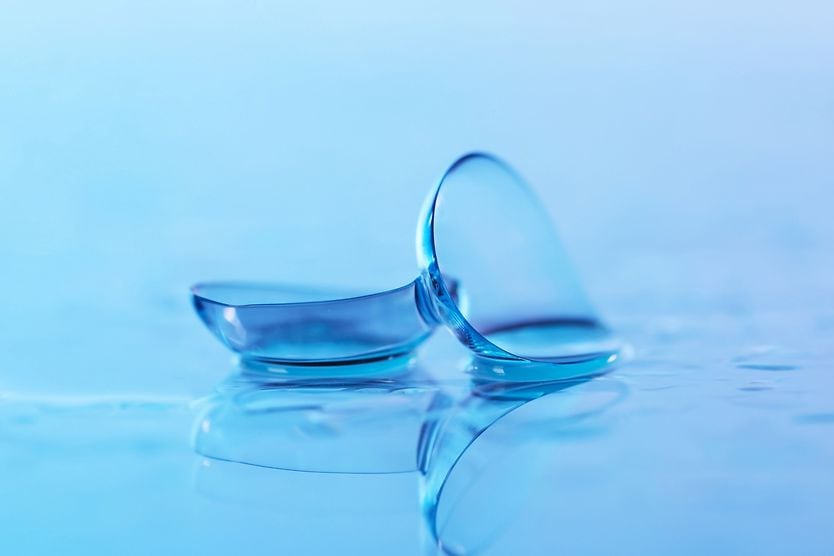
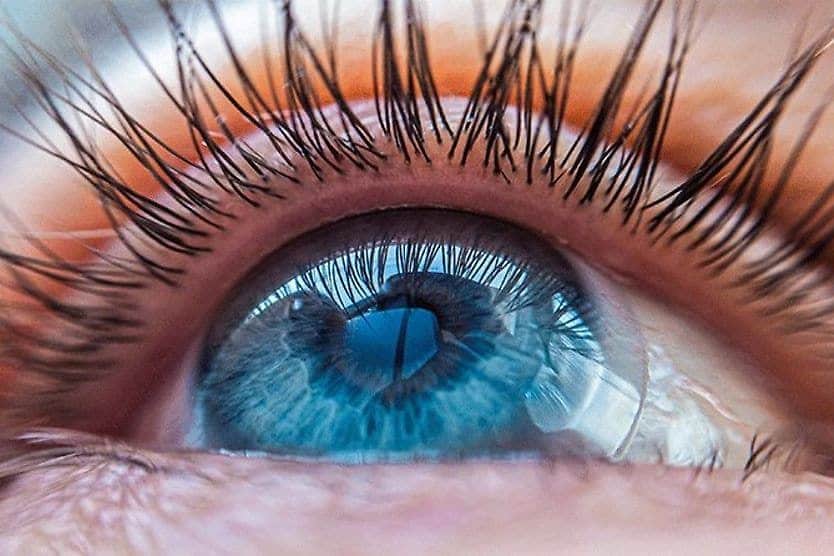
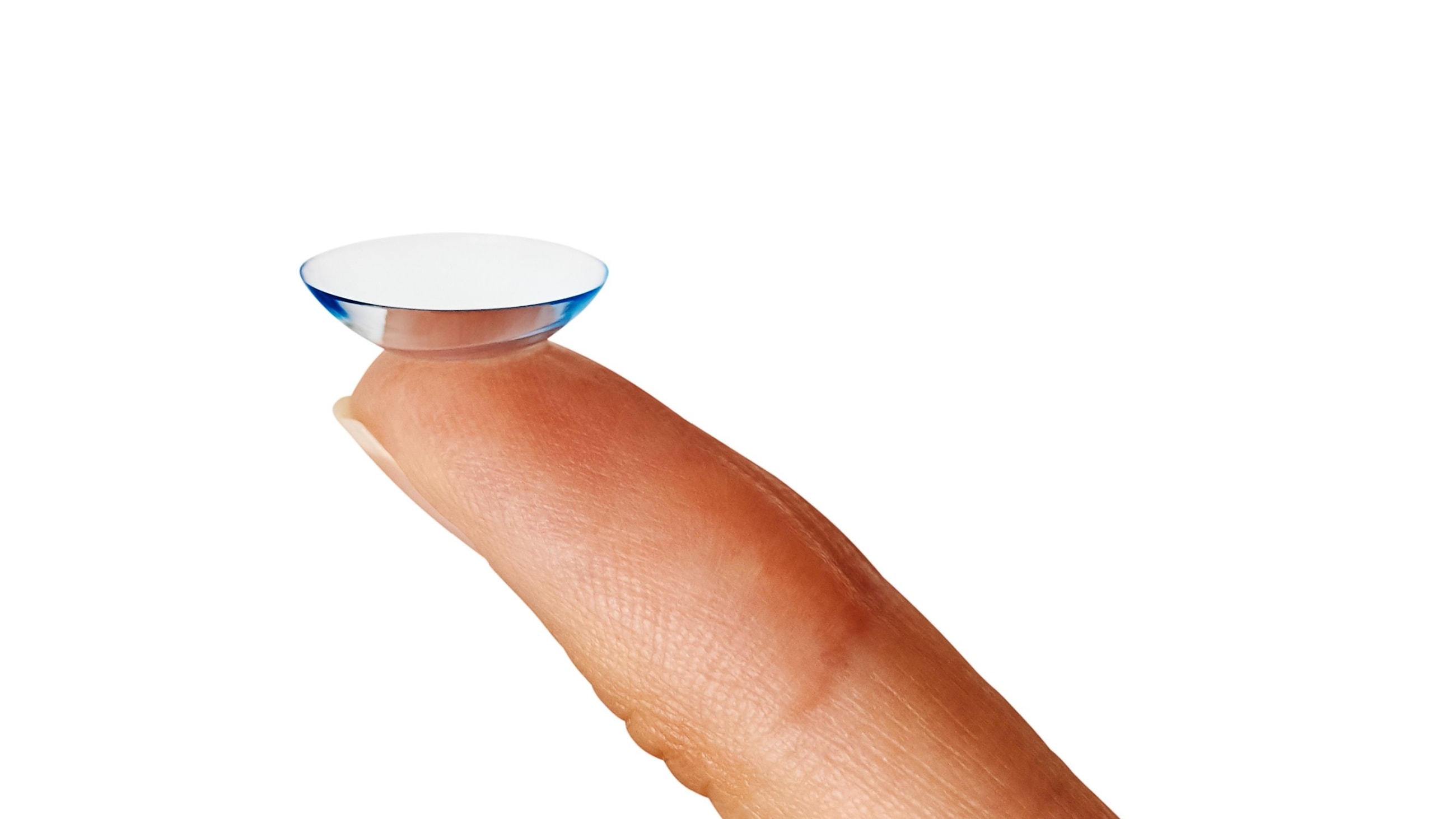
Rigid gas permeable (referred to as RGP or GP) lenses are rigid lenses made of durable plastics that allow oxygen to pass through the lens. These lenses also are called GP lenses, rigid gas permeable lenses, RGP lenses and oxygen permeable lenses.
GP lenses are rigid, but they shouldn't be confused with old-fashioned "hard contact" lenses, which are now essentially obsolete. Hard contact lenses were made of a type of plastic called polymethyl methacrylate (PMMA). Before 1971, when soft contact lenses were introduced, just about all contact lenses were made from PMMA, which is also called acrylic or acrylic glass.
PMMA has excellent optical properties and was developed as a lightweight and shatter-resistant alternative to glass for many applications. But it is impermeable to oxygen and other gases, and the clear front surface of the eye (cornea) needs a significant supply of oxygen to stay healthy.
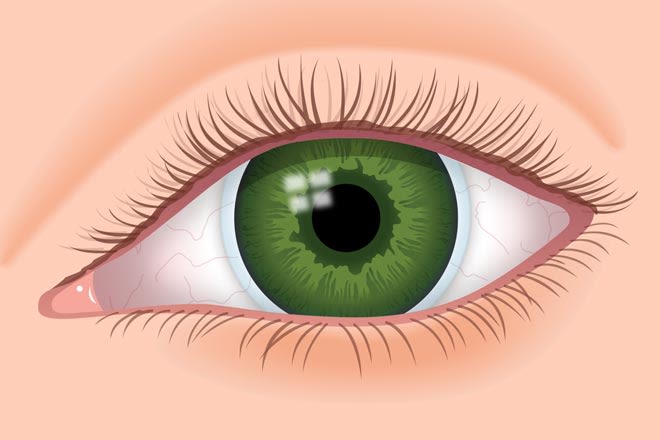
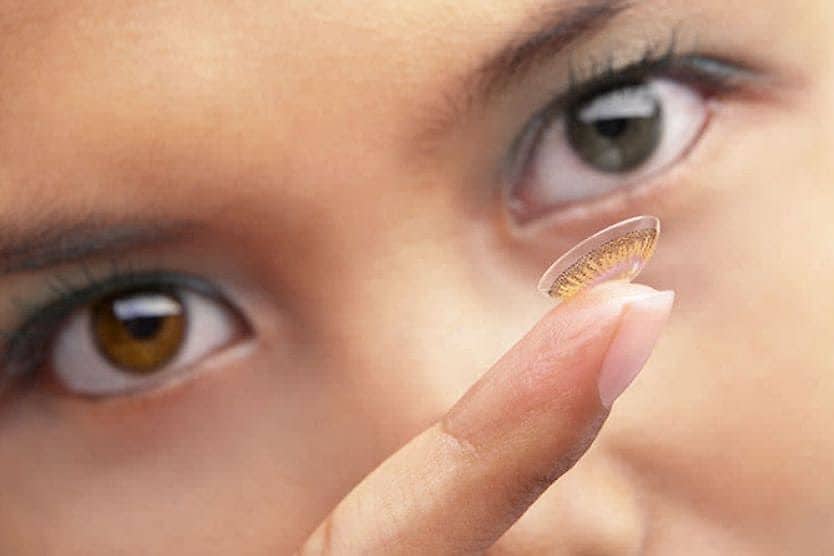
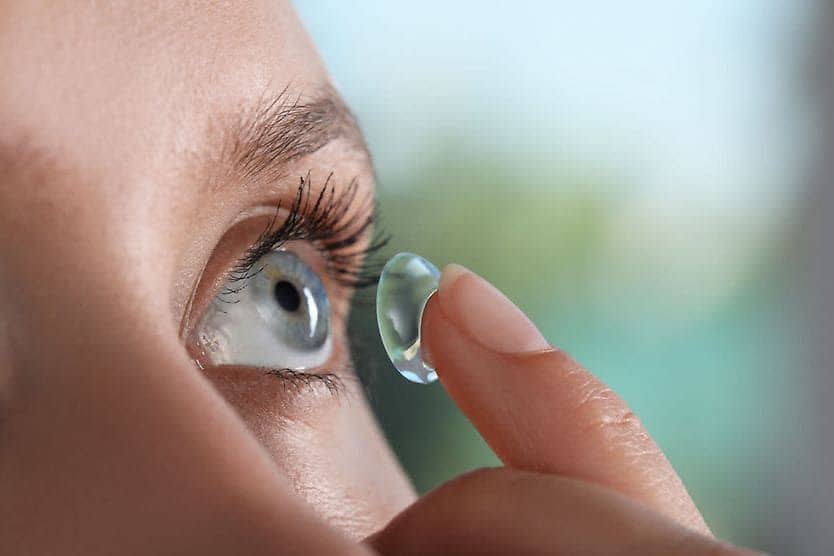
Soft lenses: Soft and silicone hydrogel lenses are thin, pliable lenses that cover the entire cornea and a small portion of the sclera.
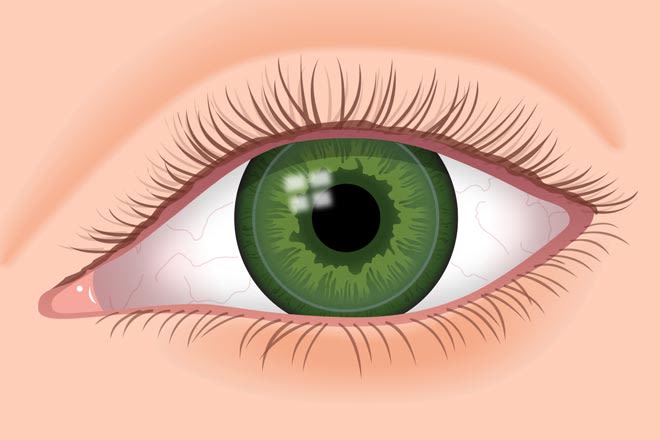
GP lenses: Gas permeable lenses are rigid lenses that float on a layer of tears and typically cover about 75 percent cornea.
Since oxygen cannot pass through a PMMA lens, the only way for this vital element to reach the cornea when wearing them was for tears to wash underneath the lens with each blink. In order for this blink-induced, tear-pumping action to occur, PMMA lenses had to be made relatively small in size. Also, there had to be a significant gap between the edge of the lens and the surface of the cornea.
These design characteristics made many people very aware of PMMA lenses on their eyes or caused discomfort that made wearing the lenses impossible. In some cases, these features also caused problems with PMMA lenses popping off the eye, especially during sports.
What makes gas permeable lenses different?
Most gas permeable lens materials include silicone, which makes GP lenses more flexible than PMMA lenses. And silicone allows oxygen to pass directly through GP lenses to keep the cornea healthy without having to rely solely on oxygen-containing tears to be pumped under the lens with each blink.
In fact, modern rigid gas permeable lenses allow more oxygen to reach the cornea than most soft contact lenses (although some silicone hydrogel soft lenses are comparable to GP lenses in oxygen transmission).
Because gas permeable lenses allow oxygen to pass through them, GP lenses can be made larger than PMMA lenses, and the edges of GP lenses can be fitted closer to the surface of the eye. These design changes make modern rigid GP lenses more comfortable and easier to get used to. They also help GP lenses stay more securely on the eye when worn during sports and other activities.
RGP lenses also provide better vision, durability and deposit resistance than soft contact lenses. And because they last longer than soft lenses, they can be less expensive in the long term.
Adapting to RGP lenses
So why doesn't everyone wear gas permeable lenses? Primarily because soft lenses are instantly comfortable, and GP lenses require an adaptation period before they are as comfortable as soft contacts.
Some other downsides of RGP lenses are discussed below.
The benefits of RGP lenses
Gas permeable lenses offer some outstanding benefits over soft lenses. For one, because GP lenses are made from a firm plastic material, they retain their shape when you blink, which tends to provide sharper vision than pliable soft lenses.
GP lenses also are extremely durable. Although you can break them (for instance, if you step on them), you can't tear them easily, like soft lenses.
And they're made of materials that don't contain water (as soft contact lenses do), so organic materials (protein and lipids) from your tears do not adhere to GP lenses as readily as they do to soft lenses.
With a little care, gas permeable lenses can last for years, as long as you don't require a lens prescription change.
Where GP lenses excel
Gas permeable can be the preferred choice for many individuals, including:
- Some people with astigmatism for whom soft contacts don't produce the desired visual acuity. [Read about contacts for astigmatism.]
- People with presbyopia, because GP lenses come in numerous bifocal and multifocal designs. Different bifocal designs can work well for different people, so having many choices is a real plus. Also, many people find that the optimal combination of near and distance acuity can be obtained with GP bifocals.
- People who have a condition called keratoconus, where the cornea is cone-shaped and causes extreme visual distortion.
- People who need GP or soft contact lenses after refractive surgery.
Gas permeable also are used for ortho-k, where specially designed GP lenses are worn during sleep to reshape the cornea and improve vision.
Limitations of gas permeable lenses
Unlike soft lenses, you need to wear them regularly (though not necessarily every day).
If you don't wear your soft contact lenses for a week, they'll still be comfortable when you put them on a week later. But if you don't wear your GP lenses for a week, you'll probably need some time to get comfortable again.
Also, GP lenses are smaller in size than soft contact lenses, which means there is a greater risk of gas permeable lenses dislodging from the eye during sports or other activities.
And because gas permeable lenses are designed to move on the eye when the wearer blinks, there is a higher risk of dust and debris getting under the lenses, causing discomfort or a possible abrasion to the cornea.
Finally, GP lenses do require care, since they are reused for one year or more.
Hybrid contacts: The best of both worlds?
Since comfort is the primary barrier to greater popularity of gas permeable lenses, hybrid lenses are an alternative choice for people who want the clarity of a GP lens and wearing comfort that more closely resembles that of soft lenses.
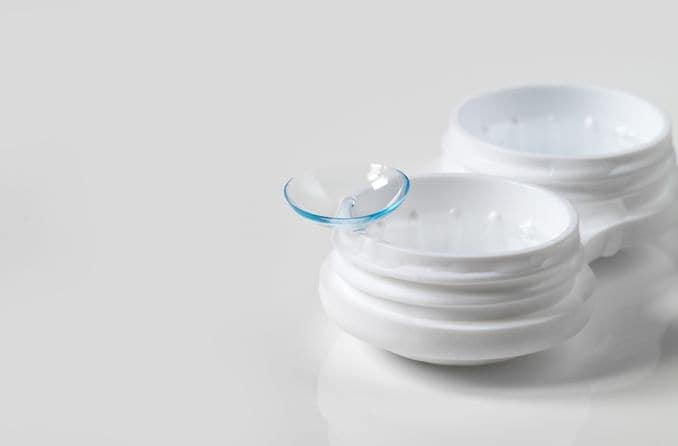
Hybrid lenses have a central optical zone that is made of a gas permeable lens material, surrounded by a peripheral fitting zone called a "skirt" made of silicone hydrogel or regular hydrogel soft lens material.
On this page:
What makes gas permeable lenses different?
Adapting to RGP lenses
The benefits of RGP lenses
Where GP lenses excel
Limitations of gas permeable lenses
Hybrid contacts: The best of both worlds?
On this page:
What makes gas permeable lenses different?
Adapting to RGP lenses
The benefits of RGP lenses
Where GP lenses excel
Limitations of gas permeable lenses
Hybrid contacts: The best of both worlds?