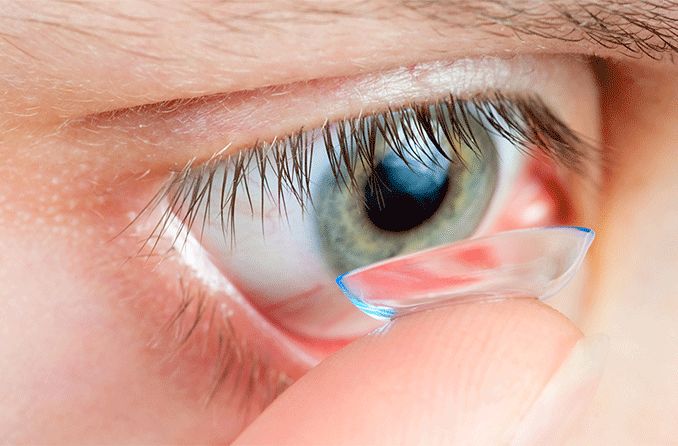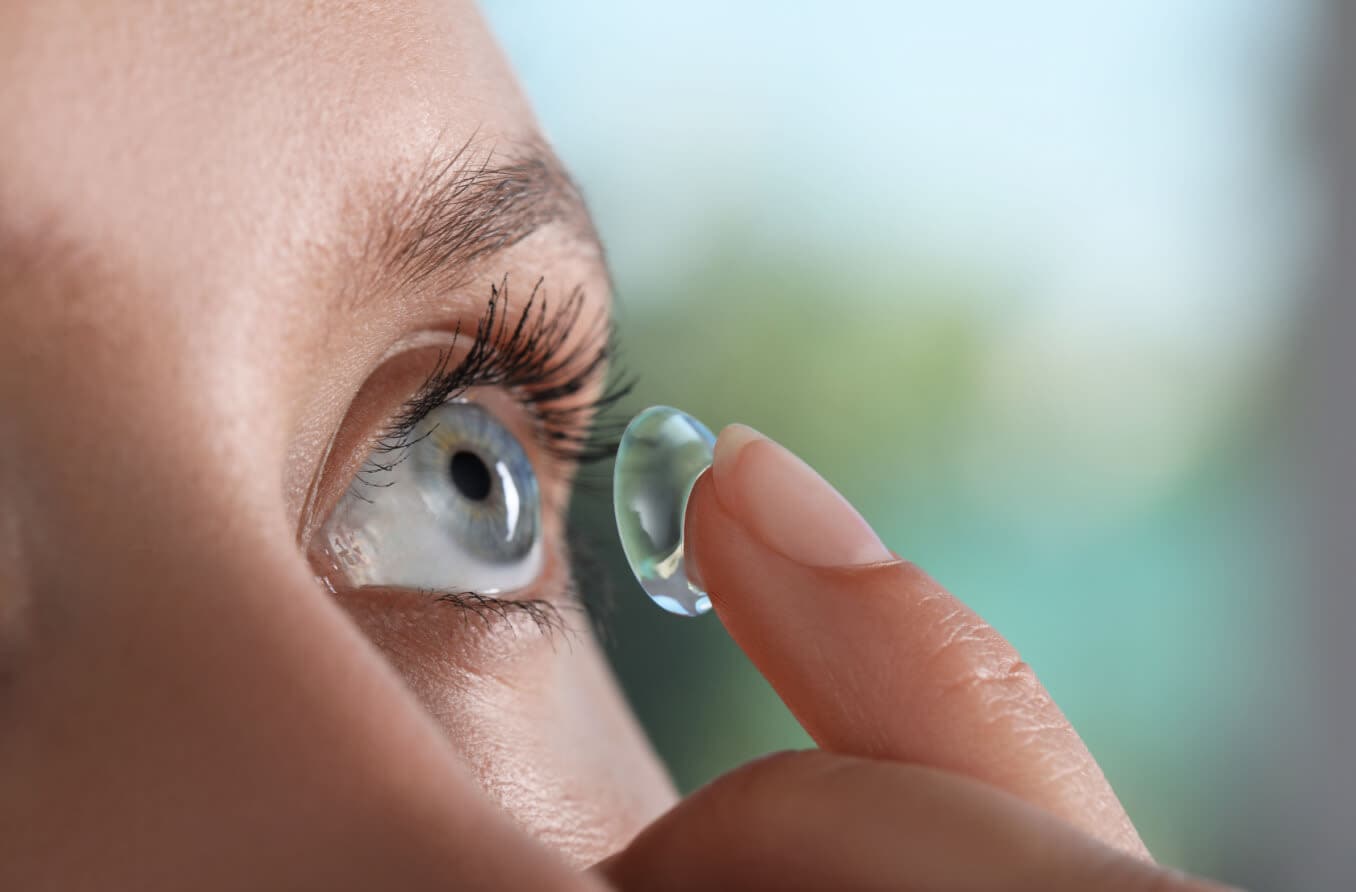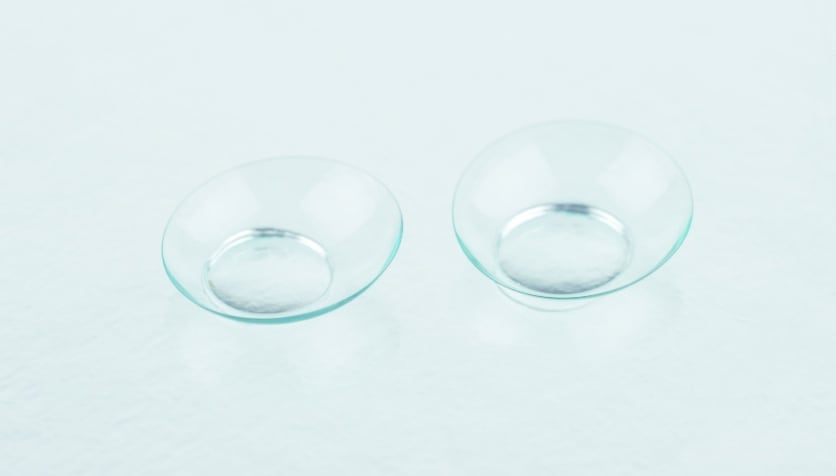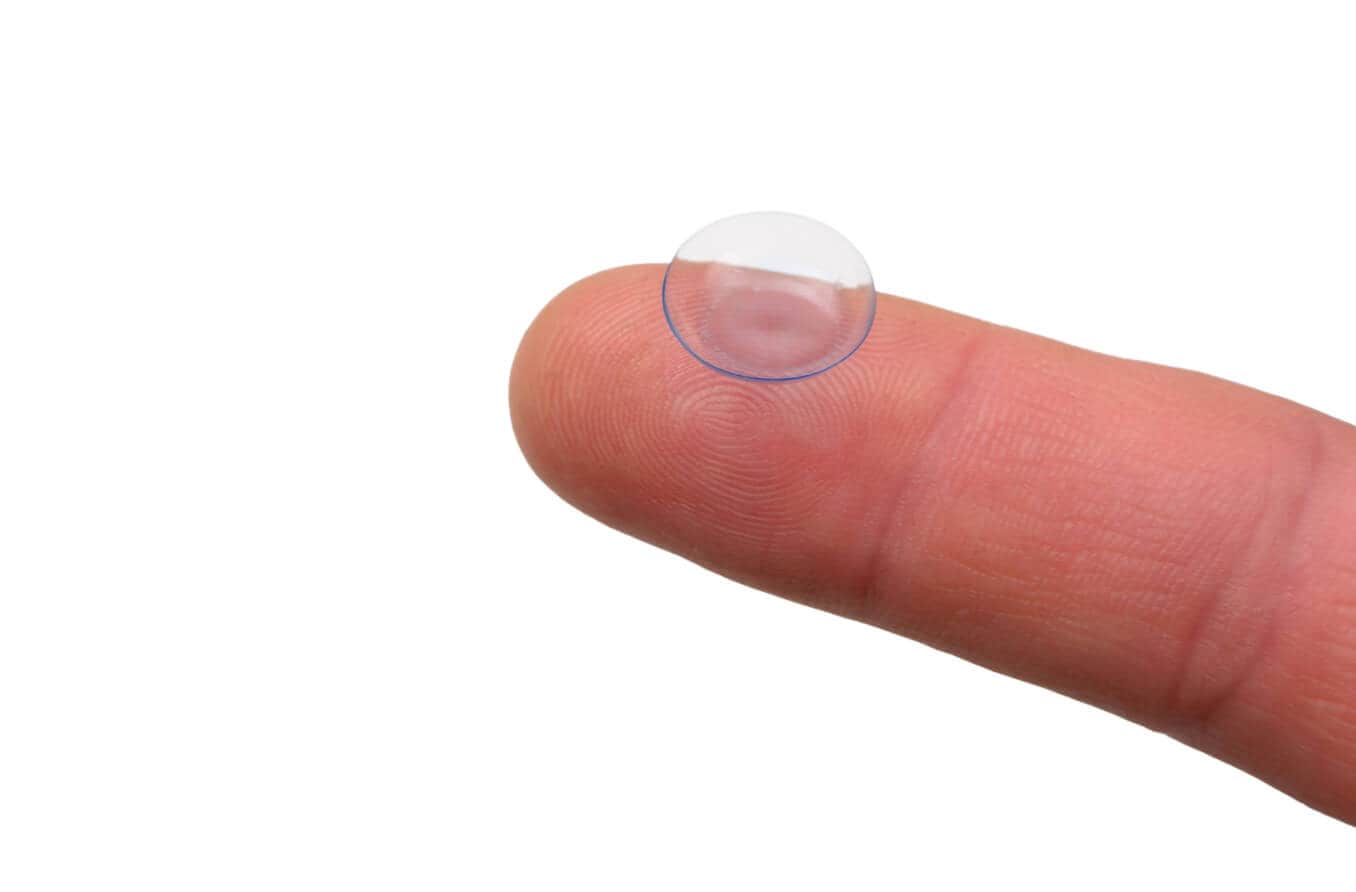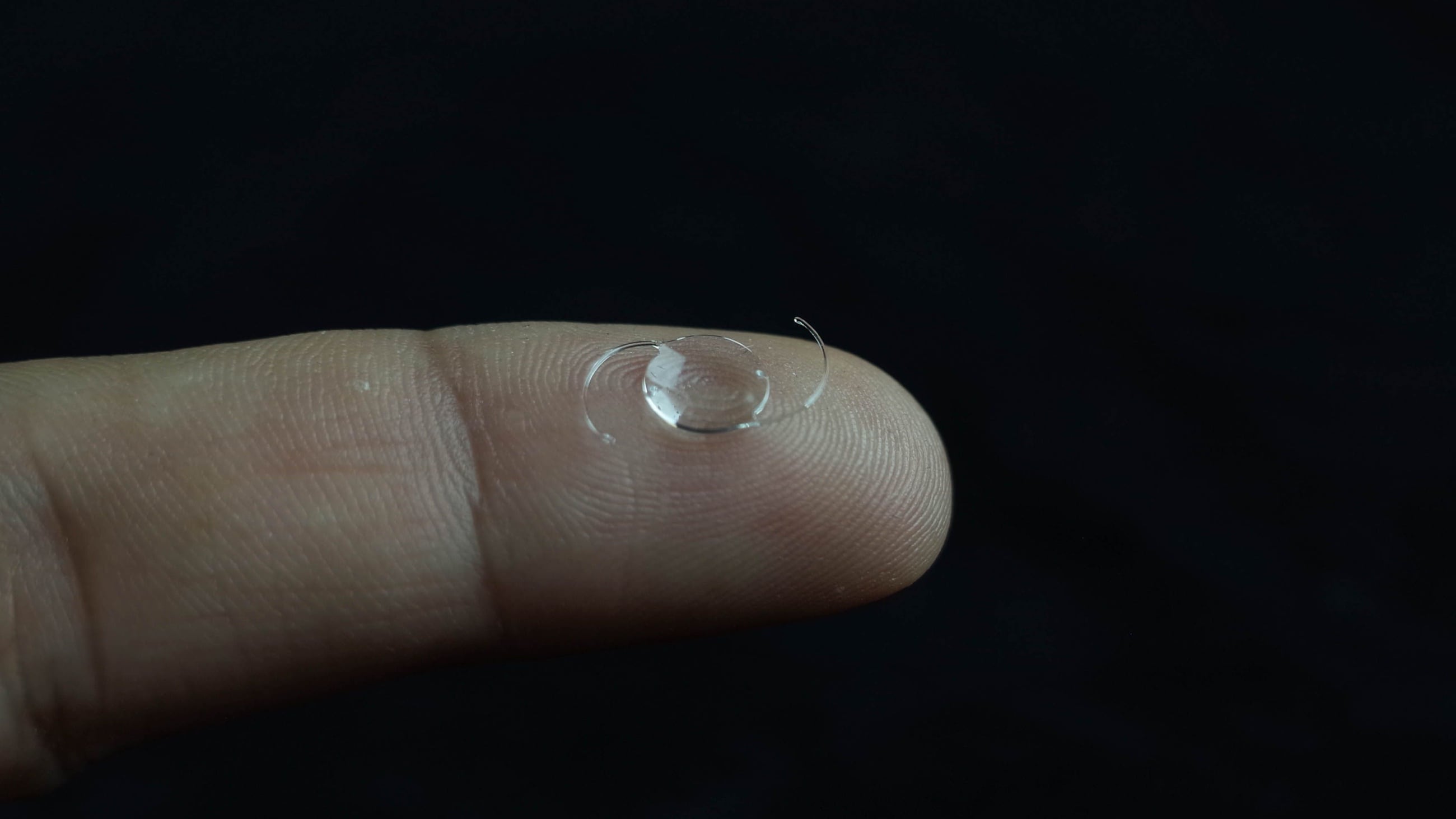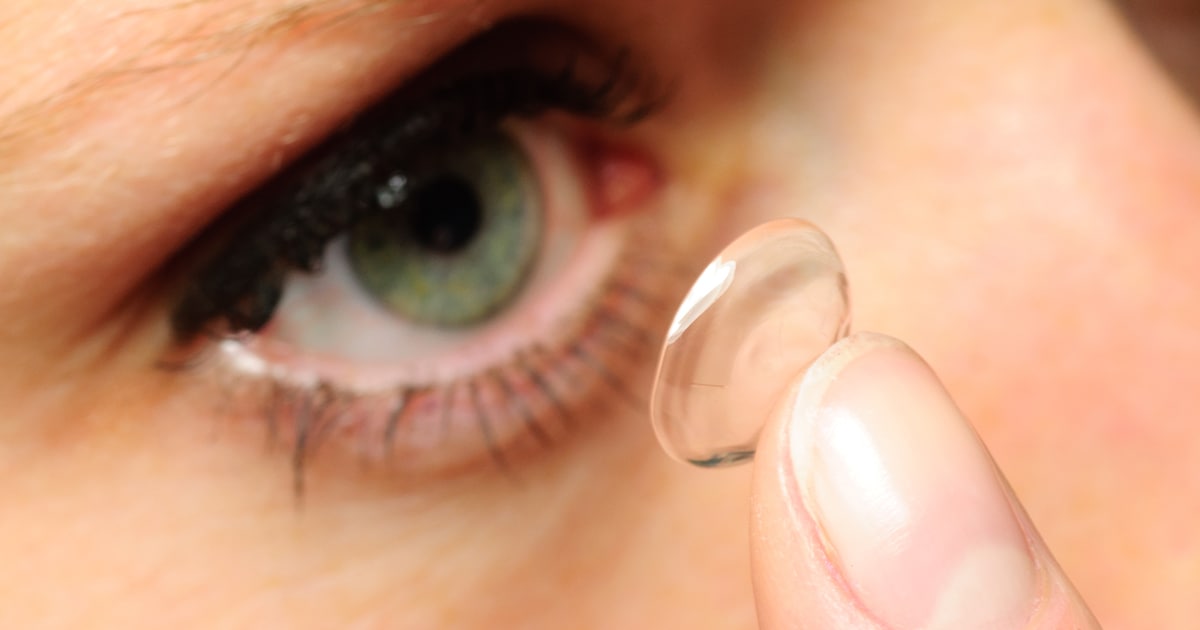
If you have undesirable results from LASIK or other refractive surgery, you may want to consider custom gas permeable (GP) or hybrid lenses to improve your vision — especially if a follow-up surgical procedure or enhancement is not possible.
The smooth, rigid surface of these lenses can correct optical imperfections that eyeglasses and soft contacts can't address, making gas permeable lenses or hybrids the best choice if you're looking for the sharpest vision possible.
Why Isn't My Vision Sharper After Refractive Surgery?
LASIK, PRK and other laser vision correction procedures typically have high success rates. In fact, studies found that more than 95 percent of people who have had vision correction surgery are pleased with their results.
But these procedures don't necessarily produce perfect vision for everyone. Your results depend a great deal on the unique way your corneas respond to laser energy and how your eyes heal after surgery.
Glare, halos and starbursts around headlights and street lights can sometimes be a problem after refractive surgery. LASIK and other procedures also can sometimes cause irregular astigmatism, with accompanying blurred and/or distorted vision.
For some, post-surgery vision problems can decrease overall quality of life with side effects such as eye strain, headaches and difficulty driving at night.
When Would I Need Post-Surgery Contact Lenses?
LASIK and other laser vision correction procedures reshape your eye's front surface by removing microscopic amounts of tissue from the cornea. Occasionally, this can cause irregularities in the shape of the cornea that can make your vision less distinct after surgery than it was when you wore glasses or contact lenses before the procedure.
These irregularities sometimes can be corrected with a follow-up laser procedure called an enhancement. But if your cornea is too thin for a second surgery, or other problems rule out an enhancement procedure, GP or hybrid lenses may be your ideal solution.
Post-Surgery Gas Permeable Contact Lenses
Because gas permeable contacts are rigid, they maintain their shape on the eye.
This can be significant because the space between the cornea and the back surface of a GP lens is filled with tears. This "lake" of tears covers irregularities on the cornea's surface that cause aberrations. The smooth front surface of the GP lens then optically replaces the irregular corneal surface, eliminating blur and visual distortions.
In comparison, soft contact lenses are pliable and conform to the surface of the cornea. This means soft lenses usually can't achieve the same aberration-cancelling effect that GP lenses provide.
And conventional eyeglasses, which do nothing to change corneal irregularities, cannot correct the vision problems these irregularities cause. Glasses usually can correct only the basic refractive errors — nearsightedness, farsightedness, and regular astigmatism.
Special Contact Lens Designs For Post-Surgery Fittings
Because LASIK and other laser refractive surgery can alter the shape of the cornea, fitting contact lenses on a post-surgery eye can be more challenging than fitting lenses on a normally shaped cornea. Special gas permeable or hybrid lens designs usually are required in these circumstances.
Modified GP lens designs may include a larger lens diameter, aspheric optics or a design where the center of the lens is flatter than the periphery (called a reverse geometry design), similar to lens designs used for orthokeratology to correct nearsightedness without surgery.
Many eye doctors recommend scleral contact lenses for people who need or prefer non-surgical vision correction after LASIK. These large-diameter GP lenses vault over the entire corneal surface and rest on the "white" of the eye (sclera).
Because scleral lenses cover the entire cornea, they can be particularly effective in correcting corneal aberrations and irregular astigmatism. They also can be helpful in relieving dry eye symptoms after vision surgery.
Special computerized instruments (not needed for regular contact fitting) usually are required to obtain highly accurate, point-to-point measurements of the post-surgery corneal surface to obtain the best possible fit and vision correction. These instruments, called corneal topographers or aberrometers, use the same technology that measures the cornea before LASIK and other laser vision correction surgery.
Also, if you've never worn GP lenses before, be aware that it can take longer to adapt to them than to soft contacts. You may have to wear the lenses at least part-time every day for several days before they feel completely comfortable.
Fitting GP lenses on an eye that has undergone refractive surgery can require special skills similar to those needed to fit lenses irregular-shaped corneas caused by keratoconus or a cornea transplant. Several lens modifications may be required to achieve the optimum fit, comfort and visual acuity.

Hybrid Contact Lenses And High-Definition Eyeglasses
Alternatives to gas permeable lenses for correcting vision after eye surgery include hybrid lenses and high-definition eyeglass lenses.
Hybrid contact lenses are designed to offer the best of both worlds: aberration-correcting optics of a rigid GP lens and wearing comfort comparable to that of soft lenses.
In many cases, hybrid lenses can be equally effective as gas permeable contacts in correcting aberrations after vision surgery.
High-definition eyeglass lenses are a new type of eyewear that can effectively correct minor refractive errors that may remain after vision surgery — especially if you don't have significant corneal aberrations and are not keen on the idea of wearing contact lenses after eye surgery.
Also called digital or "free-form" lenses, high-definition eyeglass lenses are made with advanced technology and equipment that produce more precise and accurate refractive surfaces on eyeglass lenses than traditional tooling used for lens manufacturing.
Some people — whether or not they've previously had vision surgery — find high-definition lenses may give them noticeably sharper vision than conventional eyeglass lenses for a variety of everyday visual tasks, including night driving.