How better nutrition can improve your vision

Good nutrition can fuel your body, contribute to healthy eyes and can even influence how your mind functions.
In your teen years, a healthy diet is especially important for keeping you alert and strengthening your muscles and bones. Wise food choices can also help keep your skin smooth and clear for a more confident you.
Besides giving you the energy you need to thrive in school, sports and other activities, good nutrition plays a vital role in maintaining healthy vision. Starting good eating habits in your teens can contribute to maintaining a healthy weight as an adult and may decrease your risk of certain serious eye conditions later on, including cataracts, macular degeneration and diabetic retinopathy.
Here are a few key vitamins and nutrients that play an important role in good vision:
Vitamin A and your eyes
Vitamin A, typically the first ingredient on the label of multivitamin bottles, is very important to keeping your eyes healthy.
A deficiency of vitamin A can cause night vision problems. It can also cause severe dry eyes, which can lead to eye infections and, in very rare cases, vision loss.
Research suggests vitamin A also may lower your risk of cataracts and macular degeneration later in life. It may also slow vision loss in people with an eye condition called retinitis pigmentosa.
Vitamin A also plays a role in bone growth and immune system strength. A healthy immune system can help you fight off pink eye symptoms and other infections. Vitamin A also contributes to healthy skin.
How much vitamin A do you need each day? For teen boys, the U.S. recommended dietary allowance (RDA) is 900 micrograms, which is the equivalent of 3,000 international units (IU). For teen girls, it is 700 micrograms (2,333 IU).
Good dietary sources of vitamin A are beef or chicken liver, cod liver oil, milk and eggs. Vitamin A can also be obtained indirectly from colorful fruits and vegetables that contain pro-vitamin A carotenoids (see below).
But too much vitamin A can be harmful. Symptoms of vitamin A toxicity include headaches, loss of appetite, dizziness, skin changes and joint pain. It is not recommended to consume more than 2,800 micrograms (9,333 IU) per day.
Another consideration is for those who use oral acne medications that contain isotretinoin. These medications can contain high levels of vitamin A, increasing your risk of a toxicity reaction.
| Vitamin A | Beef liver, chicken liver, cod liver oil, milk, eggs | 900 micrograms for boys, 700 micrograms for girls |
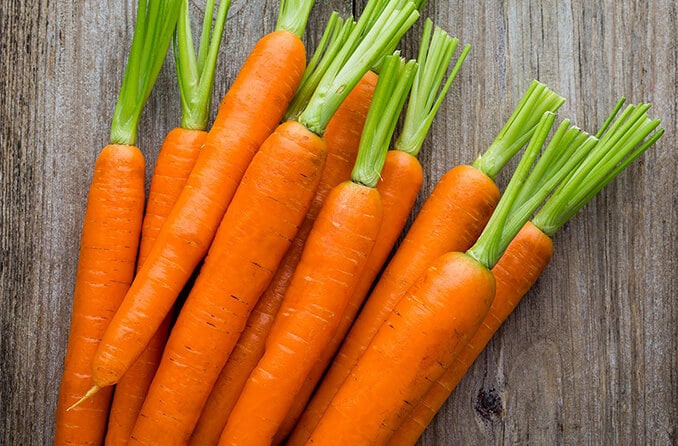
| Carotenoids | Kale, spinach, leaf lettuce, carrots, bell peppers, tomatoes, tomato juice, sweet potatoes, broccoli, squash, watermelon, pink grapefruit, apricots | No RDA established |
| Vitamin C | Oranges, orange juice, red and green bell peppers, grapefruit, strawberries, broccoli, kale | 75 mg for boys, 65 mg for girls |
| Bioflavonoids | Berries, grapes, apples, oranges, grapefruit, yellow onions, soy foods, legumes, teas, dark chocolate | No RDA established |
| Source: National Agriculture Library, U.S. Department of Agriculture |
Carotenoids for good vision
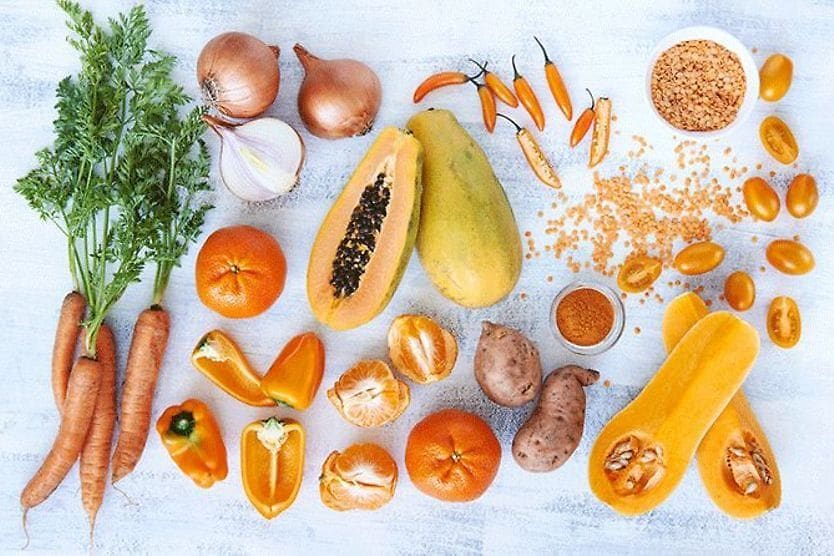
Other important nutrients for your eyes and vision are the yellow, orange and red pigments in fruits and vegetables that are called carotenoids. There are hundreds of carotenoids, but the most common ones found in North American diets are alpha-carotene, beta-carotene, beta-cryptoxanthin, lutein, zeaxanthin and lycopene.
Carotenoids are also called phytonutrients, a term that describes plant-derived nutrients confirmed as important to human health.
Pro-vitamin A carotenoids. Alpha-carotene, beta-carotene and beta-cryptoxanthin are called pro-vitamin A carotenoids because your body converts them to vitamin A during digestion.
Currently no recommended dietary allowance exists for pro-vitamin A carotenoids, but several health organizations recommend that everyone eat a variety of carotenoid-rich fruits and vegetables daily.
Lutein and zeaxanthin. Lutein and zeaxanthin (LOO-teen and zee-ah-ZAN-thin) are important to your eyes because they can help protect your retina from damage caused by the sun's harmful ultraviolet (UV) rays and high-energy visible (HEV) light. Prolonged exposure to UV and HEV rays may damage the retina and increase your risk of developing macular degeneration.
Some research suggests lutein and zeaxanthin also may reduce your risk of cataracts later in life.
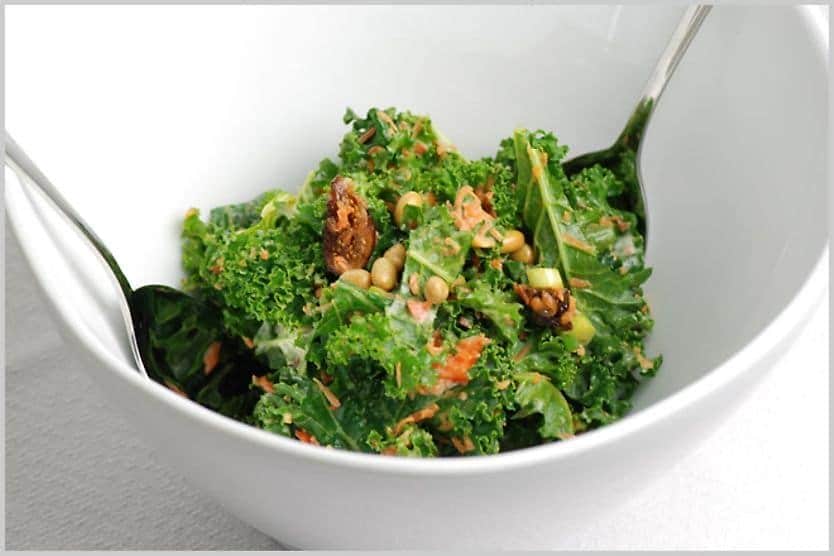
Lutein and zeaxanthin are naturally occurring plant pigments in dark leafy greens, including kale, spinach, romaine lettuce and green leaf lettuce. They are also in a variety of other vegetables, including broccoli, squash, bell peppers, carrots and tomatoes. Eggs are another good source of these important phytonutrients.
There is no RDA for lutein and zeaxanthin. But some researchers suggest you need at least six to ten milligrams (mg) of lutein daily for good eye health.
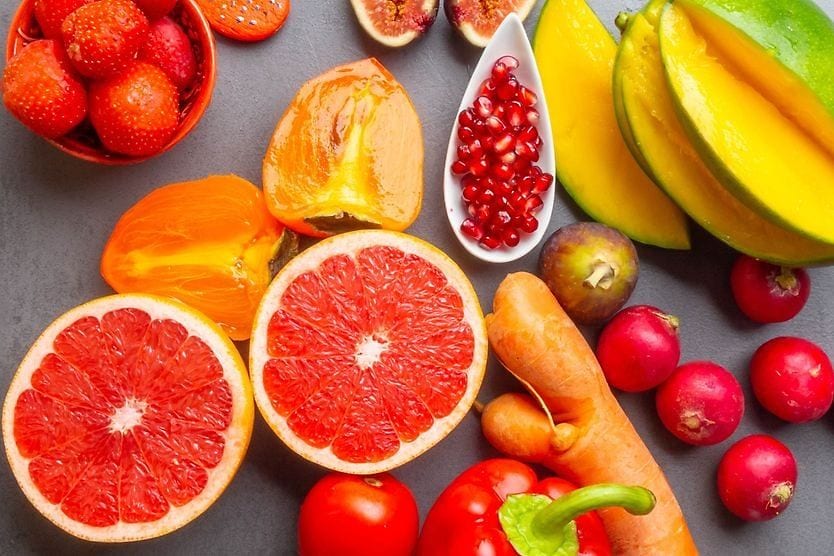
Lycopene. Another important carotenoid for good vision, lycopene is the pigment that gives tomatoes their red color. Generally, the redder the tomato, the more lycopene is present. Besides tomatoes and tomato juice, other sources of lycopene include watermelon, pink grapefruit, apricots and blood oranges.
Research suggests lycopene, like lutein and zeaxanthin, may reduce your risk of macular degeneration and cataracts later in life. Lycopene also appears to lower the risk for a number of cancers, including lung cancer, prostate cancer in men and cervical cancer in women.
Currently, there is no RDA for lycopene, but to achieve the health benefits of this and other phytonutrients, health-related organizations recommend that you include plenty of carotenoid-rich fruits and vegetables in your daily diet.
Vitamin C
Vitamin C (also called ascorbic acid), a water-soluble vitamin and powerful antioxidant, is abundant in many fruits and vegetables. Top sources include oranges and orange juice, red and green bell peppers, grapefruit, strawberries, broccoli and kale.
One glass of fresh-squeezed orange juice contains more than 100 percent of the RDA of vitamin C.
Vitamin C helps protect you from heart disease and may help prevent a variety of cancers. It also strengthens your immune system, helps repair and regenerate tissues and may shorten colds or reduce their symptoms.
Vitamin C is also very important to your eyes. Studies suggest supplemental vitamin C may reduce your risk of cataracts and macular degeneration later in life.
The RDA for teens (ages 14 to 18) is 75 mg for boys and 65 mg for girls. After age 18, the RDAs increase to 90 mg for males and 75 mg for females.
If you smoke, quit. In addition to numerous adverse health effects, there is a strong link between smoking and sight-threatening eye diseases.
If you continue to smoke, at least increase your daily vitamin C intake. Some experts recommend a minimum of 250 mg each day, while others say as much as 1,000 mg are needed daily to combat the oxidative effects of air pollution and cigarette smoke.
Bioflavonoids
Bioflavonoids (also called flavonoids) are a large family of natural pigments found in many of the same fruits and vegetables that are good sources of vitamin C.
A diet rich in bioflavonoids appears to lower your risk of cardiovascular disease, certain cancers, cataracts and macular degeneration.
Until recently, the health benefits of bioflavonoids were considered to be due to their role as antioxidants. But recent research suggests the primary benefit of bioflavonoids may be their ability to reduce inflammation, maintain healthy blood vessels and help your body get rid of potentially toxic and cancer-causing chemicals.
There is no RDA for bioflavonoids, but most fruits and vegetables that are good sources of vitamin C also supply your body the bioflavonoids it needs. Berries, grapes, soy foods, dark chocolate and hot peppers are good food sources of specific types of flavonoids.
A good way to make sure you get enough of these important nutrients is to drink a cup of flavonoid-rich green tea every day, rather than a sugary soda!
Vitamin E
Vitamin E, a powerful antioxidant vitamin, helps your body produce red blood cells. It also may help reduce your risk of cardiovascular disease and prevent certain types of cancer. Studies also suggest vitamin E may help maintain good eyesight throughout your life by reducing your risk of cataracts and macular degeneration.
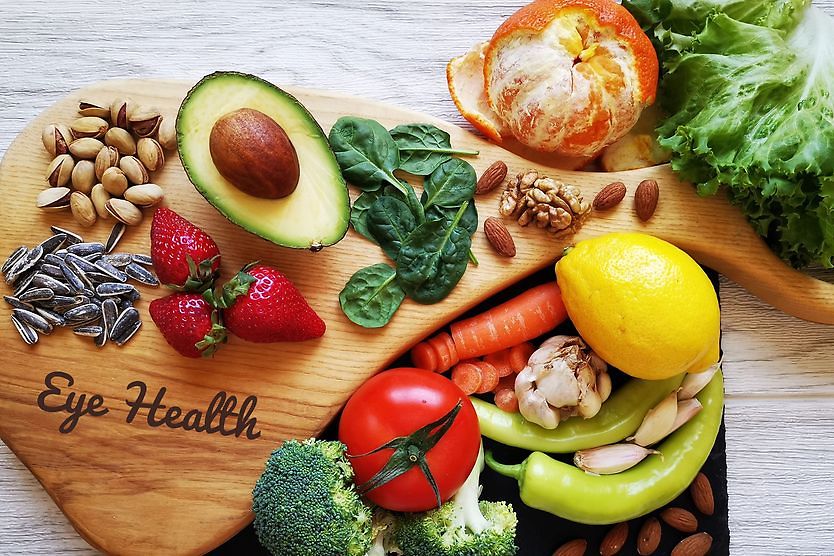
Sunflower seeds and almonds are excellent sources of vitamin E. Other vitamin E-rich foods include hazelnuts, peanut butter, spinach, avocados, olive oil and whole grains.
The daily RDA for vitamin E is 15 mg (22.5 IU) for teens and adults.
Develop good eating habits now for lifelong health and vision
Your teen years are the ideal time to start developing healthy eating habits for lifelong good health and optimum vision.
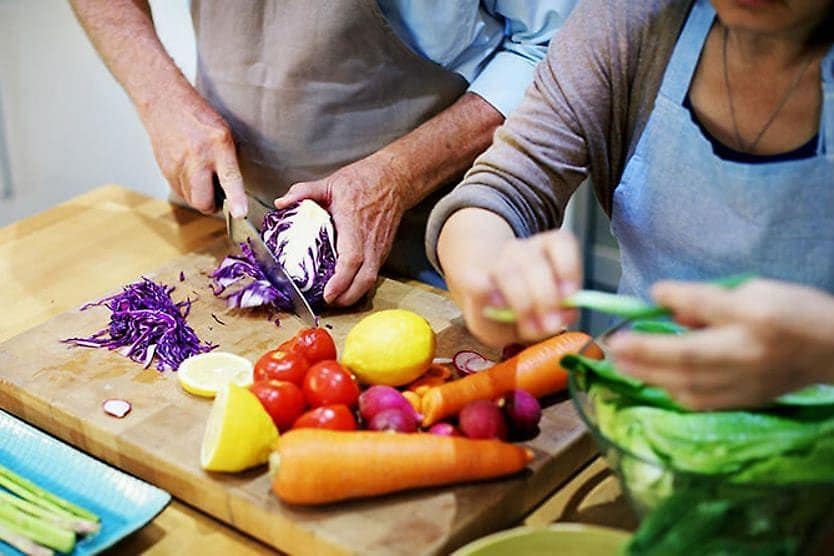
To make sure you are eating right during this often-hectic time in your life, consider following this simple tip: Eat plenty of green, leafy vegetables as part of every meal, and for snacks, eat a variety of nuts and colorful fruits and vegetables.
These simple steps can go a long way toward making sure you have the nutrients you need to see well for a long, healthy lifetime.