A Guide to Children's
Vision Problems
Early detection of children's vision problems is essential to make sure your kids have the visual skills they need to do well in school, sports and other activities.
Vision is arguably the most important of the five senses. It plays a crucial role throughout childhood and beyond.
From infancy on, there are important milestones in your child's vision development. For example, during the first several months of life, a baby can focus only on objects up close. Those objects will be seen in high contrast colors only, such as black, white and red. But by six months of age, your child's visual acuity should be much sharper, with more accurate color vision and better eye movement and eye-hand coordination skills.


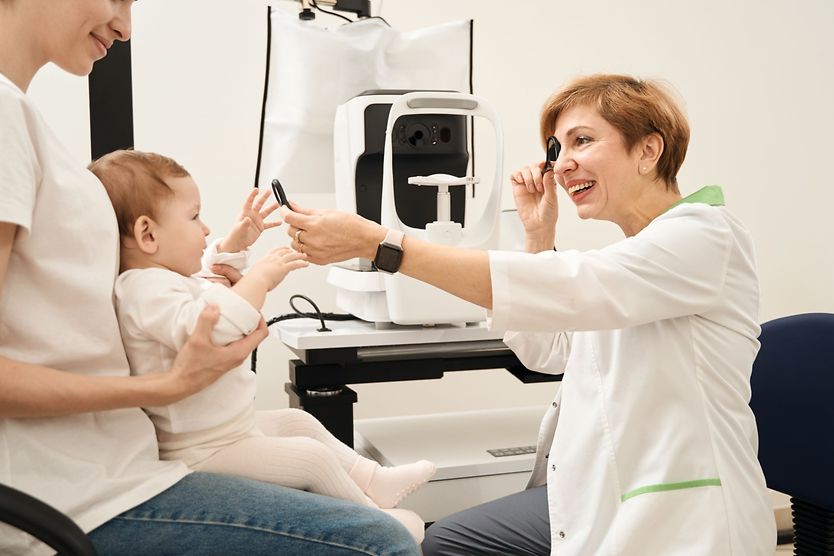
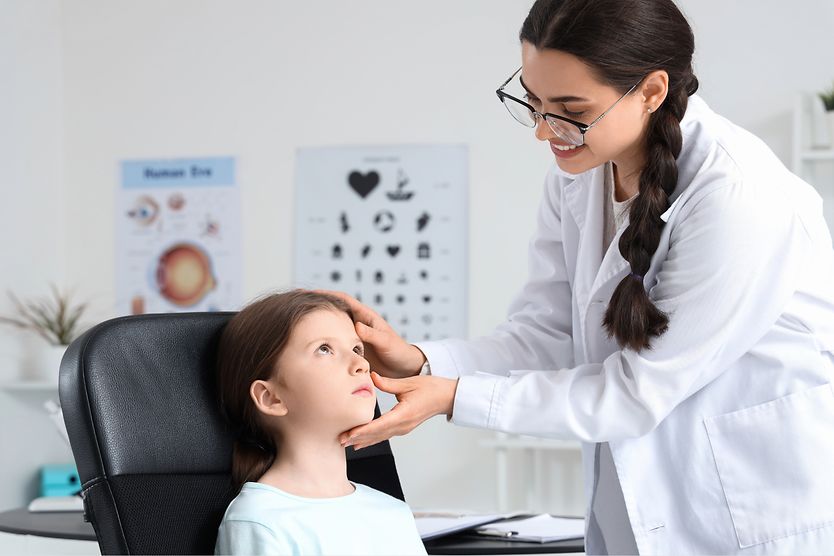
At this point you should have your child's eyes examined by a pediatrician or an eye doctor, to make sure their eyes are working together as a team during the early formative years. Otherwise, a lifetime of poor vision in one or both eyes may result.
Moving into the preschool and school-age years, parents face a new set of worries:
- When should my child have his first eye exam?
- What tests should a complete children's eye exam include?
- What if my child requires vision correction?
- Will his vision worsen over time, or improve?
- What type of eyeglasses should my child wear?
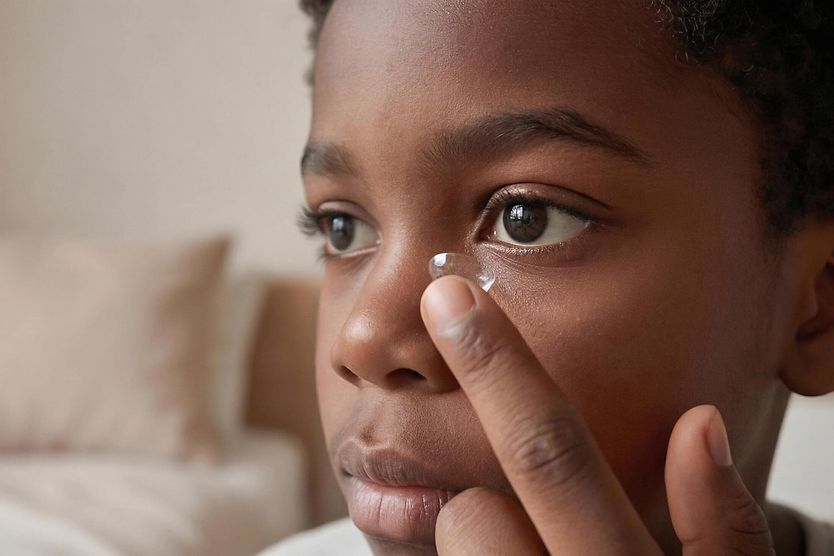
- What if he won't wear his glasses? Can he wear contact lenses?
- Will his vision problem affect his learning?
- Should I worry about how his computer use is affecting his eyes?
Parents of school-age children should stay informed about vision correction options, such as using contact lenses instead of glasses to control nearsightedness and protective sports eyewear. Ensuring that children wear sunglasses is very important, too. (Learn more about sunglasses for kids.)
This comprehensive section answers the above questions and many, many more. Consult your pediatrician and eye care practitioner with specific questions about your child's vision development, vision problems and eyewear needs. 
[Page updated January 2009]
- Your eyelids may be causing your dry, scratchy and irritated eyes. Learn more
- Teens and contacts: What parents need to know


Reproduction of any images or text from this website is prohibited by copyright law.