Nutrition for healthy eyes
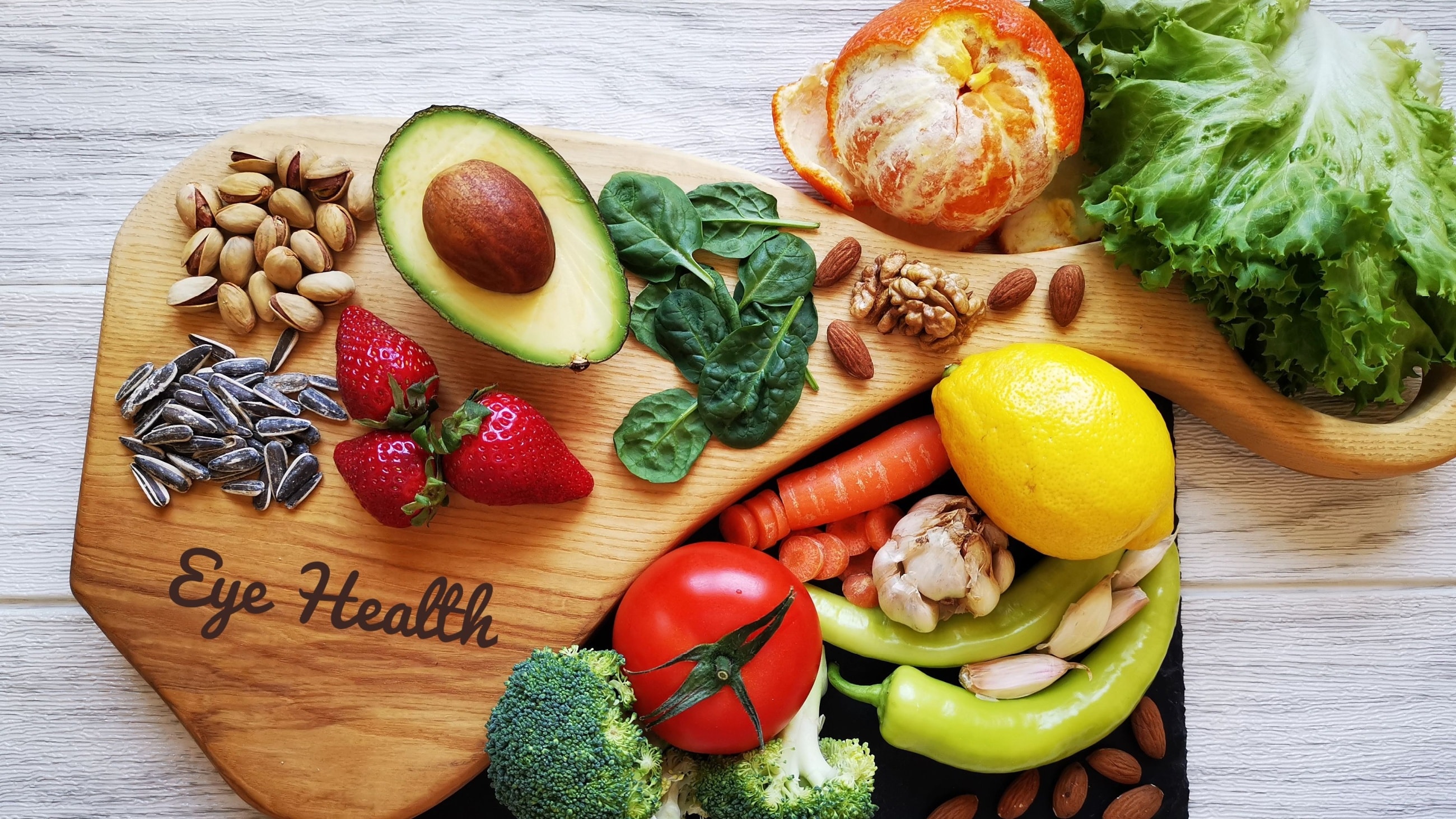

Research suggests that antioxidants and other important nutrients may reduce your risk of cataracts and macular degeneration. Specific antioxidants can have additional benefits as well. For example, vitamin A may protect against blindness, and vitamin C may play a role in preventing or alleviating glaucoma.
Omega-3 essential fatty acids appear to help the eye in a variety of ways, from alleviating symptoms of dry eye syndrome to guarding against macular damage.
Eye benefits of vitamins and micronutrients
The following vitamins, minerals and other nutrients have been shown to be essential for good vision and may protect your eyes from sight-threatening conditions and diseases.
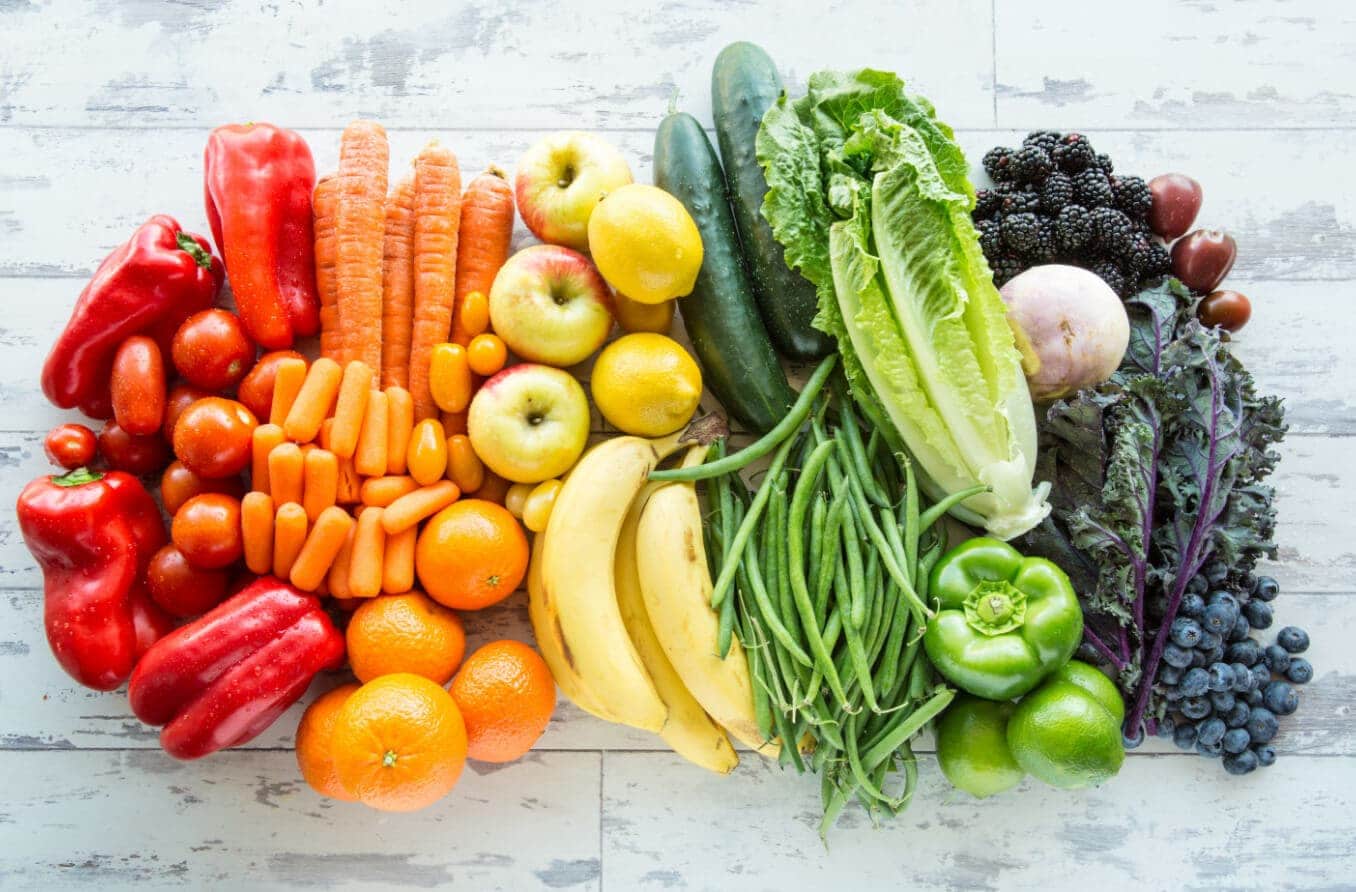
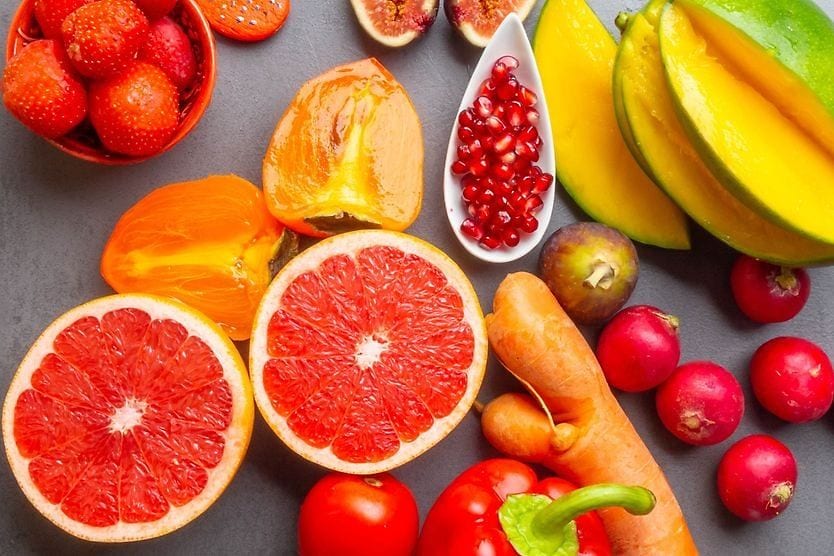
A healthy diet for your eyes should include plenty of colorful fruits and vegetables.
Incorporating the following foods in your diet will help you get the Recommended Dietary Allowance (RDA) of these important eye nutrients. The RDA is the average daily dietary intake level of a nutrient sufficient to meet the requirements of nearly all healthy individuals in a specific life stage and gender group.
While the RDA is a useful reference, some eye care practitioners recommend higher daily intakes of certain nutrients for people at risk for eye problems.
(In the following list, mg = milligram; mcg = microgram (1/1000 of a mg) and IU = International Unit.)
Beta-carotene
- Eye benefits of beta-carotene: When taken in combination with zinc and vitamins C and E, beta-carotene may help reduce the progression of macular degeneration.
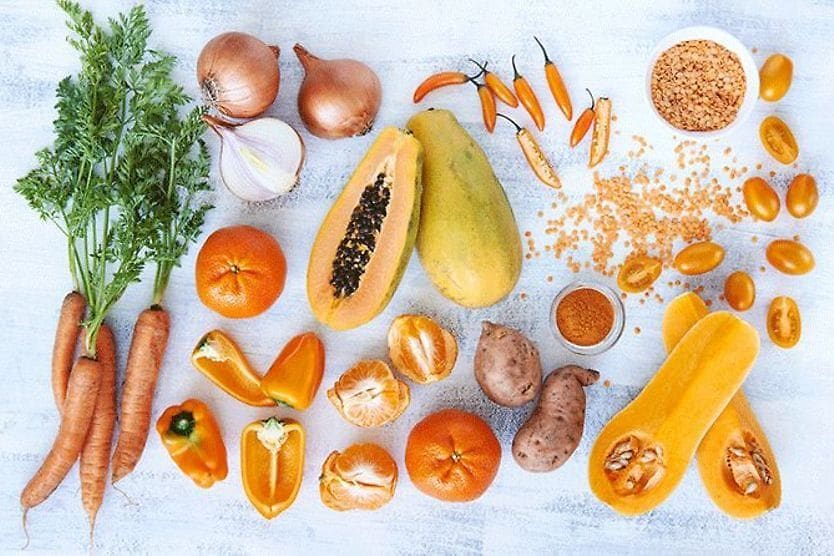
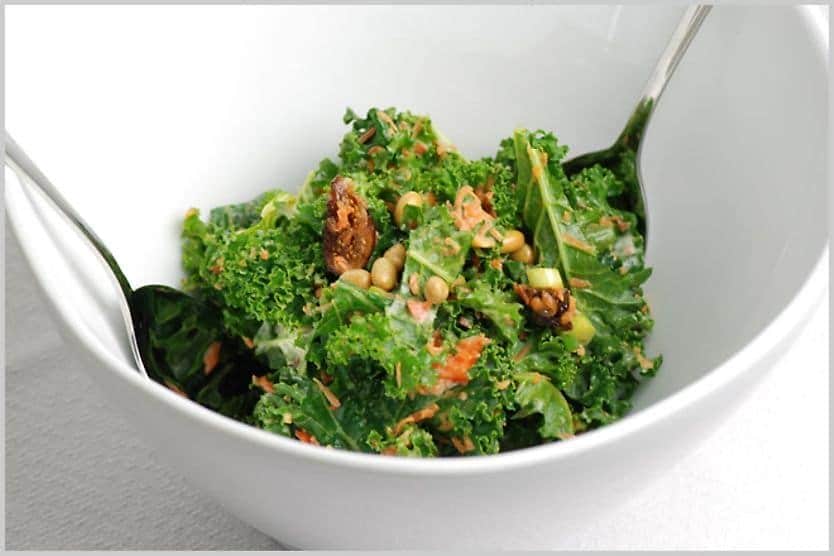
- Food sources: Carrots, sweet potatoes, spinach, kale, butternut squash.
- RDA: None (most supplements contain 5,000 to 25,000 IU).
Bioflavonoids (Flavonoids)
- Eye benefits of bioflavonoids: May help protect against cataracts and macular degeneration.
- Food sources: Tea, red wine, citrus fruits, bilberries, blueberries, cherries, legumes, soy products.
- RDA: None.
Lutein and Zeaxanthin
- Eye benefits of lutein and zeaxanthin: May help prevent cataracts and macular degeneration.
- Food sources: Spinach, kale, turnip greens, collard greens, squash.
- RDA: None.
Omega-3 Fatty Acids
- Eye benefits of omega-3 fatty acids: May help prevent macular degeneration (AMD) and dry eyes.
- Food sources: Cold-water fish such as salmon, mackerel and herring; fish oil supplements, freshly ground flaxseeds, walnuts.
- RDA: None; but for cardiovascular benefits, health organizations recommend approximately 1,000 mg daily.
Selenium
- Eye benefits of selenium: When combined with carotenoids and vitamins C and E, may help reduce the risk of advanced AMD.
- Food sources: Seafood (shrimp, crab, salmon, halibut), Brazil nuts, enriched noodles, brown rice.
- RDA: 55 mcg for teens and adults (60 mcg for women during pregnancy and 70 mcg when breast-feeding).
Vitamin A
- Eye benefits of vitamin A: May help protect against night blindness and dry eyes.
- Food sources: Beef or chicken liver; eggs, butter, milk.
- RDA: 3,000 IU for men; 2,333 IU for women (2,567 IU during pregnancy and 4,333 IU when breast-feeding).
Vitamin C
- Eye benefits of vitamin C: May help reduce the risk of cataracts and macular degeneration.
- Food sources: Sweet peppers (red or green), kale, strawberries, broccoli, oranges, cantaloupe.
- RDA: 90 mg for men; 70 mg for women (85 mg during pregnancy and 120 mg when breast-feeding).
Vitamin D
- Eye benefits of vitamin D: May help reduce the risk of macular degeneration.
- Food sources: Salmon, sardines, mackerel, milk; orange juice fortified with vitamin D.
- RDA: None, but health organizations recommend 400 IU per day for infants, children and adolescents, and many experts recommend higher daily intakes for adults.
- The main source of vitamin D is exposure to sunlight. Ultraviolet radiation from the sun stimulates production of vitamin D in human skin, and just a few minutes of exposure to sunlight each day (without sunscreen) will ensure your body is producing adequate amounts of vitamin D.
Vitamin E
- Eye benefits of vitamin E: When combined with carotenoids and vitamin C, may help reduce the risk of advanced AMD.
- Food sources: Almonds, sunflower seeds, hazelnuts.
- RDA: 15 mg for teens and adults (15 mg for women during pregnancy and 19 mg when breast-feeding).
Zinc
- Eye benefits of zinc: Helps vitamin A reduce the risk of night blindness; may play a role in reducing risk of advanced AMD.
- Food sources: Oysters, beef, Dungeness crab, turkey (dark meat).
- RDA: 11 mg for men; 8 mg for women (11 mg during pregnancy and 12 mg when breast-feeding).
In general, it's recommended to obtain most nutrients through a healthy diet, including at least two servings of fish per week and plenty of colorful fruits and vegetables.
If you plan to begin a regimen of eye vitamins, be sure to discuss this with your optometrist or ophthalmologist. Taking too much of certain vision supplements can potentially cause problems, especially if you are taking prescription medications for health problems.
Bon appétit!