Low vision
What is low vision?
Low vision is the term used to describe a significant visual impairment that can't be fully corrected with glasses, contact lenses, medication or eye surgery.
Low vision can include one or more of the following:
- A best-corrected visual acuity measurement of 20/70 or worse, in the better eye.
- Significant visual field loss. Blind spots and tunnel vision (the loss of your peripheral vision) are two examples of visual field loss.
- Legal blindness. In the United States, legal blindness is typically defined as 20/200 vision or worse, in the better eye, with the best possible vision correction. It can also include a field of view that is reduced to 20 degrees or less.
Depending on the type and severity of vision loss, people with low vision may still be able to see varying degrees of figures, shapes and even letters. This differentiates them from those who are totally blind and cannot see any forms of light.
Disability statistics show that 2.5% of Americans reported having a visual disability or low vision.
Causes of low vision
Low vision often may be caused by eye diseases or conditions such as:
- Cataracts – A clouding of the eyes’ natural lenses that can lead to frequent vision prescription changes and eventually cloudy, blurry vision.
- Macular degeneration – A disease that causes a gradual loss of the central part of a person's vision.
- Diabetic retinopathy – Retina damage caused by diabetes that can result in blind spots, blurriness and visual distortions.
- Glaucoma - Retinal damage caused by elevated pressure inside the eye. This causes a gradual loss of peripheral vision.
- Retinitis pigmentosa - A deterioration of the retina that reduces peripheral vision and the ability to see in the dark as the condition develops.
- Eye injuries.
- Developmental eye conditions, such as congenital cataracts and childhood glaucoma.
What you can do if you notice vision problems
If your vision interferes with your ability to perform everyday activities and enjoy your life, it is recommended to visit an eye doctor and get a comprehensive eye exam.
Poor vision that cannot be corrected with eyeglasses or contact lenses could be a sign of a serious eye disease, such as age-related macular degeneration, glaucoma or retinitis pigmentosa. It could also mean you are developing a cataract(s) that needs to be treated.
No matter the cause, it's generally a good idea to take action before vision loss worsens.
The financial impact of low vision
Low vision can make it hard to make a living on par with others. According to a recent survey:
- The employment rate for visually disabled Americans aged 21-64 was 52.6%.
- The full-time/full-year employment rate was 38.1%. Of those who were unemployed, about 8 9.1% were actively looking for work.
- The median annual income of working-age individuals with a visual disability was $48,900 compared to $61,200 for working-age individuals without a disability.
- Individual poverty rates were 25.4% for visually disabled people, compared to 9.4% of those without a disability.
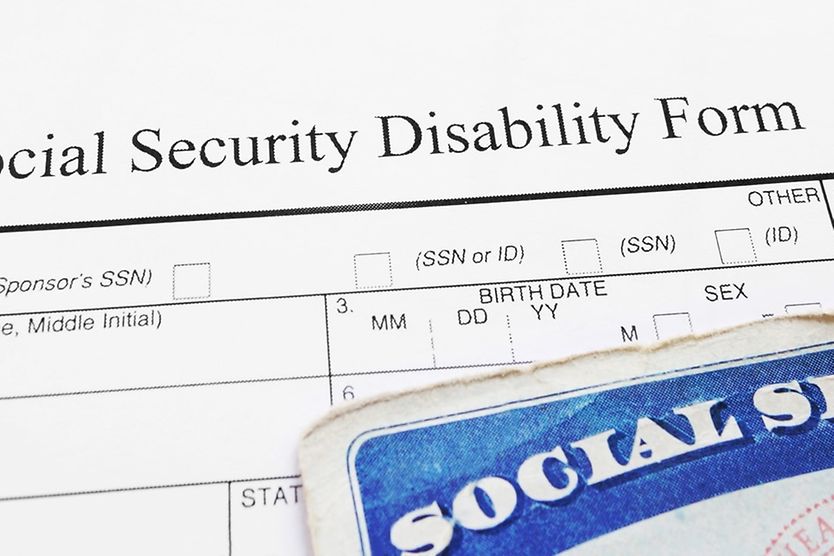
People with low vision may qualify for certain government assistance programs. This financial help can be an invaluable lifeline and is meant to be utilized whenever possible.
SEE RELATED: Disability benefits for people with low vision
Living with low vision
If your eye doctor determines that vision loss cannot be corrected with standard eyewear, medical treatment or surgery, they may be able to help you find ways to adapt to these challenges.
While these steps may feel difficult at first, they can eventually help you enjoy an active, fulfilling lifestyle.
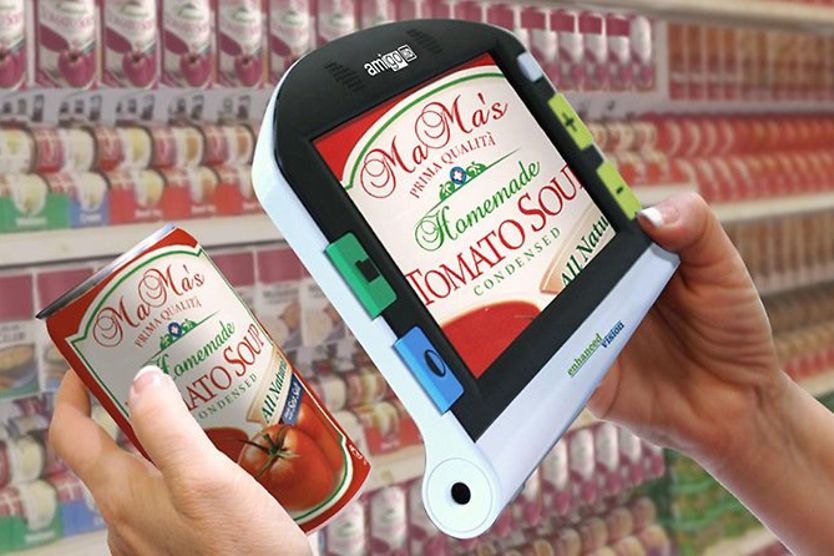
An eye doctor who doesn't specialize in low vision will likely refer you to a low vision specialist. This eye doctor can evaluate your vision and recommend helpful low vision aids, such as:
- Lighted handheld magnifiers
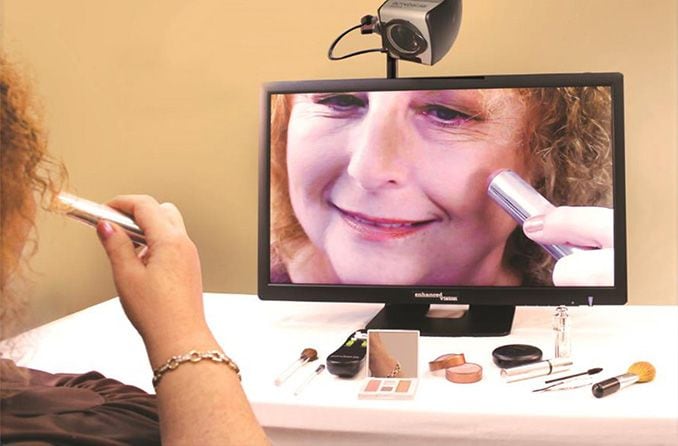
- Digital desktop magnifiers
- Bioptic telescopes
- Software that simplifies computer use with magnification and text-to-speech features
They can teach you how to use these and other devices, and help you incorporate them into your daily life. A specialist may also recommend non-optical adaptive devices, including:
- Large-text printed material
- Audio recordings
- Special light fixtures
- Signature guides for signing checks and documents
- Special eyewear with tinted UV filters, that can help with some light sensitivity and contrast problems
Children with low vision may experience learning problems that require special instruction, and may need a helping hand to develop certain socialization skills. A pediatric ophthalmologist specializes in the management and care of children's eye problems.
If needed, your doctor can refer you or your family member to a mental health professional and/or mobility coach to help you along your journey. Numerous nonprofits and humanitarian groups may also be able to help.
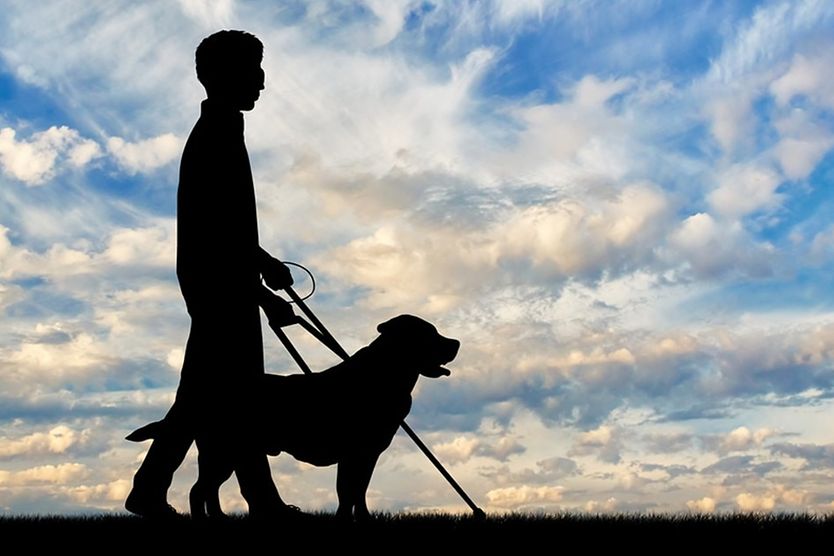
There are even organizations that can also help you decide whether a guide dog would be a good fit.
Adam Debrowski also contributed to this article