Contact lenses and pink eye
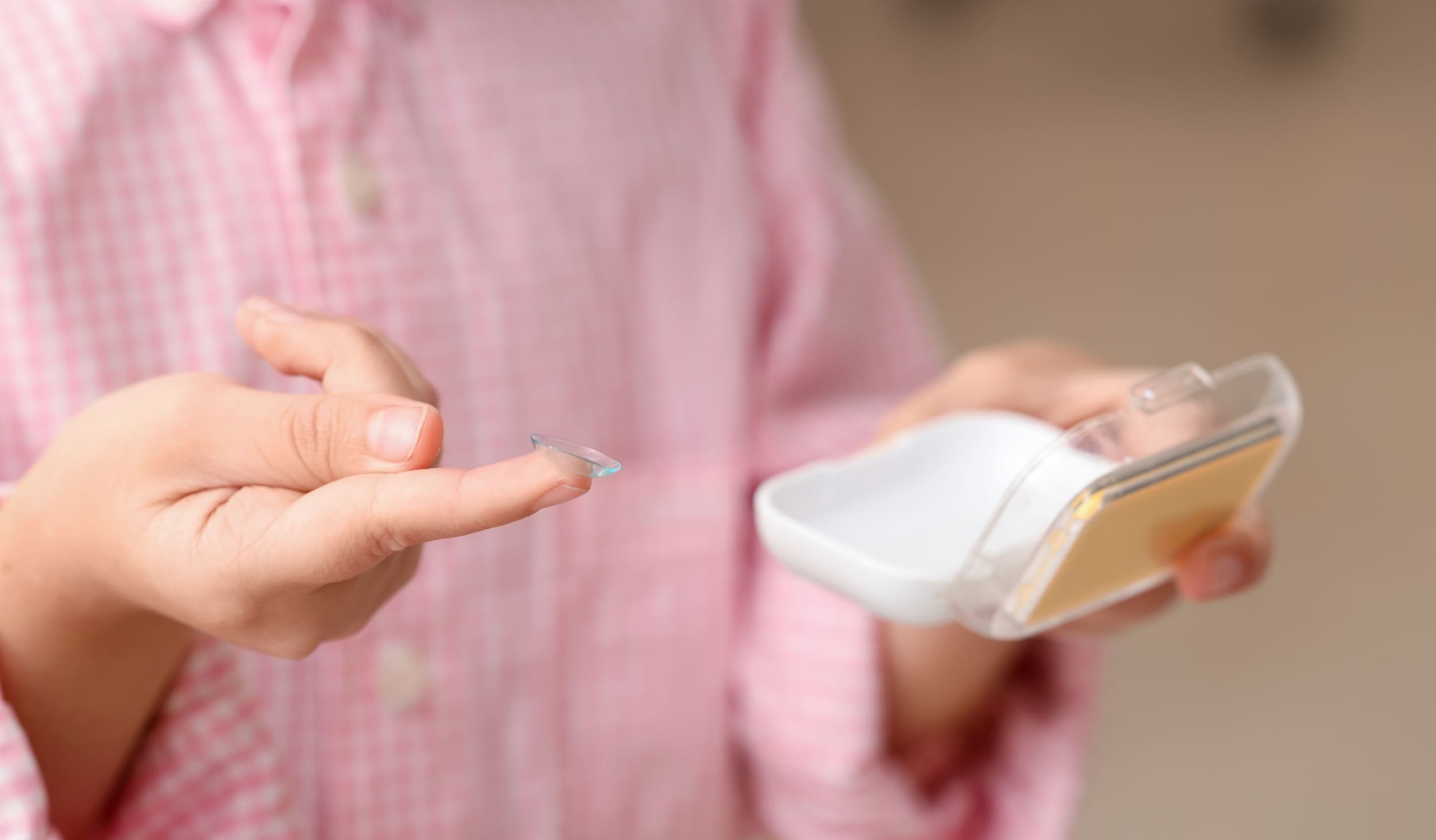

Many people look to contact lenses as a way to correct their vision. However, there are some added risks that contact lens wearers take on.
Even the most diligent contact lens care may not be enough to prevent the occasional eye infection. So, what does one do if the lenses they rely on are the cause of their conjunctivitis?
Below, we touch on the different types of conjunctivitis and other eye infections that wearing contact lenses can cause. Plus, how your use of contact lenses is affected during and after dealing with an eye infection.
Eye infections from contacts
An eye infection can happen to anyone. However, contact lens wearers are usually at a greater risk of contracting pink eye and other eye infections. Here are some eye infections commonly associated with contact lens use:
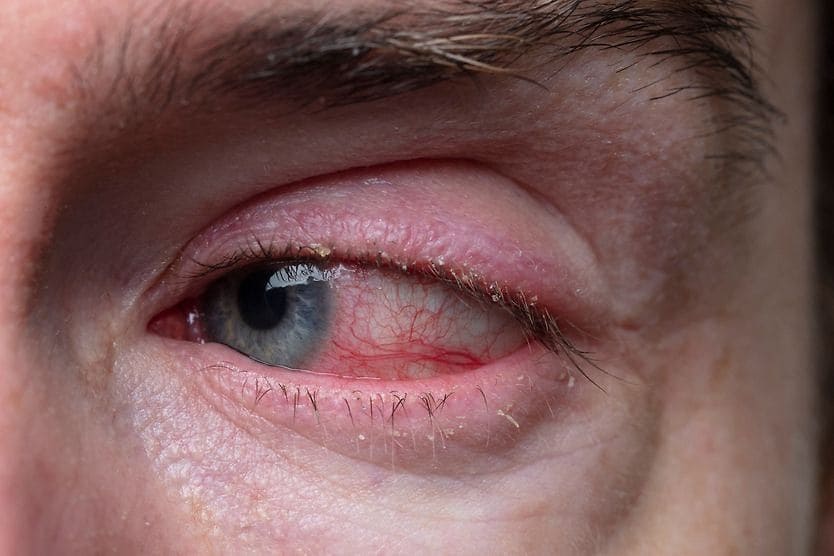
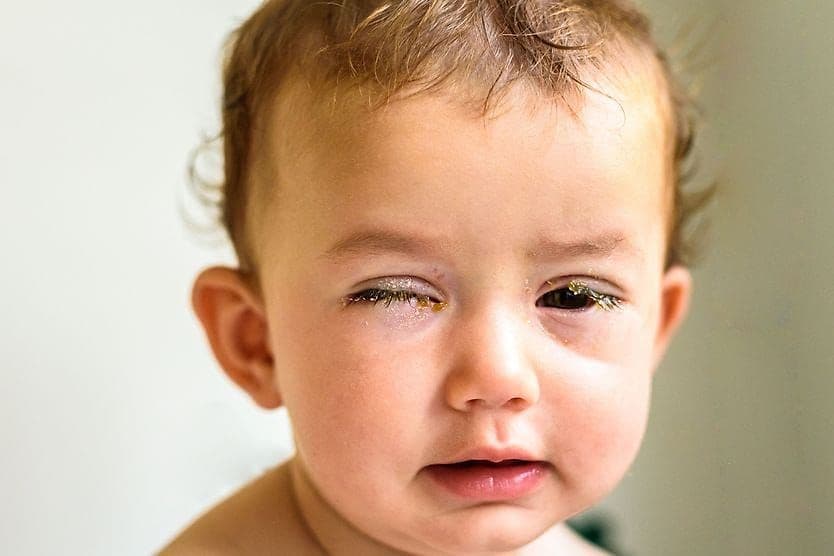
Bacterial conjunctivitis
Bacterial conjunctivitis is a strain of pink eye that is typically caused by staphylococcal or streptococcal bacteria. This bacteria can come from respiratory droplets or skin, whether it’s yours or someone else’s.
Practicing poor hygiene, frequently touching your eyes and face, and making physical contact with other people are common ways to contract bacterial conjunctivitis. Bacteria can also be spread through contaminated eye makeup and other items that come into contact with your face, such as towels and pillows.
It’s not recommended to share eye makeup or contact lenses (prescription or cosmetic) with another person. This can expose both parties to bacteria and potential infection.
Giant papillary conjunctivitis
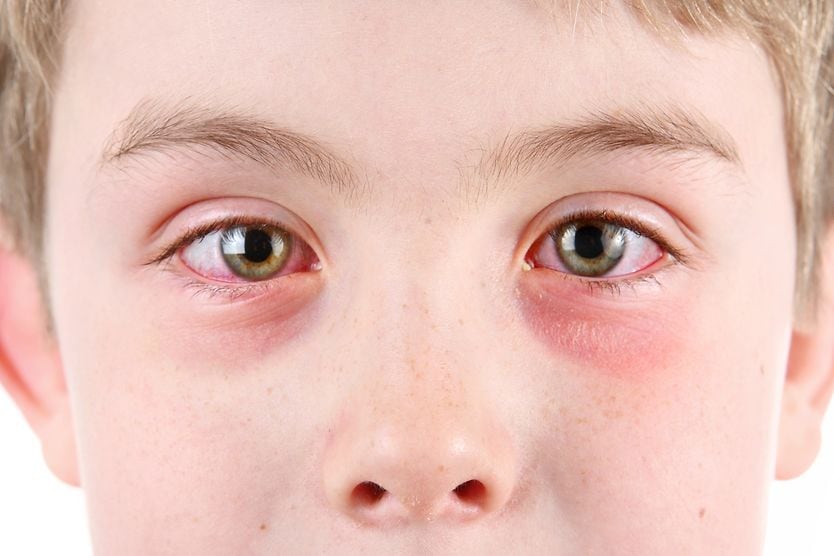
Giant papillary conjunctivitis (GPC) is often classified as a form of allergic conjunctivitis, but it is also a type of conjunctivitis caused by irritation of the inside of the eyelids. Often, the culprit that causes GPC is irritation from the edge or surface of a contact lens — especially when a dirty lens with protein deposits causes an inflammatory response.
GPC is often seen among people who wear soft contact lenses than among those who wear rigid gas-permeable (RGP) lenses.
Treatment of GPC usually involves switching to a different type of contact lens and more frequent lens replacement, including the use of daily disposable contact lenses. In some cases, the person with giant papillary conjunctivitis will have to discontinue wearing contacts and wear only eyeglasses for a period of time until the GPC clears up. To decrease your risk of GPC returning, it’s recommended to reduce your contact lens wearing time and wear your glasses more frequently.
Acanthamoeba keratitis
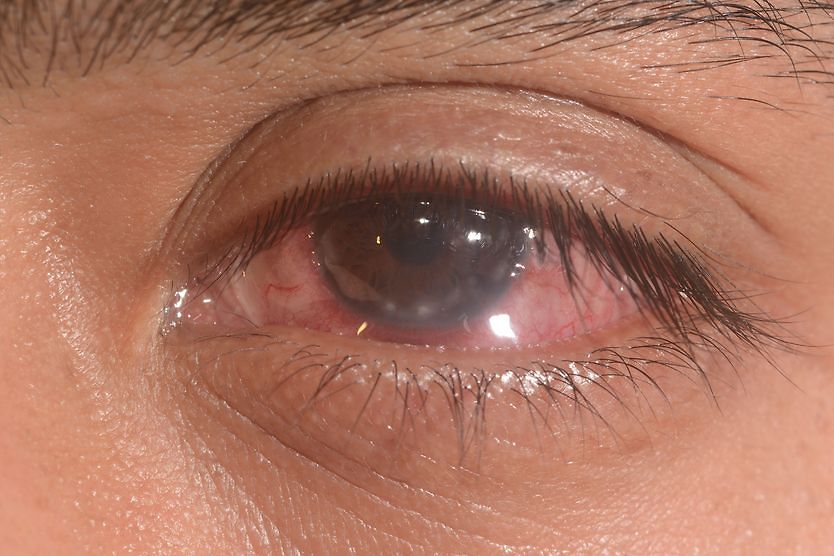
While this condition is usually rare, contact lens wearers are at risk. Acanthamoeba keratitis occurs when a parasite (Acanthamoeba) infests the eye.
Acanthamoeba are typically found in water, including swimming pools, hot tubs and tap water. When contact lens wearers use tap water to clean or store their contacts, or when they choose to swim in their contact lenses, they’re exposing their eyes to those water-dwelling parasites.
If not promptly treated, Acanthamoeba keratitis can cause permanent vision loss or require surgery to recover lost eyesight.
Can I wear contacts with pink eye?
Though it may seem tempting, as soon as you notice something is “off” in one or both of your eyes, the first thing you should do is remove your contacts and switch to glasses.
It’s difficult to pinpoint the cause of an eye infection without seeing an eye doctor who can examine your eyes and make a determination. However, even if your contact lenses didn’t cause the eye infection, continuing to wear them is not advised.
Contact lenses can attract bacteria — they collect and store the bacteria entering and currently residing in your eyes. This is counterproductive when trying to clear up an eye infection.
Another issue: Eye infections typically cause a gritty or burning sensation in the eyes that is only made worse by wearing contact lenses.
So, while it may not be convenient or stylish, swapping out your contacts for a pair of specs is the recommended choice for your eyes if they are irritated or infected.
Wearing contacts after pink eye
If your eye infection turns out to be bacterial conjunctivitis, prescription antibiotic eye drops or ointment are often the preferred treatment. During this time, it is also recommended that you refrain from wearing contact lenses or eye makeup.
Once you’ve completed your entire regimen of antibiotics (usually 7-10 days), you should be free to wear your contact lenses again. However, if you wear monthly or two-week contacts, you should throw out the lenses you were wearing when the infection began and replace them with new ones.
It’s important to make sure you continue with your antibiotic treatment as directed, even if your eyes start to look and feel better after a few days. It's also important to follow up with your eye doctor so they can confirm that your eye infection is gone.
Preventing eye infections with contacts
Wearing contact lenses can take diligent and responsible care to keep your eyes clean and healthy. Here are a few tips to help you prevent pink eye and other eye infections in the future:
- Wash your hands frequently.
- Avoid touching your eyes and face.
- Only use clean hands to apply, remove and adjust contact lenses.
- Thoroughly and frequently clean your contact lenses with a solution recommended by your eye doctor.
- Follow the recommended lens replacement schedule (i.e., don't wear contacts for longer than they’re meant to be worn).
- Do not share eye makeup or contact lenses with anyone.
- Frequently wash or replace your pillow case.
- Use clean towels when you wash and dry your face.
READ MORE: 6 remedies for contact lens discomfort