Photophobia (light sensitivity)
What is light sensitivity?
Light sensitivity, also known by the medical term photophobia, is when your eyes feel uncomfortable in bright light. Both sunlight and artificial light can worsen photophobia. Photophobia is a symptom, not a medical condition. But it can be caused by a medical condition that may need treatment.
Mild sensitivity to light may not affect your daily activities very much, but moderate or severe photophobia can impact life in many ways.
Diagnosing and treating an underlying cause of photophobia could help your eyes feel less sensitive to light. It may even relieve the sensitivity completely.
Your eye doctor will recommend strategies to help improve your eye comfort around light.
Understanding photophobia
There are two types of photophobia: direct and consensual. To find out which one you have, an eye doctor can test one eye at a time by shining a handheld light into each eye.
- Direct – The eye that's exposed to light feels uncomfortable, but the other eye feels normal.
- Consensual – When light is directed toward one eye, it causes pain in the other eye. Doctors sometimes call this true photophobia.
People with photophobia usually feel like their eyes get more sensitive as the amount of light increases.
For example, someone with moderate light sensitivity might feel fine in a dimly lit room, but their eyes might feel uncomfortable with all the lights turned on. On a sunny day, it may be hard for them to comfortably open their eyes unless they're wearing dark sunglasses.
Some people are more sensitive to certain kinds of light, too. Blue light (which can come from digital screens and sunlight) may aggravate photophobia more than warmer tones in some people.
Causes of photophobia
Photophobia can be caused by many different medical conditions that affect your eyes, brain, nerves or other areas. Light sensitivity can also be a side effect of some medicines.
If you have photophobia, it doesn't necessarily mean something is wrong with you. Medical professionals like eye doctors and neurologists can help you figure out why your eyes are sensitive to light and how you can feel better.
Migraines and dry eyes are two of the most common causes of photophobia. While these conditions can be debilitating for some people, doctors can recommend many different treatment options to help you find relief.
Eye conditions
Eye issues or conditions are common causes of light sensitivity. An optometrist or ophthalmologist can usually help manage these conditions.
- Dry eyes– Tears don't lubricate the eyes well enough to stay comfortable.
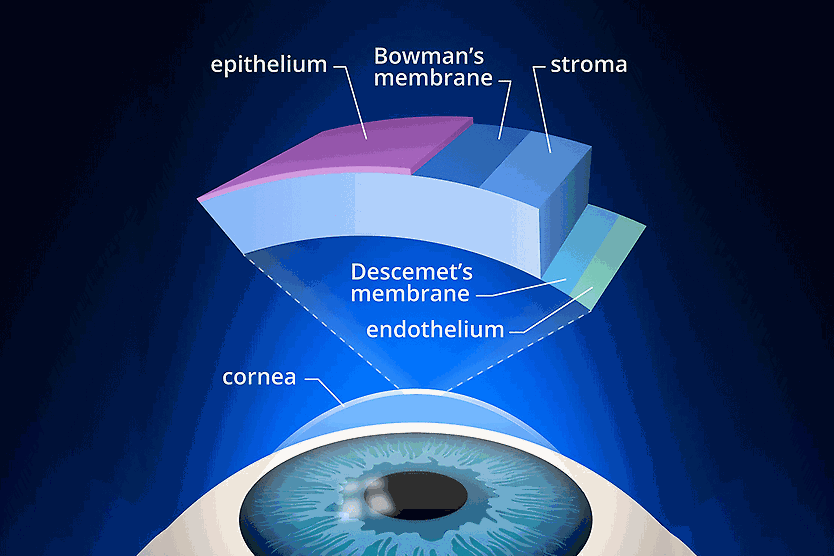
- Corneal abrasion– A scratch on the clear front layer of the eye (the cornea).
- Other trauma – Another injury to the eye or area around the eye.
- Conjunctivitis – Inflammation of the thin, clear outer lining that covers the white part of your eye and inner eyelid (the conjunctiva). It's often called pink eye.
- Keratitis– Inflammation of the cornea.
- Uveitis– Inflammation of the middle layer of the eye (the uvea).
- Scleritis – Inflammation of the white part of the eye (the sclera).
- Coloboma– A piece of tissue is missing inside the eye. Many people with this eye condition don't have symptoms.
Brain and nerve conditions
Your brain and nerves are both involved in the way you process light and pain. Problems with the nervous system are often handled by a neurologist.
- Migraine headache – A type of headache that can cause debilitating pain on one side of your head, along with other symptoms. Migraines are different from ocular migraines. Migraine-related visual disturbances typically originate in the brain, rather than the eyes.
- Traumatic brain injuries (TBI) – An injury to the brain caused by a blow, fall or other kind of trauma. About half of all traumatic brain injuries cause photophobia.
- Meningitis – Swelling in the outer layer of the brain and spinal cord. Fever and neck stiffness are also common warning signs.
- Encephalitis – Brain inflammation usually caused by an infection.
- Subarachnoid hemorrhage – Bleeding under a thin tissue layer that surrounds the brain.
- Brain tumor – A fast-growing mass in or near the brain. Some brain tumors can cause vision changes.
Side effects or complications
Light sensitivity can be a side effect of certain medications and procedures. Some of them are:
- Dilating eye drops – Medicated drops used by eye doctors to widen your pupils during a dilated eye exam.
- Cataract surgery– A procedure to remove the cloudy natural lens inside the eye and replace it with a clear artificial lens.
- Laser eye surgery – Procedures like LASIK that use lasers to correct your vision.
- Certain medications – Sensitivity to light is one possible side effect of several medicines. These range from drugs that treat anxiety and depression to antimalarials.
Talk to your doctor or pharmacist if you think a current or past treatment is causing photophobia.
Other causes
Some other causes of photophobia can include:
- Stress – Periods of stress may make your eyes more sensitive to light.
- Mental health disorders – Depression, anxiety and panic disorder have been associated with photophobia.
- Fibromyalgia – Long-term pain, tiredness and other symptoms. Researchers don't know exactly what causes it.
- Chronic fatigue syndrome (CFS) – Long-lasting fatigue with an unknown cause. It also goes by the medical term myalgic encephalomyelitis (ME).
- Mineral and vitamin deficiencies – Low levels of vital nutrients like vitamins A and B2 can lead to light sensitivity in your eyes.
The causes listed above aren't the only things that can make your eyes sensitive to light. An eye doctor or physician can help you find a diagnosis and get treatment.
Symptoms of photophobia
For some, photophobia can feel like pain, aching or general discomfort in their eye(s) while they're exposed to light. Other people can feel like lights are brighter than they should be, but the lights don't cause pain.
Your discomfort depends on how severe your photophobia is and what's causing it. People with severe light sensitivity can feel eye pain even in low levels of light.
You may feel like you regularly:
- Squint your eyes around bright light.
- Need sunglasses outside more often.
- Wear sunglasses indoors.
- Avoid bright rooms or going outside on bright days.
- Dim or turn off indoor lights.
- Lower the brightness setting on your smartphone, TV, computer monitor and other digital screens.
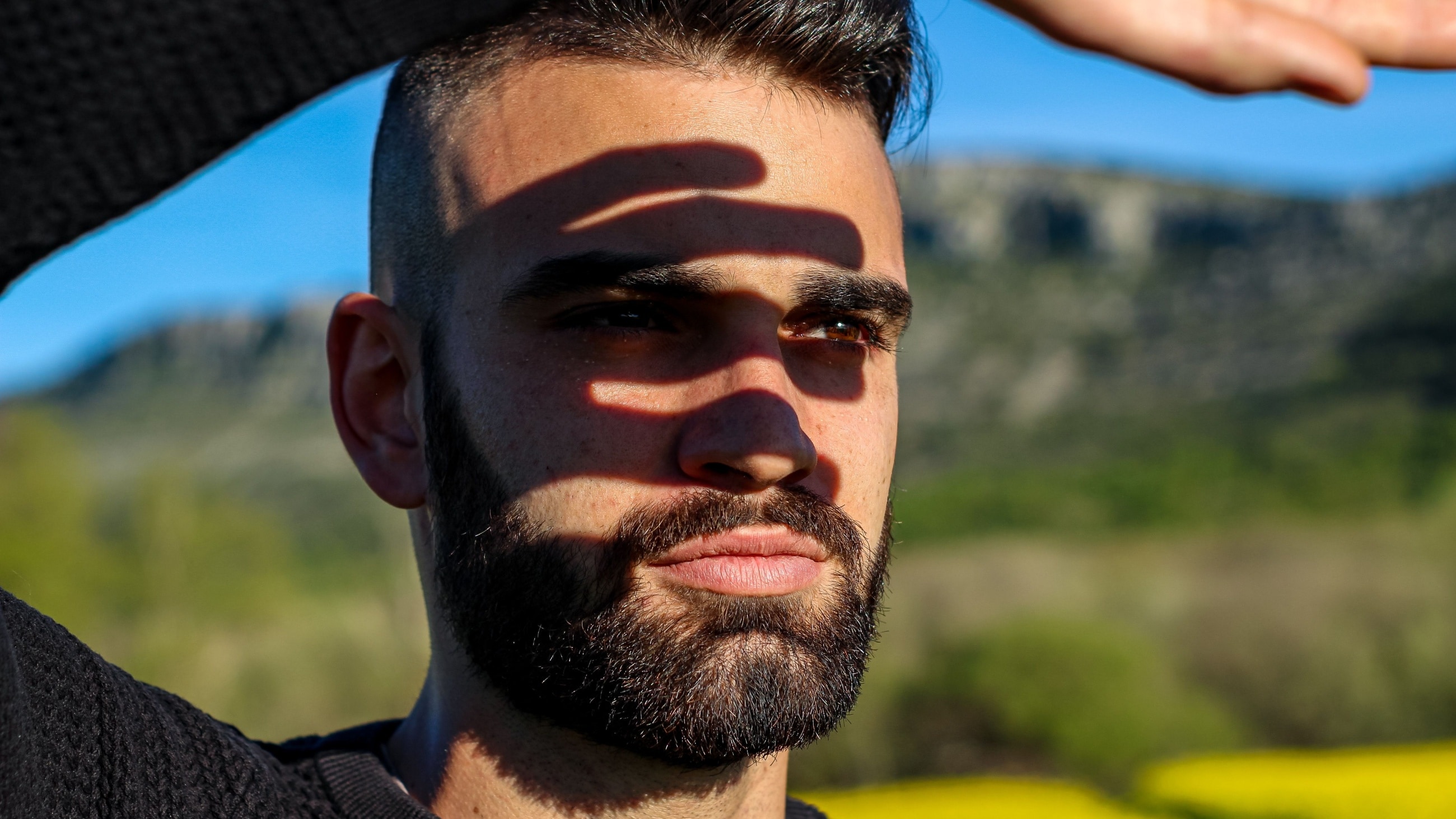
- Block sunlight with your hand or a hat.
Remember, photophobia is a symptom, not a condition.
Talk to your doctor if you have light sensitivity and a headache, eye redness or other symptoms. These are probably related to a separate issue.
Diagnosing photophobia
An optometrist or ophthalmologist can evaluate your eyes during a comprehensive eye exam to determine the underlying cause of photophobia. The diagnosis can be simple for some people and more complicated for others.
If there isn't a clear cause, many people start with an eye exam since the symptom involves their vision.
During your exam, an eye doctor will check the outside and inside of each eye for signs of problems that cause light sensitivity. They'll also ask you questions about your eyes, other health conditions and any other symptoms you've experienced.
The doctor will probably perform these common tests:
- Slit-lamp test – A microscope attached to bright light (called a slit-lamp) is used to examine your eyes. They may also use a yellow dye called fluorescein to check for problems along the front of your eye.
- Pupillary response – A flashlight is used to measure how well your pupils react to light.
- Eye dilation – Eye drops are used to widen your pupils so the doctor can see inside your eyes better.
If there are no apparent underlying causes, an eye doctor may perform special diagnostic tests like color vision testing, an optical coherence tomography angiography (OCT / OCTA) and electroretinogram. Your eye doctor will likely include this information if they refer you to a neurologist or a neuro-ophthalmologist.
If a neurologist has performed a clinical exam and suspects a neurological condition such as meningitis, they may perform a lumbar puncture (also called a spinal tap). A neurologist uses this procedure to test the fluid around your brain and spinal cord, called cerebrospinal fluid, or CSF.
Treatment options for photophobia
The treatment for light sensitivity depends on the underlying cause of photophobia. When you treat this cause, you're also treating symptoms like sensitivity to light.
Your doctor might recommend one or more of these treatment options:
- Medications – This medicine may be taken by mouth, injected or applied directly to your eyes. For example, a doctor may prescribe a migraine patient one drug to stop a current headache and another drug to prevent future attacks.
- Lifestyle changes – These are things you can do at home or elsewhere in your daily life to help your eyes feel better.
- Other therapies – Your eye doctor might recommend special glasses such as light filters, lens coatings or other alternatives to help your eye sensitivity.
- Surgery – Rarely, an eye or health problem may require a surgical procedure to improve symptoms.
Managing photophobia
You can incorporate certain things into your daily life to make your eyes more comfortable. Consider using these techniques at home, work or anywhere else you feel sensitive to light:
- Try new sunglasses – Try to find sunglass lenses with a darker tint and polarized coating, which reduces glare. These features help less sunlight reach your eyes.
- Consider tinted glasses – Studies show that a pink-orange lens tint called FL-41 can help people with photophobia.
- Use artificial tears – Dry eyes are a common cause of photophobia. Ask your doctor if artificial tears or medicated eye drops could help your dry eye symptoms.
- Experiment with home lighting – Standard lightbulbs are available in several brightness levels (lumens) and color temperatures (Kelvin: the lower the "K" number, the warmer the color). Smart bulbs can also be set to non-traditional colors like green, which some research shows may help migraine-related photophobia.
- Limit certain kinds of light – Blue light may cause more sensitivity in people with photophobia than other wavelengths of light. Protect your eyes in the sunlight and take frequent screen breaks. Some people may feel like blue light-blocking or filtering glasses make their eyes more comfortable.
- Know your triggers – Migraine triggers come in many forms. Keep a headache journal so you can find out which triggers to avoid in the future.
Preventing photophobia
You usually can't prevent photophobia, but you may be able to prevent an underlying cause or attack (like a migraine).
Schedule an eye exam with an eye doctor to find out how you can manage your light sensitivity and limit its impact on your daily life. Your eye doctor can refer you to a specialist if they think you need it.
If you aren't sensitive to light, routine eye exams could prevent photophobia in the future by protecting your eye health today.
Photophobia and migraines
Migraines are a common cause of photophobia. In addition to light, a migraine can make you more sensitive to noise, smell and touch.
Studies suggest some people also feel more sensitive to light between their migraines — not just during an attack.
The two main types of migraine are:
- Migraine with aura
- Migraine without aura
Both migraine types can cause photophobia.
An aura is a group of unusual sensations some people experience right before or after their headache symptoms start. It usually doesn't last longer than an hour.
People who get auras may feel light-sensitive during both the aura and the headache.
Some migraines can be confused with the most common headache: tension headaches. These can also be very painful, but tension headaches usually don't cause photophobia. They typically don't involve nausea or vomiting and would not cause an aura beforehand.
FAQs
Is some sensitivity to light normal?
It's normal to feel a little sensitivity when your eyes adjust to bright light, but it should only last a moment.
Say your eyes feel slightly sensitive or uncomfortable when you walk out of a dark bedroom and into a room filled with morning sunlight. You may even need to squint for a few seconds. In the majority of cases, this is part of your eye's natural response to a sudden change in light.
However, someone with photophobia may feel a constant ache or pain in their eyes around bright light, not just in the moments after they've been in a dark area.
The amount of light needed to feel discomfort varies from person to person. Some people with photophobia feel painful sensitivity in normal indoor light levels.
Talk to an eye doctor if sensitivity to light interferes with your daily life or happens with other symptoms, like eye redness or headaches.
What's the difference between photophobia versus photosensitivity?
Photophobia is when your eyes are sensitive to light, but photosensitivity is when your skin is light-sensitive. It can cause red, itchy eruptions on areas of the skin that are exposed to sunlight. These rashes are usually temporary.
Photosensitivity can be caused by a substance, medication or medical condition.
What's the difference between photophobia and glare?
Glare is when light scatters or reflects in a distracting way. It can make things like car headlights and sunny days look brighter and more disruptive.
In some people, glare temporarily worsens their vision while they're exposed to it.
Glare causes discomfort in some people, but not everyone. People with photophobia often avoid bright situations and often feel pain or discomfort around bright light.
It's possible to have both symptoms at the same time. For example, studies have shown that many people with dry eye disease experience light sensitivity and glare.
Is photophobia a mental illness?
Photophobia is not a mental illness. However, it's possible that stress and some mental illnesses can cause symptoms such as light sensitivity. Chronic photophobia may also affect someone's mental health if it interferes with their quality of life. A therapist, psychiatrist or primary care physician can work with an eye doctor to help their patient.
Can astigmatism cause light sensitivity?
Light sensitivity is not a well-documented symptom of astigmatism. You're more likely to have symptoms like blurry vision, eye strain and trouble seeing in low light. Some people also get headaches.
If you have astigmatism and feel like your eyes are very sensitive to light, it could be caused by another problem. An eye doctor can examine your eyes and help you find out.
Can photophobia cause blindness?
Photophobia cannot cause blindness. However, certain sight-threatening diseases can make your eyes sensitive to light.
While these diseases are much less common than conditions like migraine and dry eye, your eye doctor may still need to rule them out.
Which doctor should I see for photophobia?
Schedule an eye exam with an optometrist or ophthalmologist if your eyes are sensitive to light.
Your eye doctor can check for eye conditions and help you manage your photophobia. If they don't suspect an eye problem, they can refer you depending on your symptoms and signs to a neurologist, neuro-ophthalmologist, psychiatrist, psychologist or other mental health specialist.