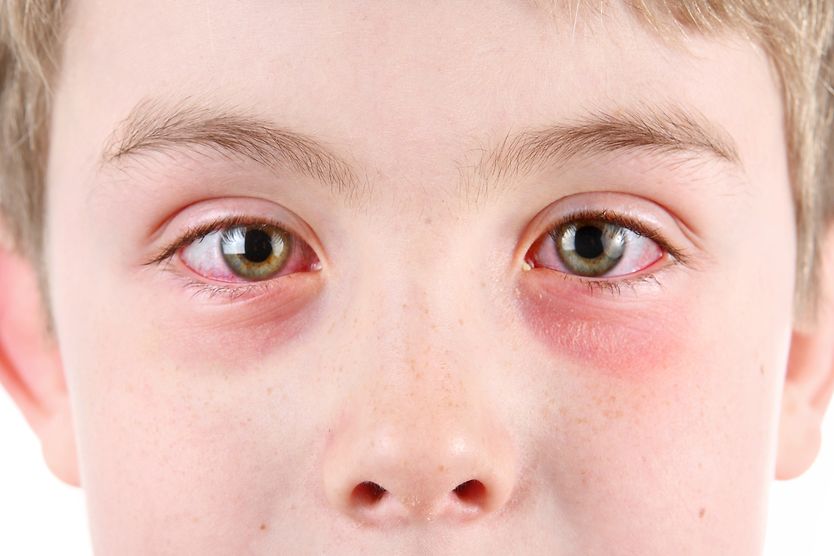
Types of pink eye: Bacterial, viral and allergic conjunctivitis
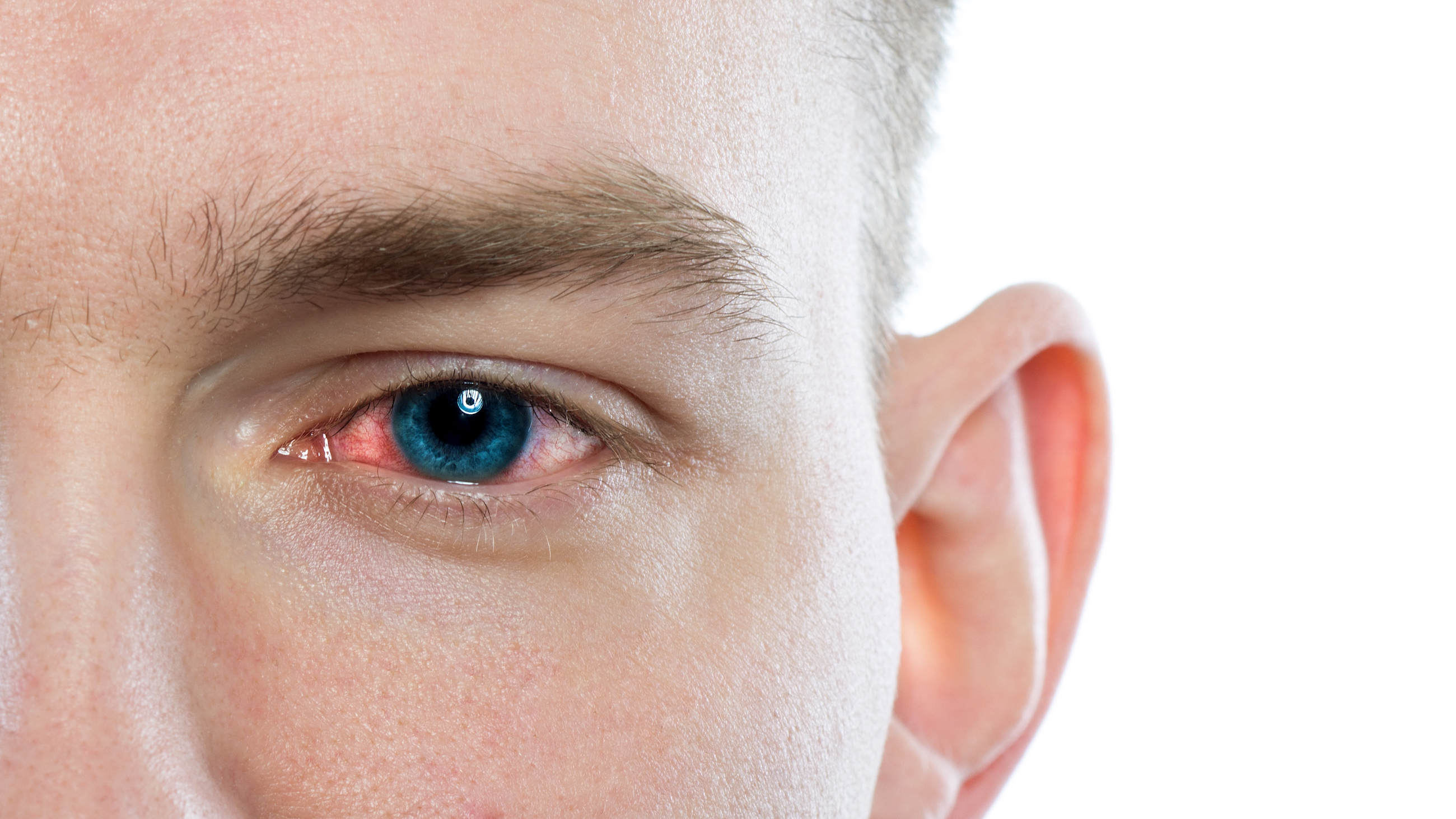

Types of pink eye
Conjunctivitis is an inflammation of the clear membrane that covers the white part of the eye and the inner eyelid. This membrane is called the conjunctiva.
There are many types of conjunctivitis (often called pink eye). Generally, they are grouped into three main types, depending on their causes. You may see the types listed as viral, bacterial, allergic or chemical.
The viral and bacterial types are both very contagious infections, so it makes sense to group them together as “infectious.” Allergic conjunctivitis is not contagious. However, it’s not the only non-contagious type. Many other types of eye irritants can cause a chemical conjunctivitis.
There are also several less-common subtypes within the larger groups. These include ophthalmia neonatorum, giant papillary conjunctivitis (GPC) and toxic conjunctivitis.Each has its own set of causes, risk factors and treatments.
Infectious conjunctivitis
The infectious types are those caused by viruses and bacteria. Usually, the term pink eye is used to indicate the viral type, but it sometimes refers to the bacterial type as well. When something is infectious, that means it’s caused by a germ that can make you sick in some way. However, not all infectious germs are contagious. Viral and bacterial pink eye are both infectious and very contagious.
Viral conjunctivitis
This is the most common type of pink eye. Since it is caused by a virus, usually an adenovirus, it is extremely contagious. It can spread through respiratory droplets (from coughs and sneezes) or by touching your eye before washing your hands. Swimming pools can harbor the viruses that cause pink eye, and so can personal items like towels and pillowcases. It can also develop along with a cold, flu or other respiratory infection caused by a virus.
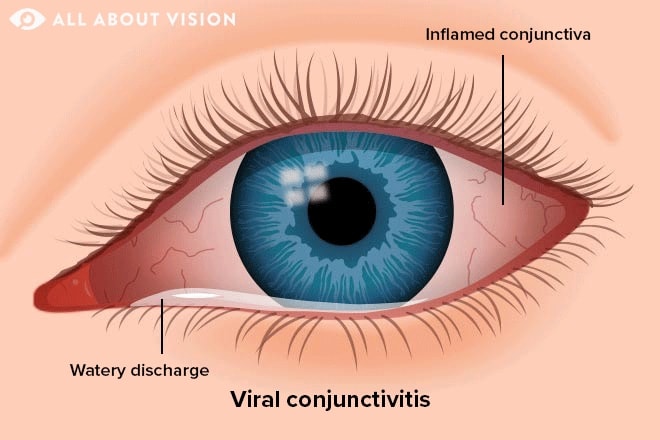
Adenoviruses are extremely common, but less-common viruses can also cause viral pink eye. For example, herpes viruses can cause a more serious form of pink eye. Molluscum contagiosum (a poxvirus infection) can cause chronic pink eye if it enters the eyes. And, in rare cases, the coronavirus responsible for COVID-19 can also cause viral pink eye.
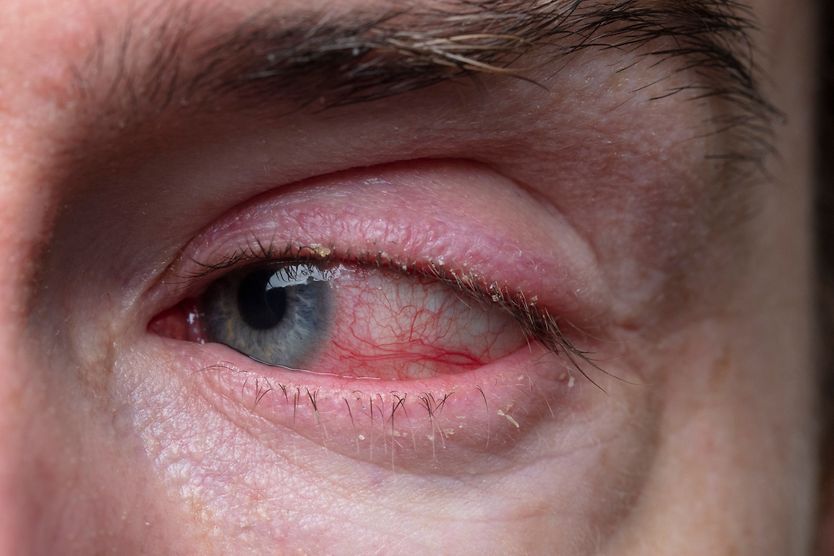
The viral form usually starts in one eye (unilateral) and then spreads to both (bilateral). Common signs and symptoms include burning or itchy, red eyes with clear, watery discharge.
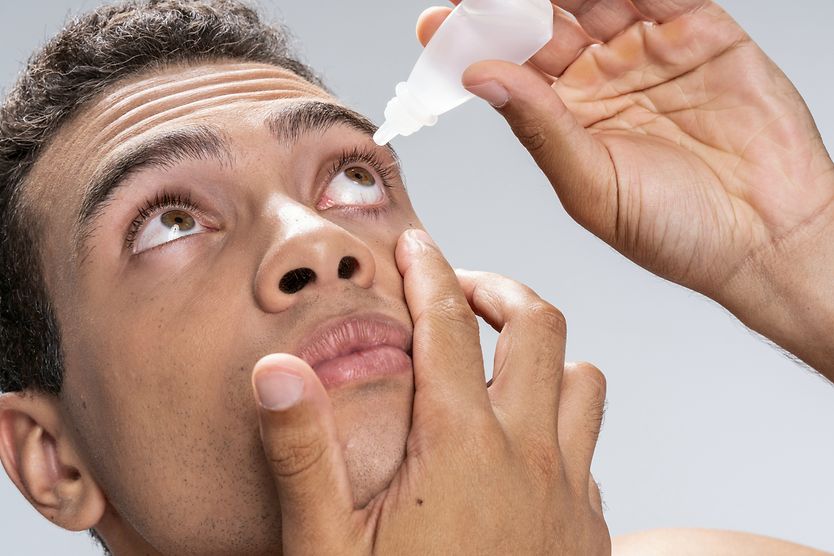
Since antibiotics aren't effective against viruses, there is no cure for viral pink eye. However, it usually goes away by itself after a short time. Your eye doctor may prescribe other medicated eye drops to help you feel more comfortable and decrease the risk of spreading the virus. You can also ask your eye doctor about safe home treatments for pink eye symptoms.
SEE RELATED: Gonococcal Conjunctivitis
Bacterial conjunctivitis
Bacterial pink eye is also highly contagious. It can be caused by many common types of bacteria, including Staphylococcus and Streptococcus, as well as those that cause ear and sinus infections and pneumonia. It spreads just like any other contagious infection: coughs and sneezes, unwashed hands and direct contact.
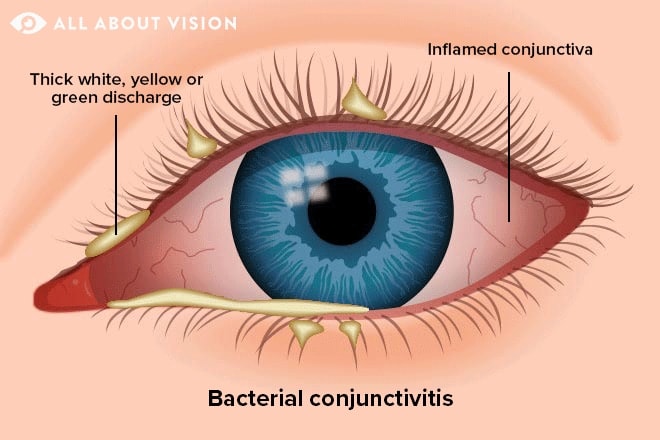
Unlike the watery discharge of the viral form, bacterial pink eye produces a thick white, yellow or green discharge from the affected eye(s).
Pink eye caused by bacteria usually clears up by itself within one to two weeks. However, you may need antibiotic eye drops if the condition worsens. Antibiotics are usually recommended if:
- The infection is severe.
- The patient has a weakened immune system.
- The infection does not start to clear up on its own within a week.
Sexually transmitted diseases like gonorrhea and chlamydia can also cause bacterial pink eye. This is less common but usually more severe.
SEE RELATED: Ocular syphilis and Symblepharon
Ophthalmia neonatorum
When newborns develop pink eye within their first month, this is called ophthalmia neonatorum. It's also known as neonatal conjunctivitis.
Sometimes, newborn babies’ eyes become inflamed due to irritation or blocked tear ducts. Newborns’ eyes can also be exposed to sexually transmitted diseases in the birth canal. A new mother with an active infection can transfer the infection to the newborn.
In rare cases, newborns may also develop this condition due to eye drops administered right after birth.
Newborns with symptoms of any eye infection should be seen by a doctor as soon as possible. An infection could cause serious damage to their eyes, and bacterial infections may require treatment with IV antibiotics.
SEE RELATED: Eye discharge in toddlers and babies
Allergic conjunctivitis
Eye allergies can lead to a non-contagious reaction called allergic conjunctivitis. Pollen, animal dander and dust mites are the common triggers.
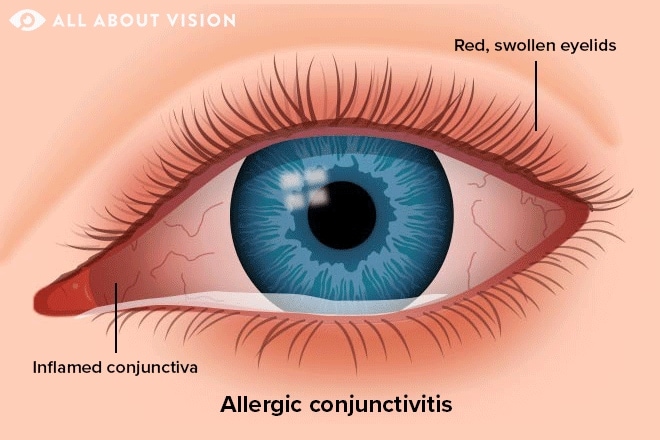
The main symptoms of allergic conjunctivitis are itchy and red eyes. Antihistamine eye drops, combination antihistamine with mast cell stabilizer eye drops or pills can help to ease these symptoms. Lubricating eye drops and cool compresses can also provide some comfort.
The condition can be seasonal or year-round, depending on your individual allergies. When possible, it's ideal to avoid your known allergens to help prevent or get rid of allergic conjunctivitis.
SEE RELATED: Symptoms of pink eye based on type of conjunctivitis
Giant papillary conjunctivitis (GPC)
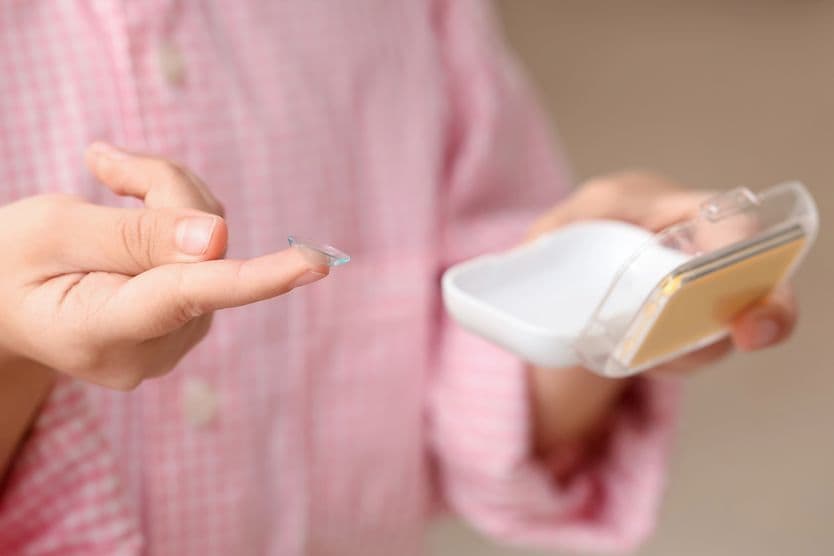
GPC most commonly affects people who wear soft contact lenses. It can also affect people with other types of long-term foreign objects in the eye, such as surgical sutures.
One tell-tale sign of giant papillary conjunctivitis is red bumps inside the upper eyelids. It can also cause contact lens intolerance, itching, burning and a heavy discharge. It usually affects both eyes.
People affected by GPC should stop wearing their contacts until the symptoms are gone. After this, eye doctors usually recommend switching to daily disposable contact lenses.
Chemical conjunctivitis
The chemicals in the things we’re exposed to can often act as irritants that lead to conjunctivitis. Like any irritant form of the condition, it is not contagious.
Mild chemical irritants can include cigarette smoke, car exhaust, foreign objects, perfumes and even cosmetics. For example, many people experience stinging eyes after applying sunscreen. Contact lenses, chlorinated water and smoke can also cause irritation.
Symptoms of chemical conjunctivitis can be more severe including eye pain, extreme redness, vision changes and swelling around the eyes.
This form of the condition is not contagious.
When to call your eye care professional
It's important to visit your eye doctor any time you have eye pain, extreme redness or vision changes. It's also critical to have newborns examined at the first sign of an eye infection to prevent long-term eye damage or vision loss.
For older children and adults, many cases of pink eye usually will not require medical treatment. However, you should call your eye doctor if the symptoms get worse or don't start to improve.
Some types of conjunctivitis can become serious without treatment. There are also many other kinds of eye infections that look almost identical to pink eye.
An eye doctor can tell you if your symptoms are from "pink eye" or another condition. If you do have pink eye, they may prescribe antibiotics, if necessary, or tell you how to ease your symptoms at home. They may also be able to prescribe other medications that can help shorten the length of your symptoms.
READ NEXT: Eye allergies vs. pink eye: What’s the difference?