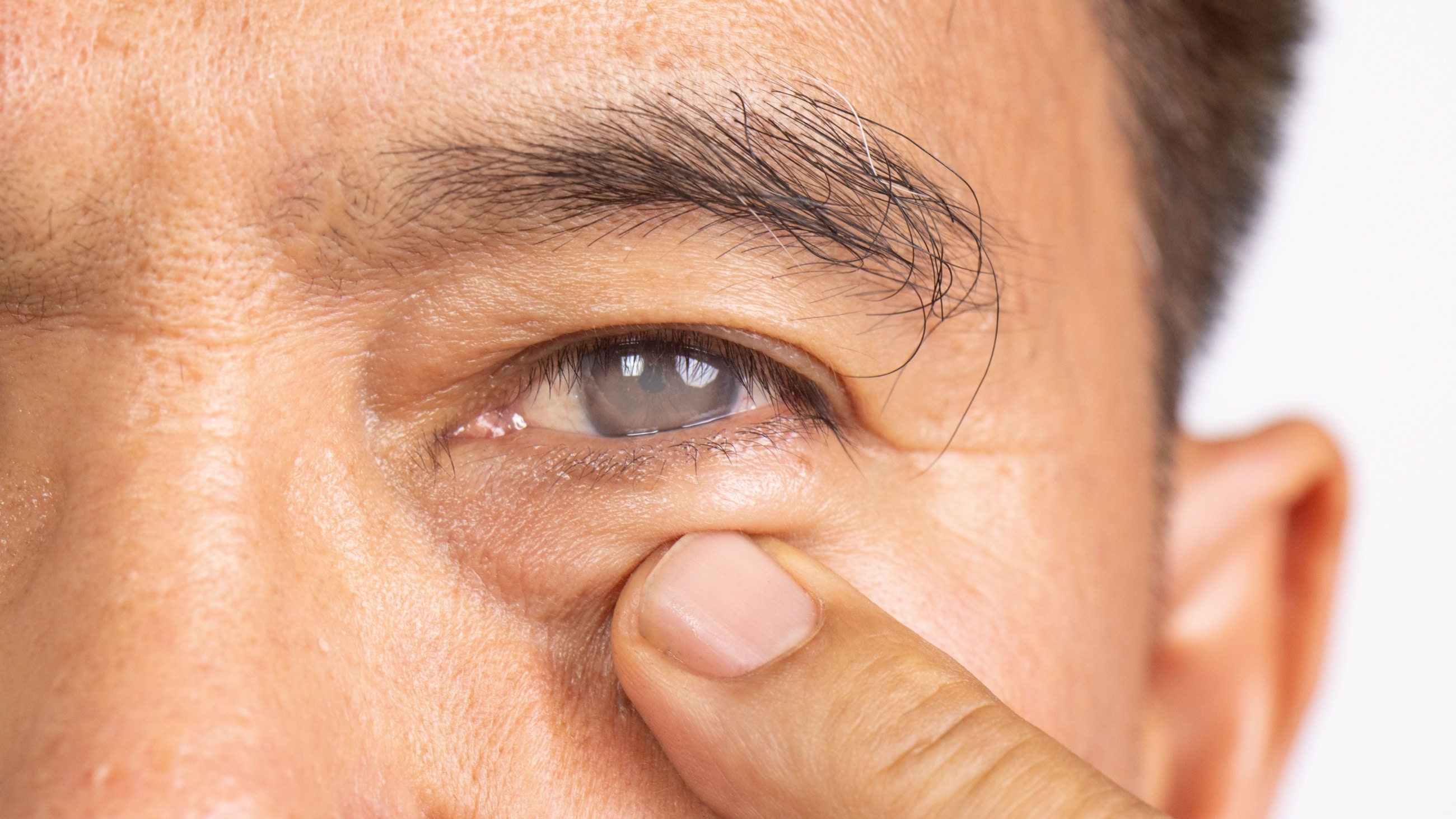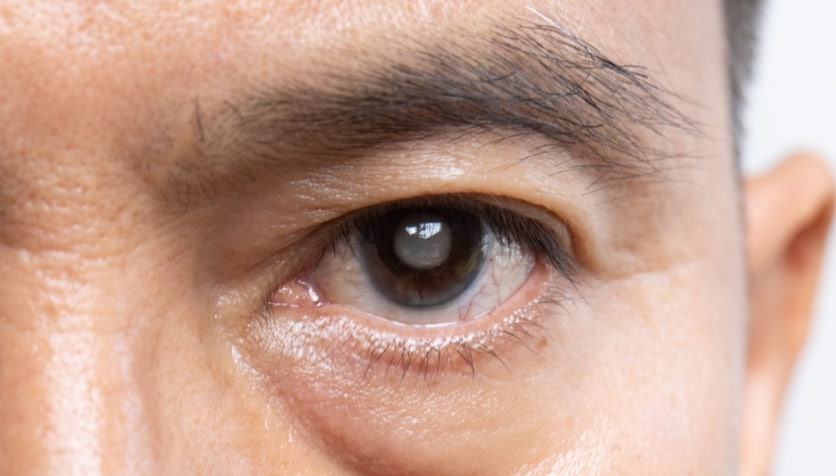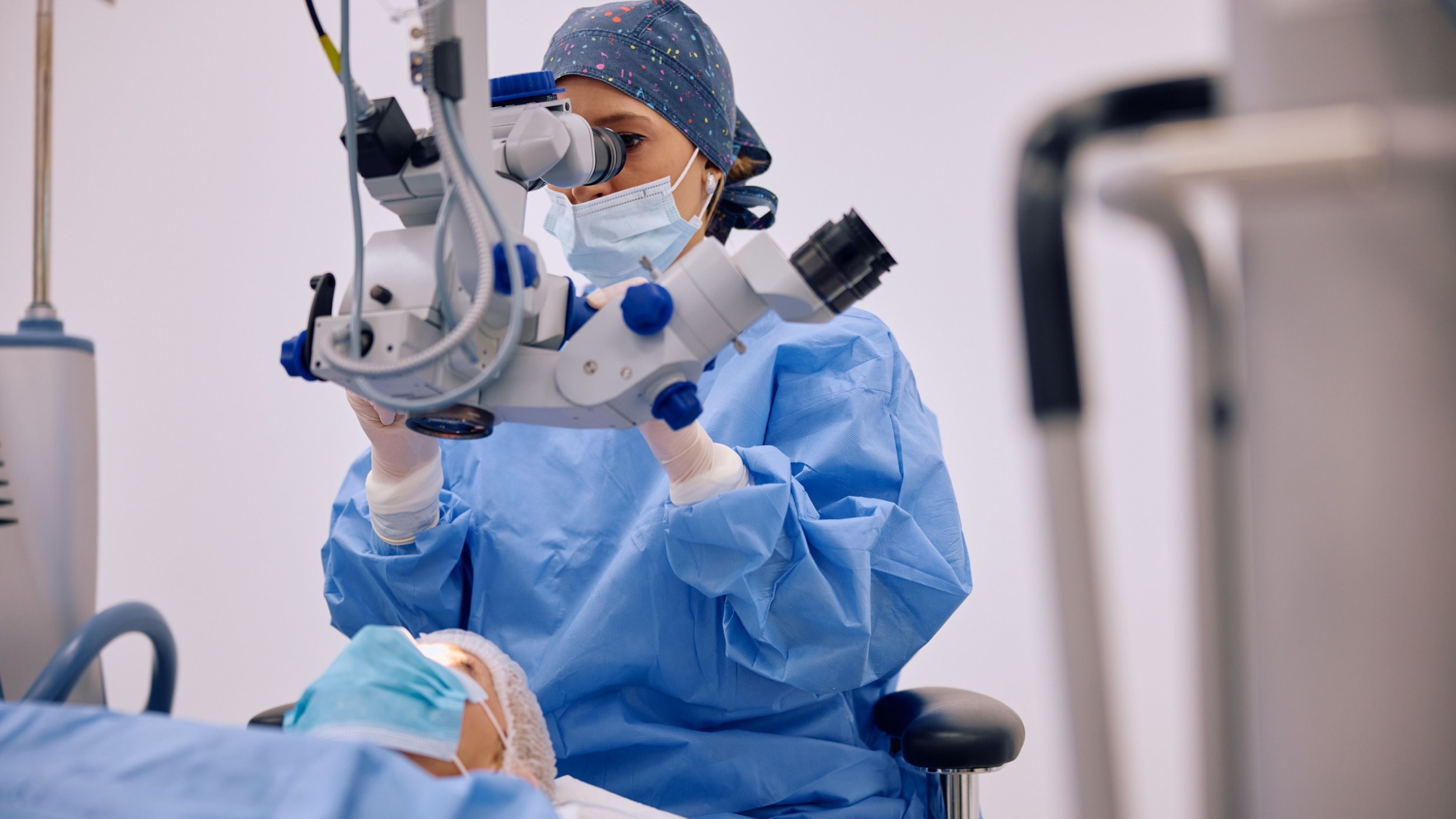
A congenital cataract is a clouding of the eye's natural lens that is present at birth.
Depending on the density and location of the opacification, congenital cataracts may need to be removed by cataract surgery while the child is still an infant to enable normal vision development and prevent amblyopia and even blindness.
Some congenital cataracts, however, affect only a small part of the lens of the eye and do not interfere with vision significantly enough to warrant surgery.
Does my child need cataract surgery?
Opinions vary about when surgery should be performed if a child has congenital cataracts.
Some experts say the optimal time to intervene and remove a visually significant congenital cataracts is between the ages of 6 weeks and 3 months.

Congenital cataracts can be dense, milky white opacities in the lens of an infant's eye(s) that prevent normal visual development if not removed.
If your baby has a congenital cataract, discuss any concerns you have about timing of cataract surgery with your eye surgeon.
Once the cataract is removed, it is absolutely vital that your child's eye be corrected with a surgically implanted intraocular lens (IOL), contact lens or eyeglasses. Without vision correction following cataract surgery, the eye will have poor vision, and normal infant vision development will be impeded.
Opinions also vary about whether an artificial lens should be surgically inserted in a baby's eye following cataract surgery because of concerns that normal growth and development of the eye might be impacted. An IOL may also need to be removed and exchanged as your child's grow because of possible vision changes.
In some cases, contact lenses fitted on the eye's surface (cornea) may be used to help restore vision after the natural lens is removed during cataract surgery. Also, eyeglasses may be prescribed to aid vision in lieu of an inserted artificial lens or contact lens.
If the eye surgeon recommends contact lenses after congenital cataract surgery, typically extended wear contacts will be prescribed to simplify contact lens care and handling.
You will receive training from your eye doctor or a member of his or her staff on how to apply and remove your child's contacts. Often, this can be done while your infant or very young child is sleeping.
Congenital cataracts: causes
Congenital cataracts can occur in newborn babies for many reasons, including inherited tendencies, infection, metabolic problems, diabetes, trauma, inflammation or drug reactions.
As an example, tetracycline antibiotics used to treat infections in pregnant women have been shown to cause cataracts in newborn babies.
Congenital cataracts also can occur when, during pregnancy, the mother develops infections such as measles or rubella (the most common cause), rubeola, chicken pox, cytomegalovirus, herpes simplex, herpes zoster, poliomyelitis, influenza, Epstein-Barr virus, syphilis and toxoplasmosis.
Older babies and children also can be diagnosed with cataracts, known as pediatric cataracts, for similar reasons. However, trauma associated with events such as a blow to the eye is the underlying cause in 40 percent of cases of cataracts in older children.
Also, some pediatric cataracts may actually be congenital cataracts that simply weren't identified earlier because the child did not have his or her first eye exam until they were older.
See Also: Common types of vision loss in kids
Congenital cataracts: types
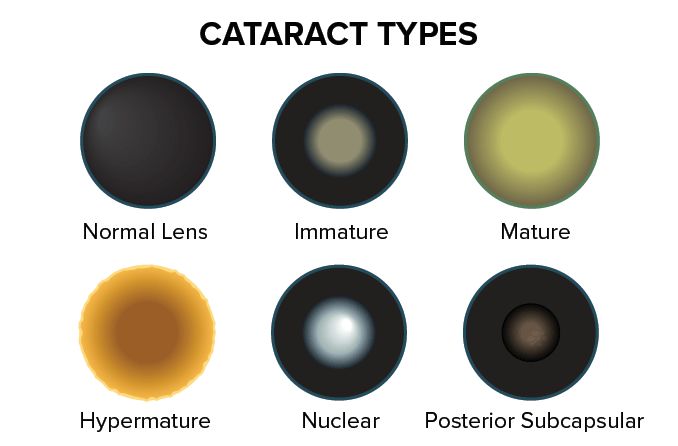
The following are different types of congenital cataracts:
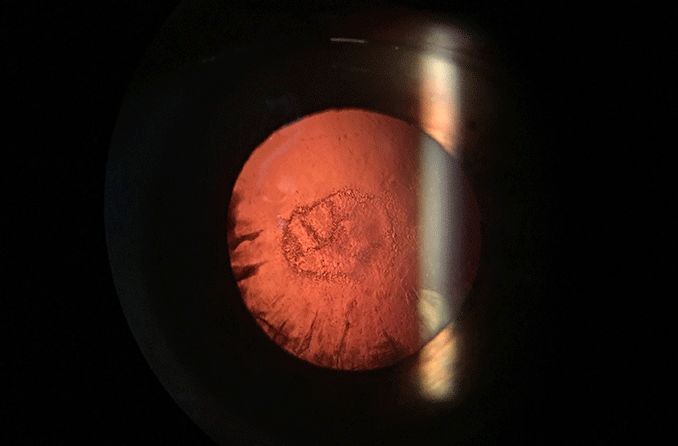
Anterior polar cataracts are well defined, located in the front part of the eye's lens. They often are associated with inherited traits. Many anterior polar cataracts are small and do not require surgical intervention.
Posterior polar cataracts also are well defined opacifications, but appear in the back portion of the eye's lens.
Nuclear cataracts appear in the central part of the lens and are a very common form of congenital cataracts.
Cerulean cataracts usually are found in both eyes of infants and are distinguished by small, bluish dots in the lens. Typically, this type of cataract does not cause vision problems. Cerulean cataracts appear to be associated with inherited tendencies.
SEE RELATED: Axenfeld-Rieger Syndrome
Congenital cataracts and other vision problems
Without early intervention, congenital cataracts cause "lazy eye" or amblyopia. This condition then can lead to other eye problems such as nystagmus, strabismus and inability to fix a gaze upon objects.
Such problems can profoundly impact learning ability, personality and even appearance, ultimately affecting a child's entire life. For these and many other reasons, make sure your child has a routine eye exam at age 6 months, again at age three and once again before starting school.
Treatment of congenital cataracts
The only treatment for congenital cataracts is cataract surgery. If your child has congenital cataracts that are significant enough to require treatment, seek the services of a cataract surgeon who specializes in congenital cataract surgery for children.
The only way to know for sure if your young child's eyes are healthy and developing normally is to schedule an early childhood eye exam when your child is 6 months of age. Click here to find an eye doctor near you who performs eye exams for children.
READ NEXT: Small eye syndrome (microphthalmia)