Vitamin E: Benefits, Foods and Side Effects
On this page
What is vitamin E?
Vitamin E benefits
Vitamin E foods
Possible side effects of vitamin E supplements
On this page
What is vitamin E?
Vitamin E benefits
Vitamin E foods
Possible side effects of vitamin E supplements
What is vitamin E?
Vitamin E is an antioxidant that might help protect your cells from harmful molecules called free radicals. A buildup of free radicals may damage your cells and increase your risk of getting certain diseases.
Vitamin E includes eight different substances, but your body only uses one of them: alpha-tocopherol.
There are natural and synthetic (made by humans) versions of vitamin E. The natural forms are generally more beneficial to your body and eyes than their alternatives.
Natural forms of vitamin E have a “d-” before their names, while human-made vitamin E carries a “dl-” prefix. The substance dl-alpha-tocopherol, for example, is a synthetic version of naturally occurring d-alpha-tocopherol.
Vitamin E benefits
The Vitamin E in your diet helps your body in several ways:
- Boosts your immune system
- Keeps blood vessels open and reduces your risk of clots
- Helps prevent free radicals from damaging your cells and causing disease
While vitamin E is very important for your body, studies that focused on consuming high levels of vitamin E haven’t been convincing.
This may be because the vast majority of Americans have normal vitamin E levels in their blood, even when they don’t get enough in their diet. Adding more vitamin E on top of an already normal level doesn’t seem to offer much benefit — at least with the information available at this time.
The average American diet doesn’t include enough vitamin E. In one set of data, more than 96% of American women and 89% of American men aged 19 and older didn't get enough alpha-tocopherol (the important form of vitamin E) in their diets.
However, that data also showed that only 0.1% of the same Americans had a vitamin E deficiency in their bodies.
That means that 99.9% of the same people had normal vitamin E levels, even though they weren’t getting enough vitamin E in their diets.
Eye and vision benefits of vitamin E
Research shows that vitamin E may be the most beneficial for the prevention of age-related macular degeneration (AMD), especially among people who are already showing early signs of the disease.
In the Age-Related Eye Disease Study (AREDS) involving nearly 5,000 people, participants with early AMD had a 25% lower risk of developing advanced stages of the disease when taking a daily nutritional supplement containing vitamin E.
In addition to vitamin E, the AREDS supplement also included high levels of:
- Vitamin A (as beta-carotene)
- Vitamin C
- Zinc
Based on this study and others, eye doctors often recommend that patients take a daily multivitamin that contains up to 400 IU of vitamin E, in addition to other antioxidants.
Over-the-counter supplements are available that combine the AREDS vitamins and minerals with other ingredients that could help slow macular degeneration. These products will be labeled as “AREDS” or “AREDS2” supplements.
Some studies suggest that vitamin E may also help prevent cataracts, but the current data isn’t as clear.
- In one large study, the five-year risk for cataracts was 60% lower among people who took any supplement containing vitamin E or vitamin C for more than 10 years, compared to the risk for those who didn’t take them at all.
- A study of female health professionals found that women whose diets (including supplements) had the highest levels of vitamin E and lutein had a lower relative risk of cataracts than women who didn’t consume very much vitamin E and lutein.
While those studies are promising, a third study of older men showed that vitamin E supplements did not help prevent cataracts.
More research is needed to understand the potential eye benefits of vitamin E, especially in relation to cataracts.
Vitamin E foods
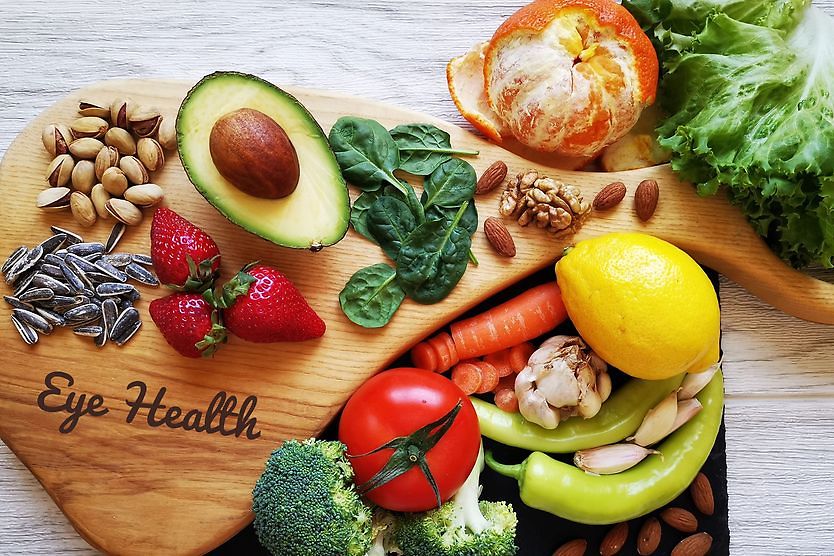
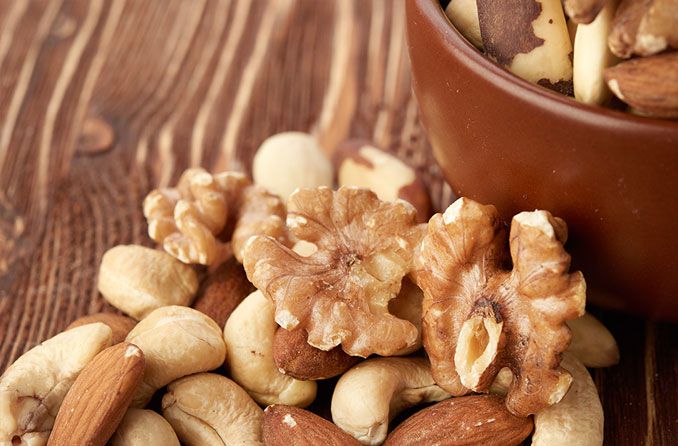
Nuts and seeds are tasty snacks, but they can also be excellent sources of vitamin E.
The recommended daily amount of vitamin E for ages 14 or older is 15 mg (22.5 IU).
For women who are breastfeeding, the recommended daily amount goes up to 19 mg (28.5 IU).
If you smoke, you may need more vitamin E to counteract extra free radicals that come from cigarettes. The same is true for vitamins A and C.
Shopping for specific foods can help you up your intake of this antioxidant. High vitamin E foods include:
| Cereal (Whole Grain Total brand) | 3/4 cup | 20.2 |
| Sunflower seeds | 1/4 cup | 12.5 |
| Almonds | 1 ounce (24 nuts) | 11.1 |
| Spinach, frozen (boiled; drained) | 1 cup | 10.1 |
| Hazelnuts | 1 ounce | 6.4 |
| Mixed nuts (with peanuts) | 1 ounce | 4.6 |
| Avocado (California) | 1 medium | 4.0 |
| Peanuts (dry roasted) | 1 ounce (28 nuts) | 3.3 |
| Source: USDA National Nutrient Database for Standard Reference, Release 22 |
Possible side effects of vitamin E supplements
Because vitamin E is a fat-soluble vitamin, it can accumulate in the body. This can cause unwanted side effects in high quantities.
For safety purposes, the Institute of Medicine has set the daily limit of natural vitamin E (d-alpha-tocopherol) at 1,500 IU for adults.
But this number may be significantly lower for certain people.
In a study, men aged 50 or older who were taking 400 IU of vitamin E daily showed an increased risk of developing prostate cancer, compared with healthy men of the same age who weren’t taking the supplement.
If ingested in high enough doses, vitamin E can also interfere with your body’s blood-clotting ability, posing a risk to people taking blood thinners for certain health conditions.
Before you take vitamin E supplements, or any other supplements, be sure to discuss the risks and benefits with your eye doctor and general physician.
READ MORE: The importance of omega-3s in your diet
On this page:
What is vitamin E?
Vitamin E benefits
Vitamin E foods
Possible side effects of vitamin E supplements
On this page:
What is vitamin E?
Vitamin E benefits
Vitamin E foods
Possible side effects of vitamin E supplements