Reading often is one of the most difficult challenges for visually impaired people. Many people with low vision give up reading altogether, because what used to be an enjoyable, effortless activity now requires thought, preparation and a lot of adjustment. In short, reading is just no fun anymore.
Low vision devices can help
Many low vision devices can make reading easier and more rewarding for people with macular degeneration, retinitis pigmentosa, tunnel vision and other low vision conditions.
Here are some examples of low vision aids for reading:
Magnifiers. Hand-held magnifiers are among the most affordable low vision devices for reading, and some are illuminated to make print even more visible. Other magnifiers that are mounted on height-adjustable stands or supported by a band that hangs from your neck also are available.
Reading glasses. Special high-power reading glasses can help a person with low vision read small print. These are available in single vision designs or as bifocals. Though these stronger-than-normal reading glasses take some getting used to (you have to position your face closer to reading material), a low vision specialist can demonstrate the best way to use them.
Reading telescopes. These low vision devices often are mounted on the lenses of eyeglasses and provide high magnification while allowing the wearer to view reading material from a normal distance. Again, some training is needed to use these devices properly, but reading telescopes often are very helpful. Hand-held versions also are available.
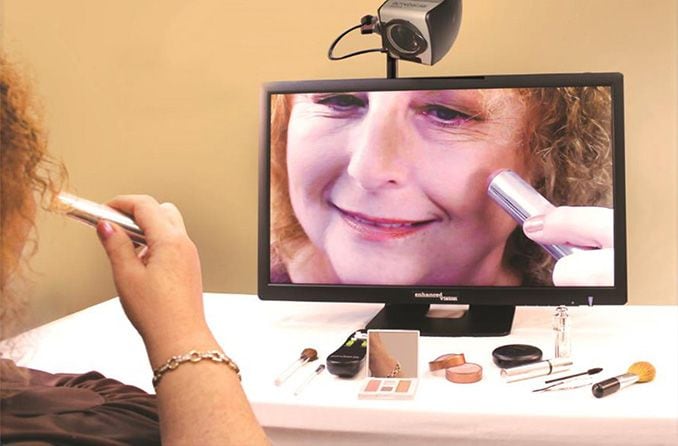
Video magnifiers. These desktop devices include a camera lens that displays highly magnified images on a video monitor or computer screen. You can sit as close to the screen as necessary and adjust the magnification, brightness, contrast and color of the display to your liking.
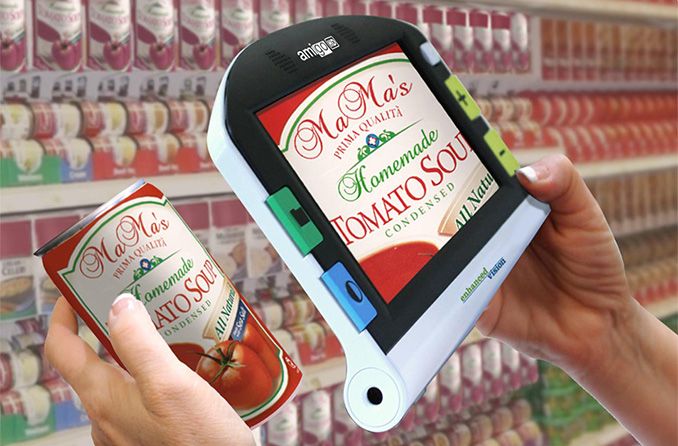
Portable electronic magnifiers. Also available are portable electronic devices that resemble an iPad or other lightweight tablet computer. You can hold this device in front of reading material and a magnified view appears on the LED screen.
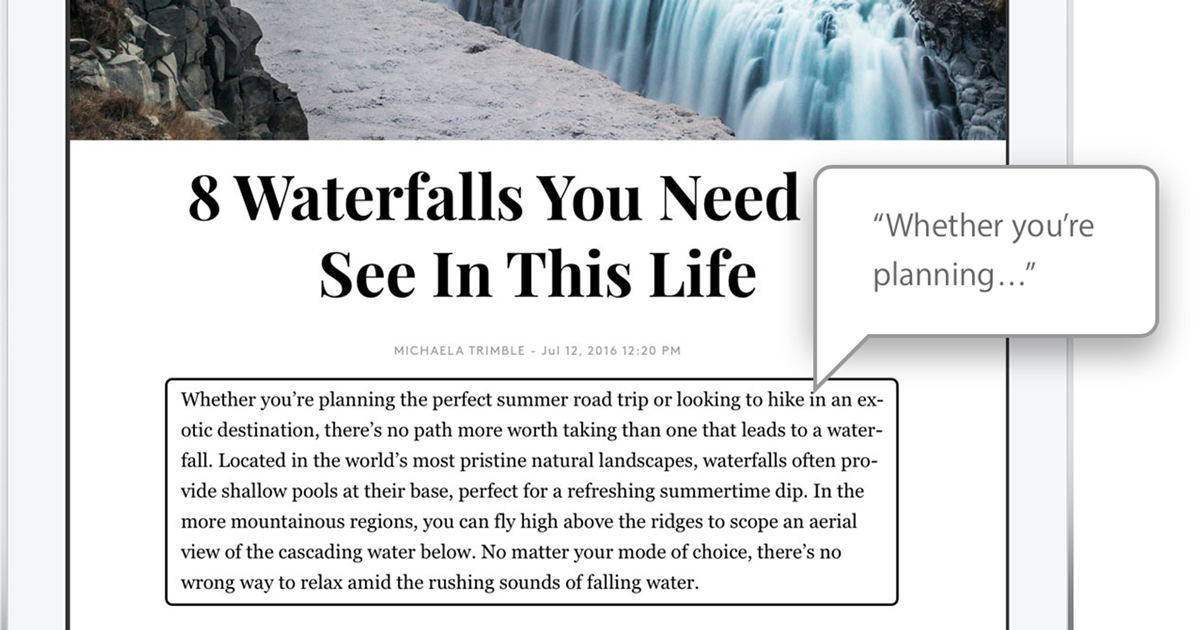
Text to voice devices. There are a range of devices available, like the OrCam Read that can recognize text from books, phone screens, computer monitors, and more and can convert that text to computer voice.
Some low vision devices for reading require a prescription from your eye doctor because they are custom-made for your particular needs. It's wise to consult your eye care professional before buying even nonprescription magnifiers to learn which low vision devices will work best for you, based on your activities and degree of vision impairment.
Good lighting is essential
For many people with low vision, increasing the amount and type of ambient light can greatly improve reading ability. If you know someone who is visually impaired, check the adequacy of the lighting in their home — particularly in their favorite reading areas.
Use the brightest light bulbs recommended for light fixtures. Purchase lamps with three-way sockets that allow the use of bulbs that can be increased to 150 watts for reading.
Natural sunlight is the best lighting for reading. Arrange furniture so the person with low vision can sit near a window for daytime reading. For artificial lighting, purchase "full-spectrum" light bulbs. These bulbs emit light that more closely mimics natural sunlight than regular incandescent bulbs.
Avoid harsh fluorescent lighting, which can cause glare — especially for anyone with low vision. Replace fluorescent desk lamps or kitchen lighting with halogen task lighting or full-spectrum bulbs for better comfort and visibility.
Non-optical, "adaptive" low vision aids
People who suddenly find themselves with low vision often are surprised at how essential good eyesight is — not only for reading, but just to get through everyday life.
For the visually impaired, something as simple as checking the time on their watch or being able to see the difference between a one-dollar bill and a ten-dollar bill can become a difficult chore.
In addition to low vision devices and good lighting, inexpensive non-optical adaptive aids can assist with routine daily activities. These devices include:
Large-print cookbooks
Large-numbered playing cards, clocks, telephones and watches
Electronic "talking" clocks, kitchen timers, thermometers, blood pressure meters and even pill bottles
Large felt-tip pens and wide-lined paper for writing notes
Wallets that separate different bill denominations into different pockets
Color-coded pill boxes
Voice-recording electronic organizers
Signature guides
Many of these items can be found at your local drugstore, discount store or bookstore. Your low vision specialist can recommend retail sources for non-optical adaptive aids.
READ MORE: Magnifying glasses